Compressor Case Study: From No Stop Check to a Completed Major Overhaul on an Atlas Copco GT063N4K1
An Inspection on a Machine With No Alarms Active
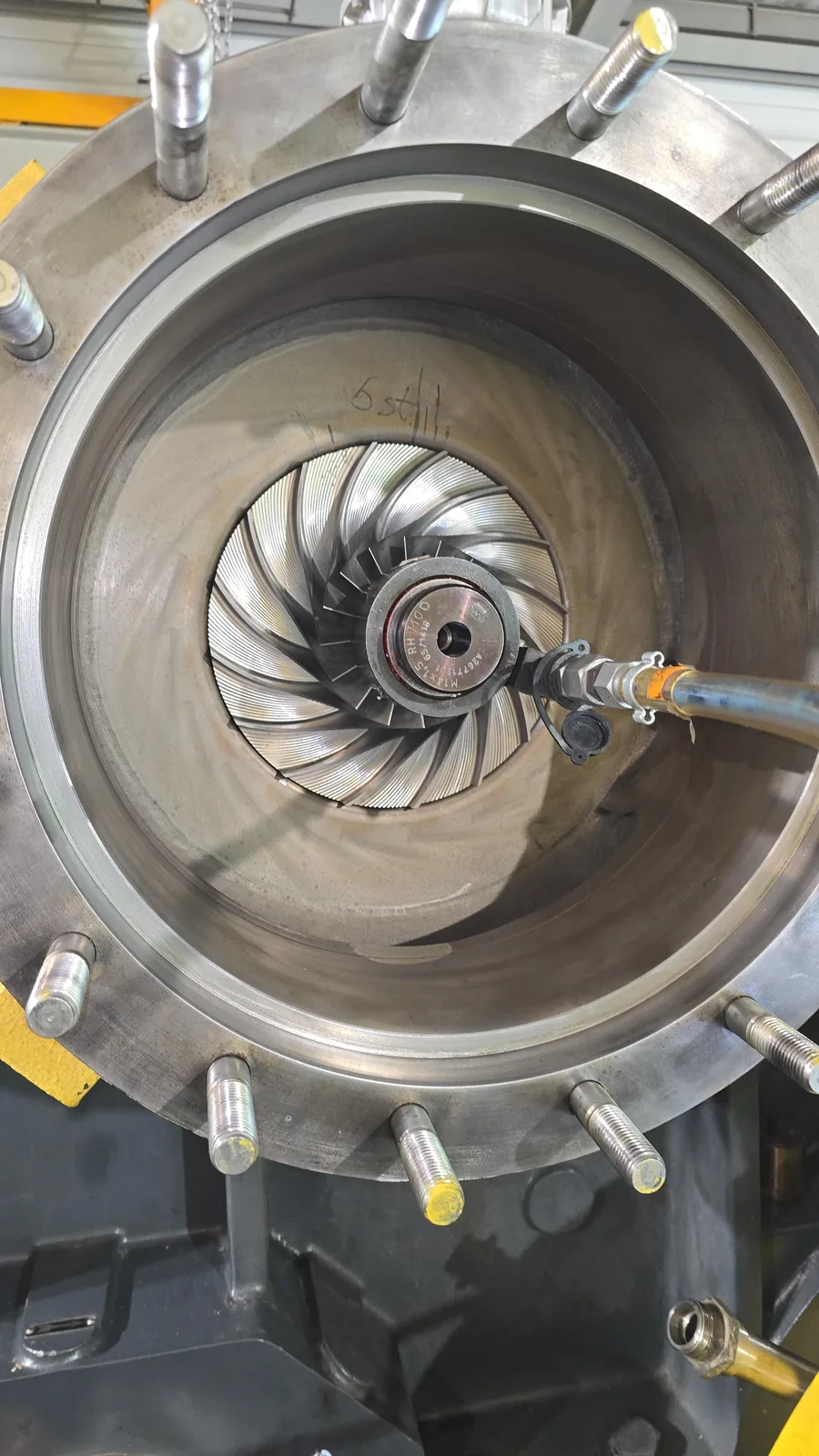
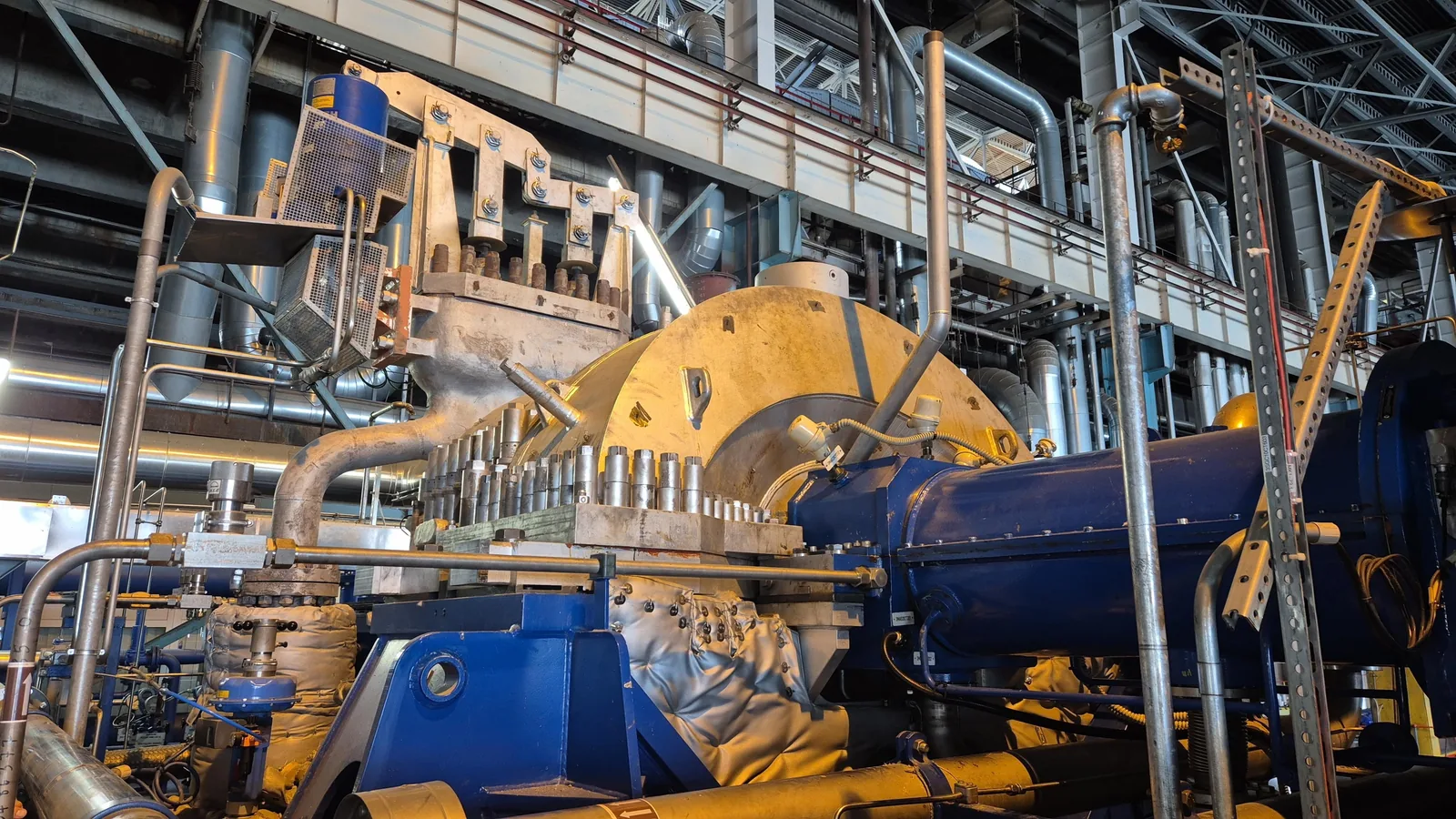
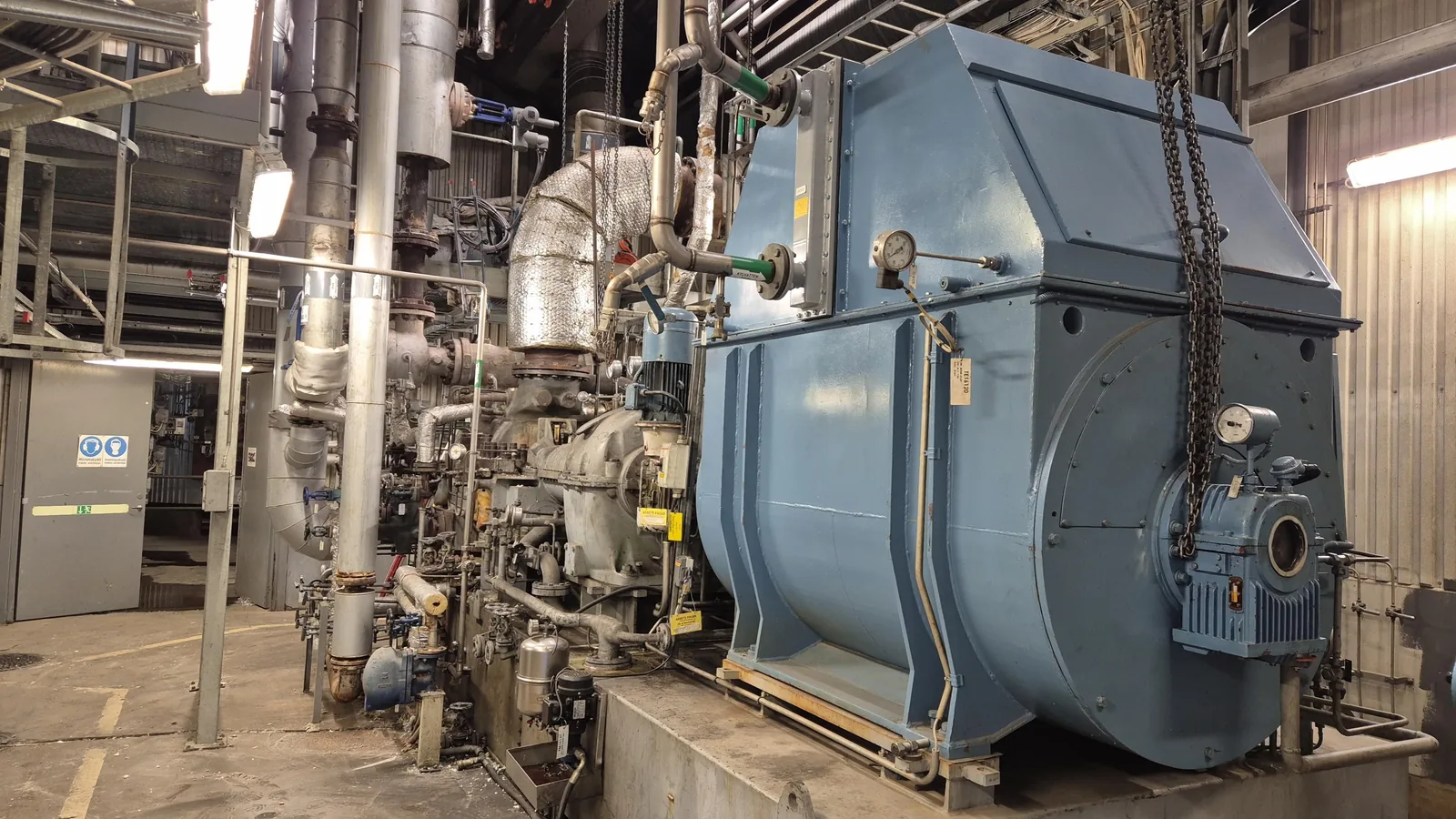
The machine is a combined feed gas and recycle integral geared compressor, an Atlas Copco GT063N4K1-GT032N2K2, in an air separation plant. Nothing was in alarm. The compressor was running, the plant was producing, and no maintenance action was outstanding.
The operator still asked Energetic Machinery for a No Stop Check, because the information on the machine's condition was fragmented. There was no recent inspection report on file, and the maintenance history could not be reconstructed from the documentation available on site.
A No Stop Check is a condition assessment carried out while the machine keeps running. It combines visual inspection, a review of the control system parameters and their history, vibration measurement and, where accessible, borescope and gearbox inspection through the hatches.
Below Alarm, Well Above Normal
Bearing temperatures on the control system read 105, 109, 102, 100, 107 and 92 °C for stages 1 to 6. The alarm limit is 115 °C and the trip limit 125 °C, so every value sat inside the permitted band and the control system had no reason to flag anything. Most bearings were nevertheless above 100 °C, the highest six degrees below alarm.
That is the situation a No Stop Check is designed for. An assessment that only compares live values against setpoints finds nothing here. An assessment that asks what normal looks like for this machine finds a compressor running with almost no thermal margin left.
The history mattered more than the values. The increase was not a gradual drift consistent with progressive wear. It was a step change that appeared after a plant shutdown in the preceding year, after which the temperatures settled at the new level and stayed there. Drift points to something wearing out. A step change points to something introduced or disturbed at a specific moment, and that moved the investigation away from the bearings and towards the systems around them.
What the Control System Was Not Showing
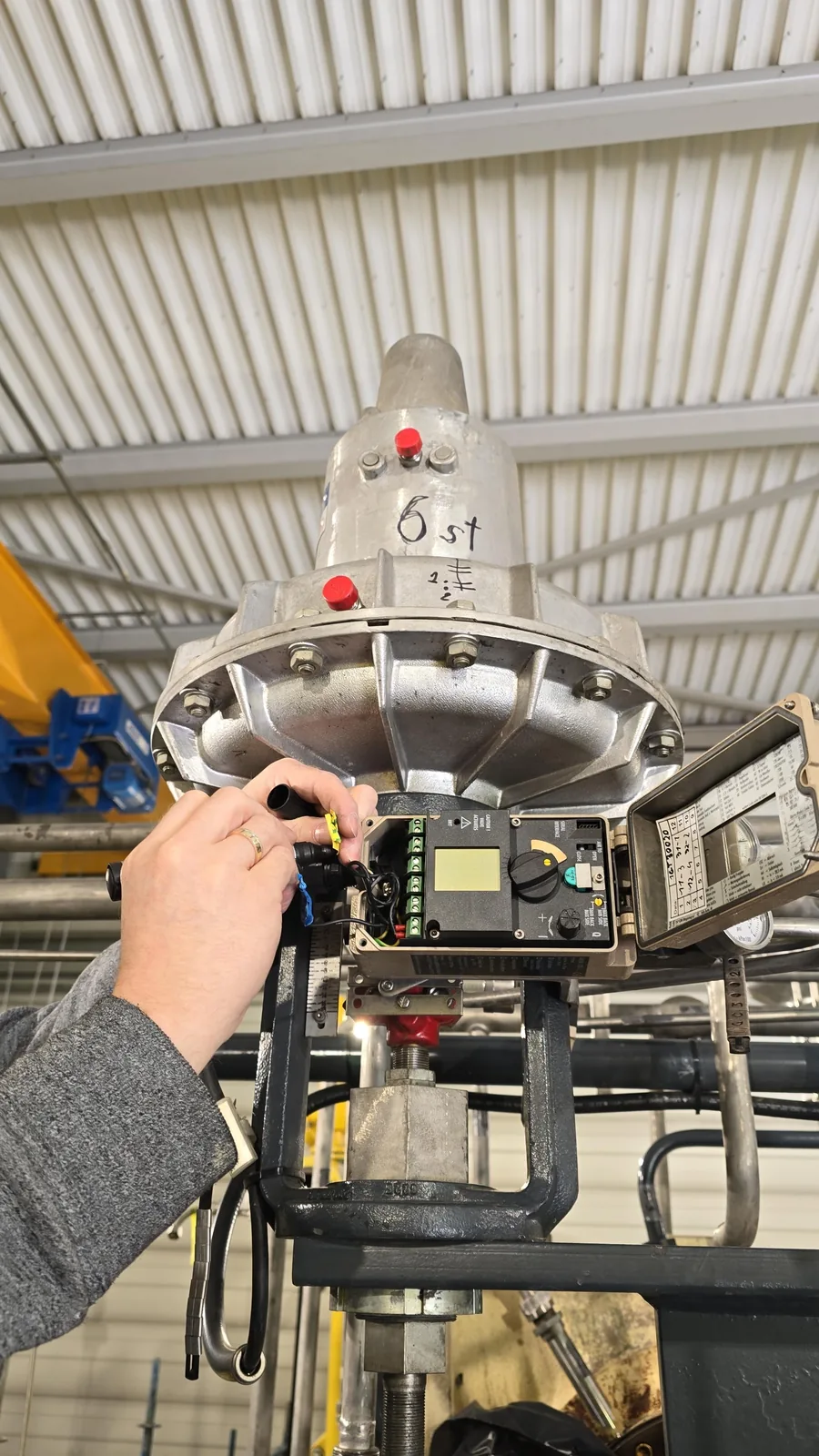
Rotor vibrations read as low. A spectrum measurement on the motor bearings showed an elevated peak at twice running speed, a classic indicator of an alignment problem. It was invisible on site because the control system filters the vibration signal at one times running speed, so the second order content never reaches the operator's screen.
Why Stage 5 and 6 Were Inspected First
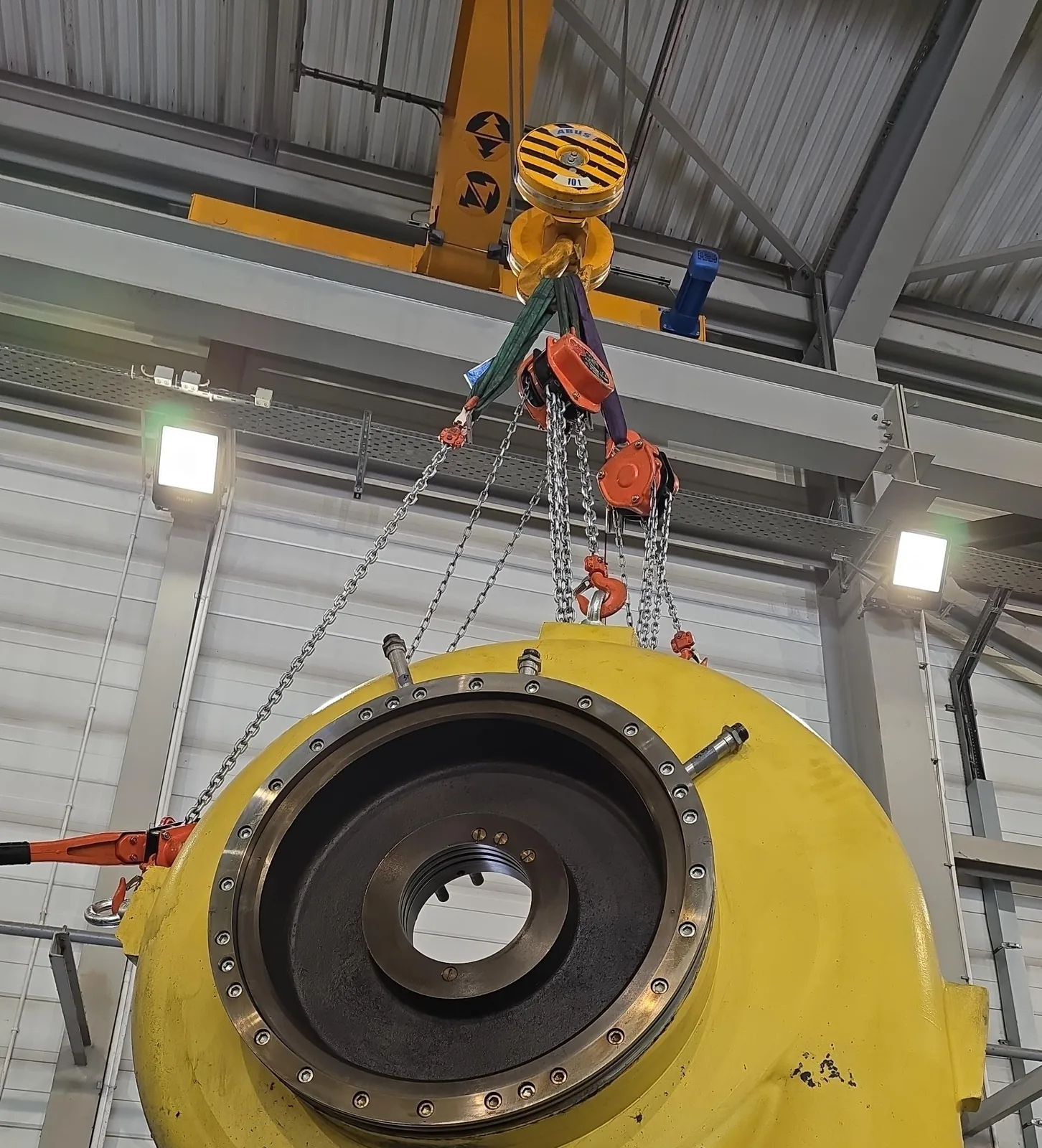
Energetic Machinery reported the measurements and findings and proposed a bearing inspection on stage 5 and 6 at the plant's next shutdown. Two reasons decided that, and neither was the temperature alone. Stage 5 and 6 carry the fastest spinning pinion, so a problem in the oil system shows there first and most severely. That rotor also sits at the top of the compressor and can be reached without disturbing the rest of the machine, which keeps the cost of the answer proportionate to an inspection that might find nothing. The operator approved the scope.
The Oil System Told the Real Story
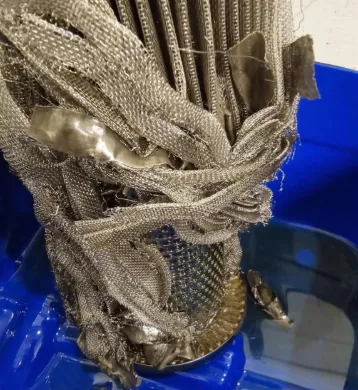
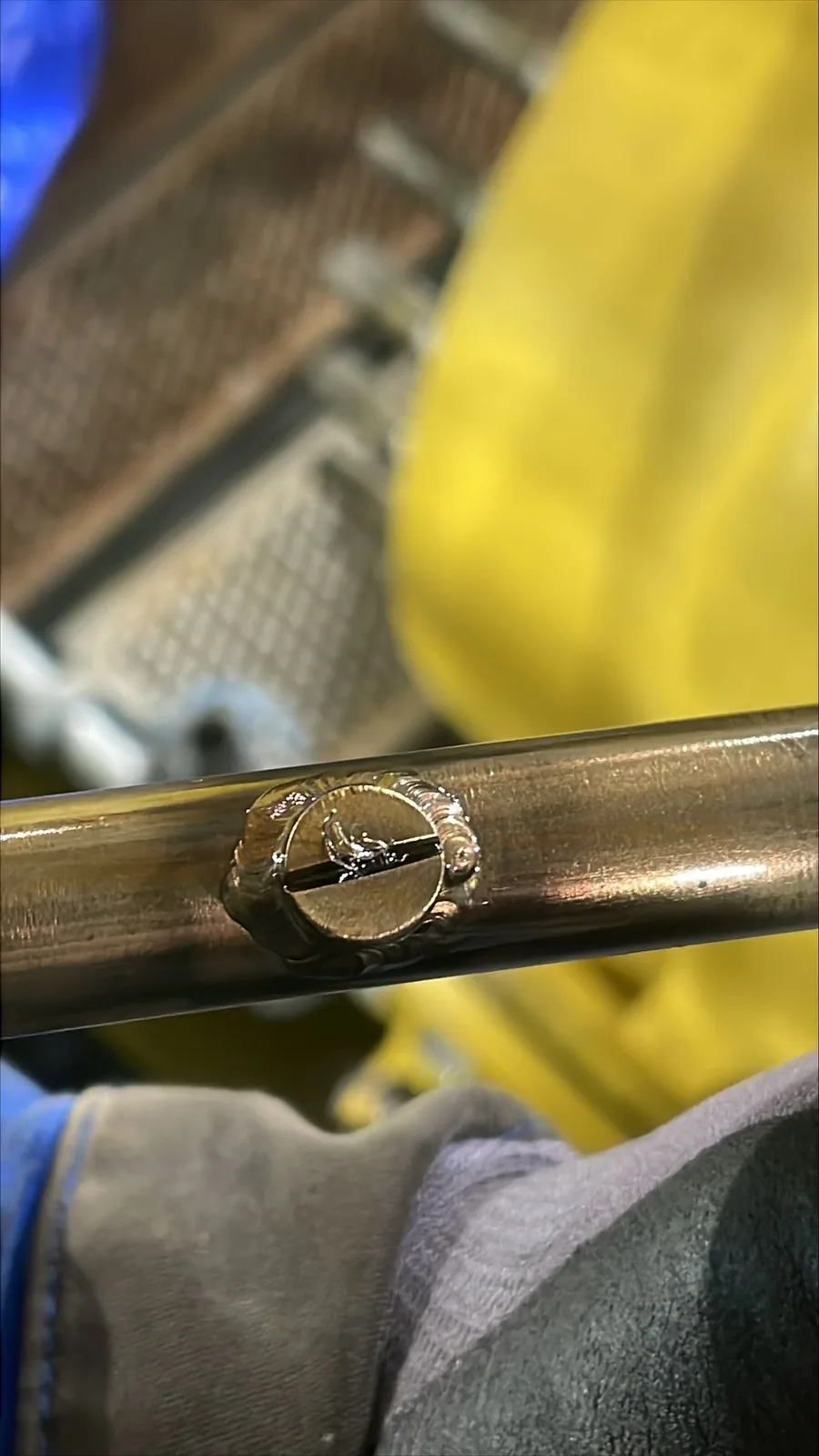
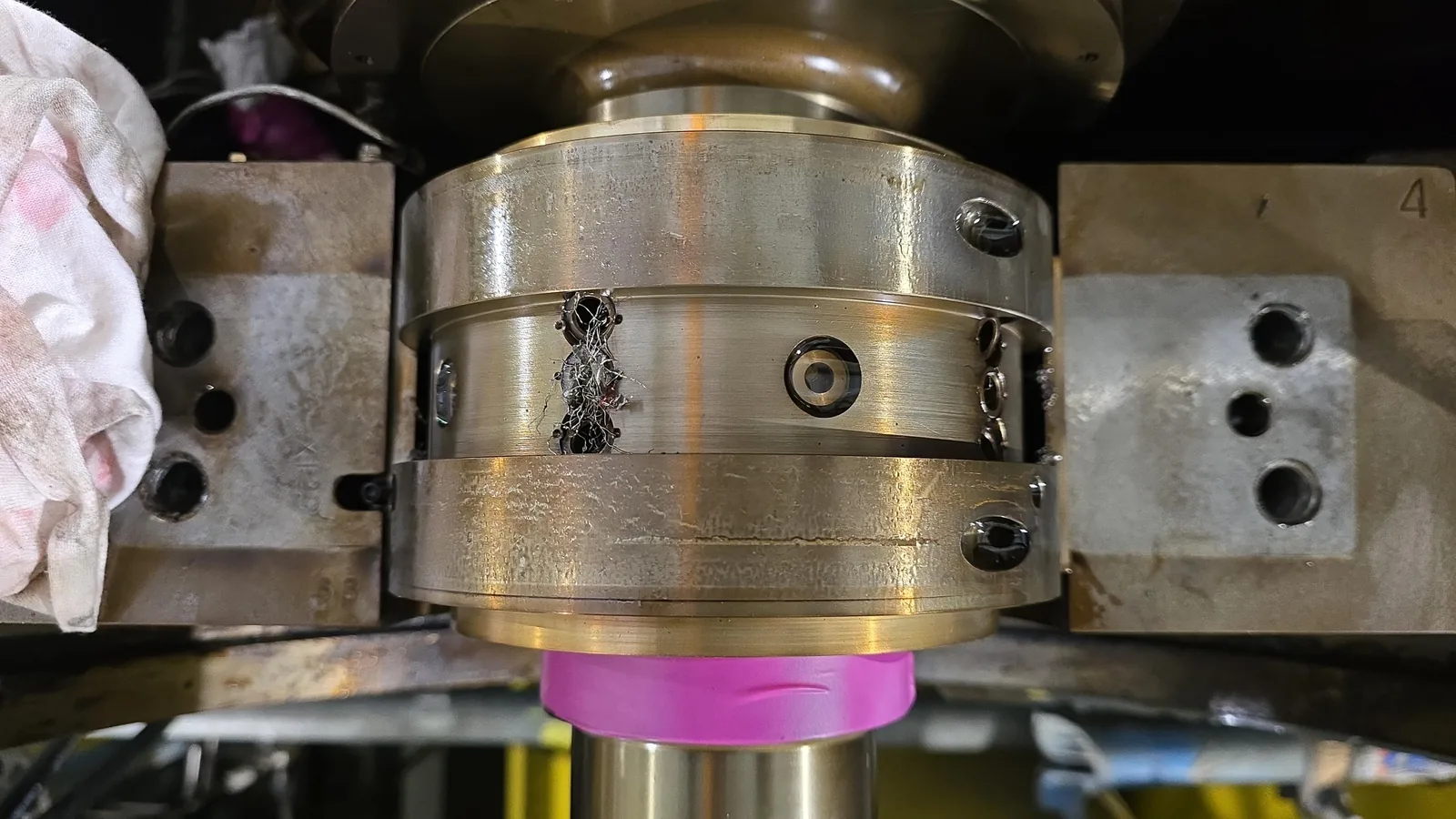
The oil nozzles feeding the bearings were partially clogged with fine metal fibres. Following that back to the oil filters gave the explanation. The filter element had ruptured, the mesh had come loose from its bottom fixation plate, and wire from the mesh had passed into the oil system and reached the bearings. One tilting pad was damaged by the wire that reached it, and bearings across the machine showed the same contamination.
The filter differential pressure had not warned anyone, and could not have. A filter that is clogging builds an increasing pressure drop across the element, which is what monitoring is meant to detect. A filter whose element has failed does the opposite. Oil passes straight through the breach, the expected pressure drop falls away, and the instrument reads as if the filter is clean while the oil system is being contaminated.
That closed the loop on the temperature history. A step change after a shutdown, nozzles progressively restricted, reduced oil flow to the bearings, and temperatures that settled roughly ten degrees below the alarm and stayed there.
From Inspection to Cleaning to Major Overhaul
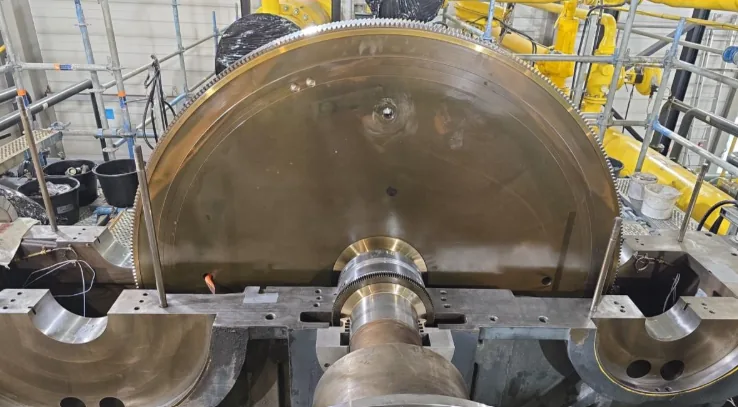
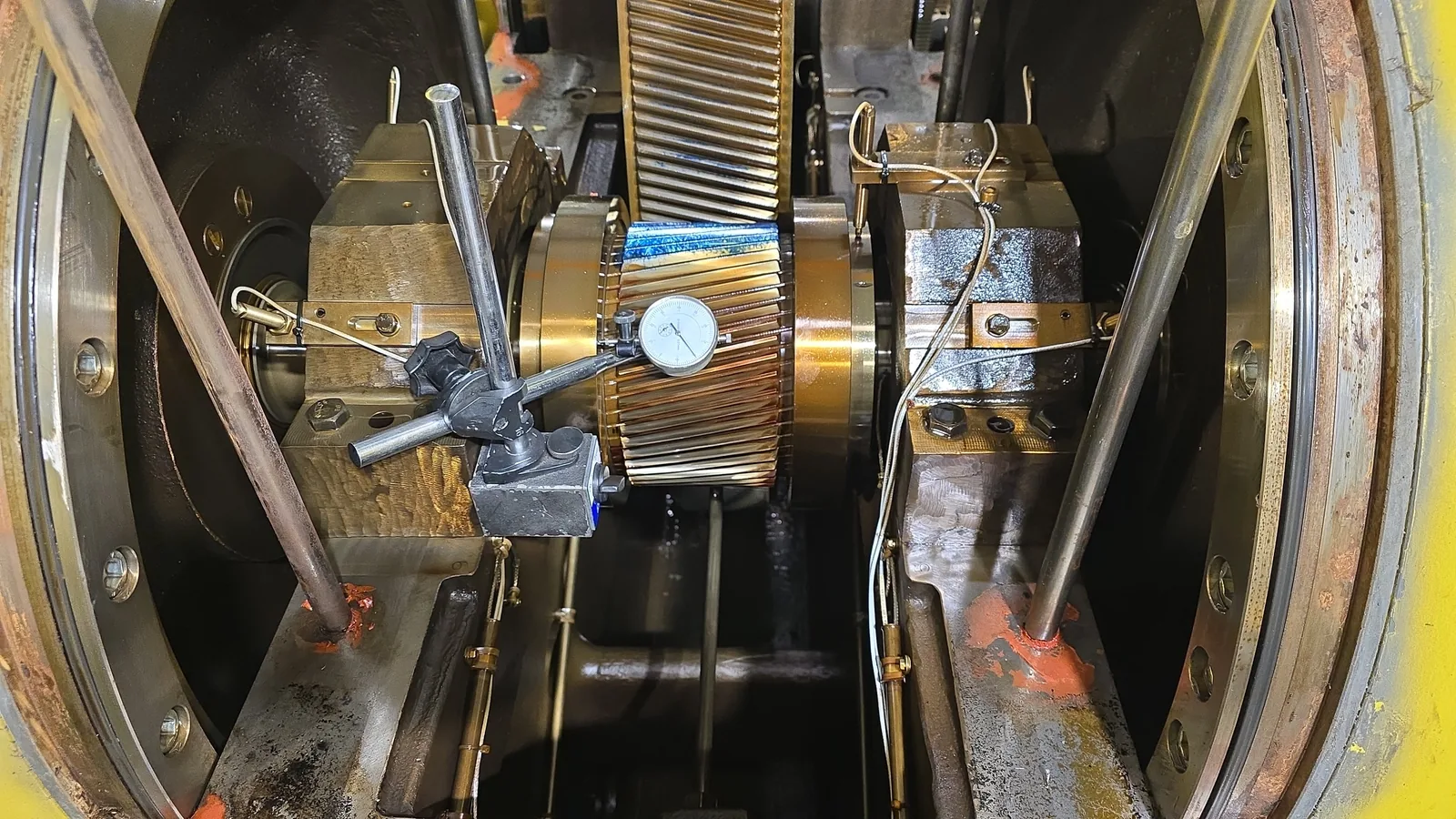
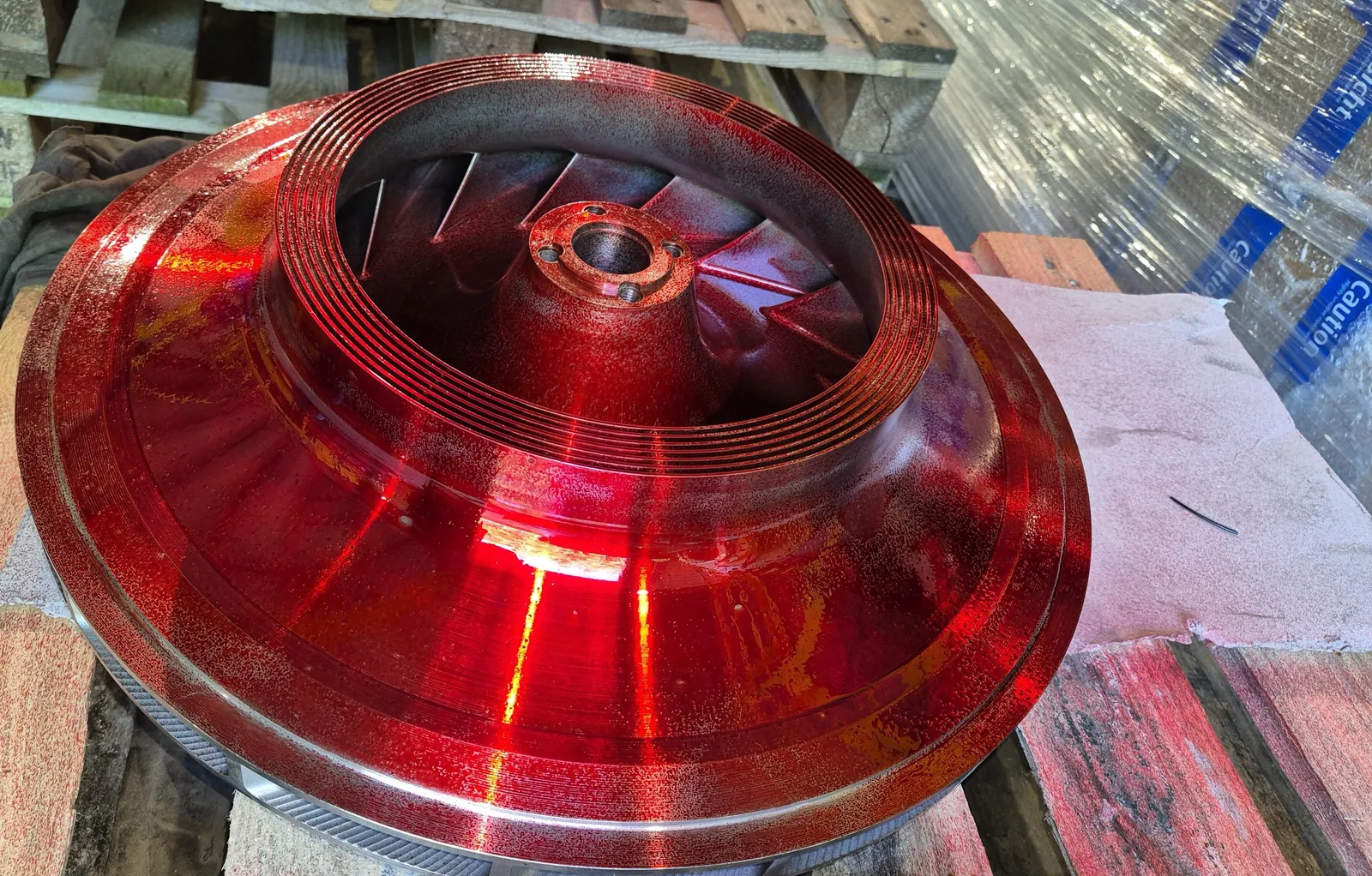
Once the contamination was confirmed, inspecting two stages was no longer defensible. Wire had travelled through the whole oil system, so the whole system and every bearing fed by it had to be inspected and cleaned. In consultation with the operator the team on site was scaled up, and the compressor and the complete oil circuit were cleaned together with a local cleaning partner, including the main and auxiliary oil pumps and the auxiliary oil equipment.
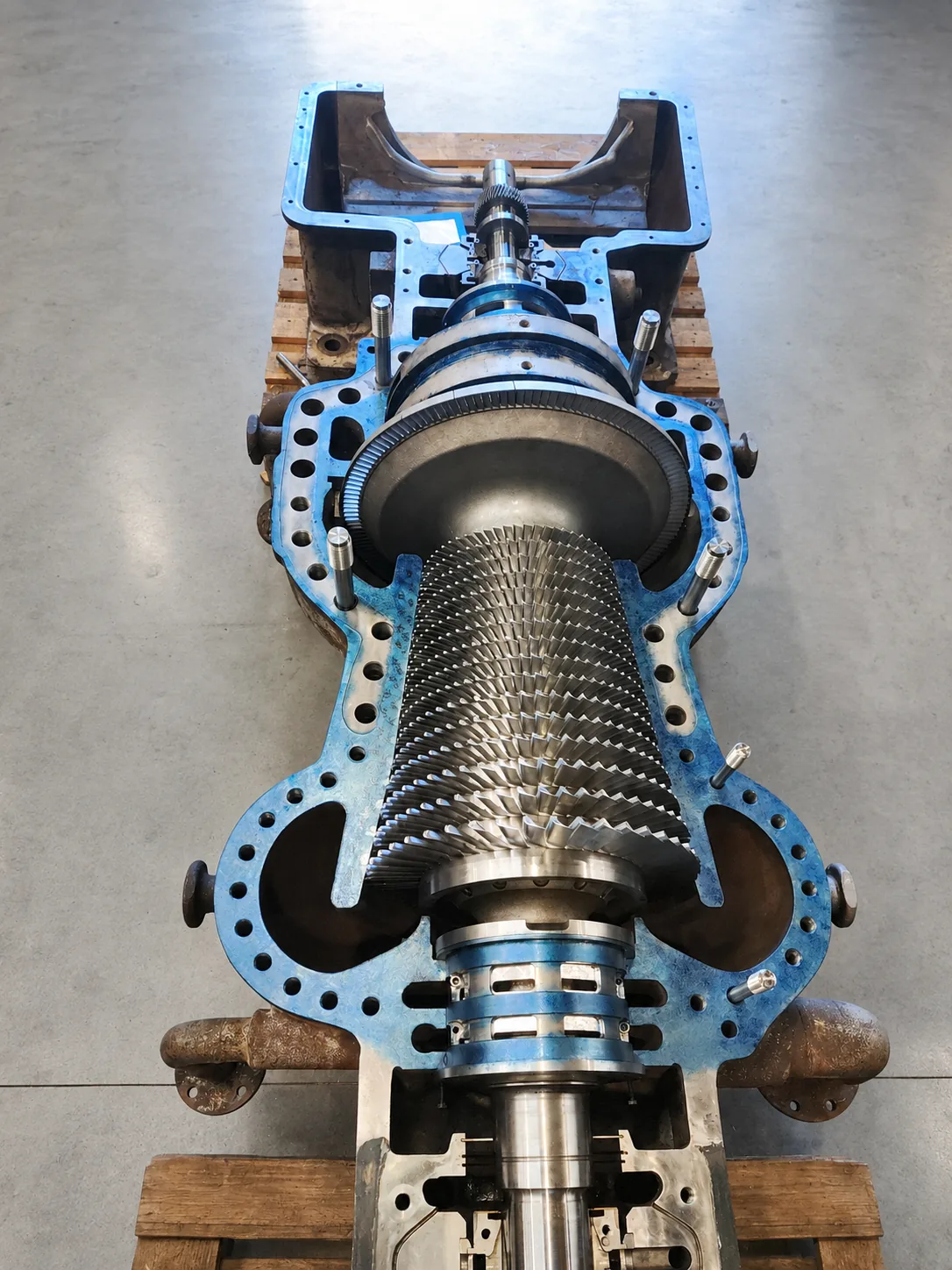
At that point the machine was open, clean and accessible with a full team on site, and the major overhaul was already scheduled for the following year. Rather than close the machine and repeat the disassembly twelve months later, the cleaning campaign was converted into that overhaul. It covered the gas seals and impeller eye seals, the bearings and oil labyrinths, backlash and contact pattern on the pinions and the bull gear, axial and radial gear clearances, and non destructive testing on all rotating parts. That was only possible because the back office prepared the scope, the measurement tables and the parts while the cleaning was still in progress.
Workshop Support and the Spare Bearing Set
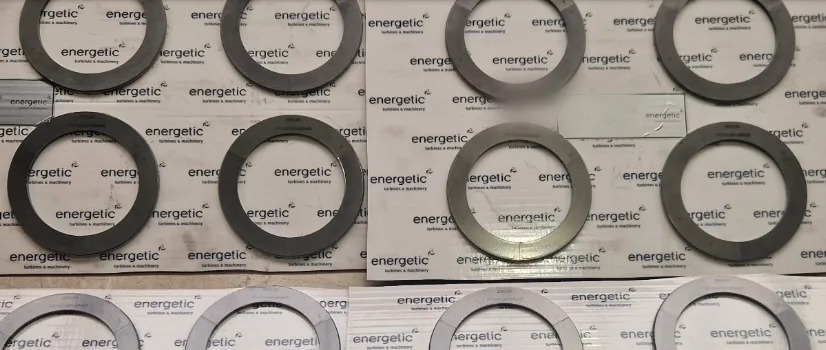
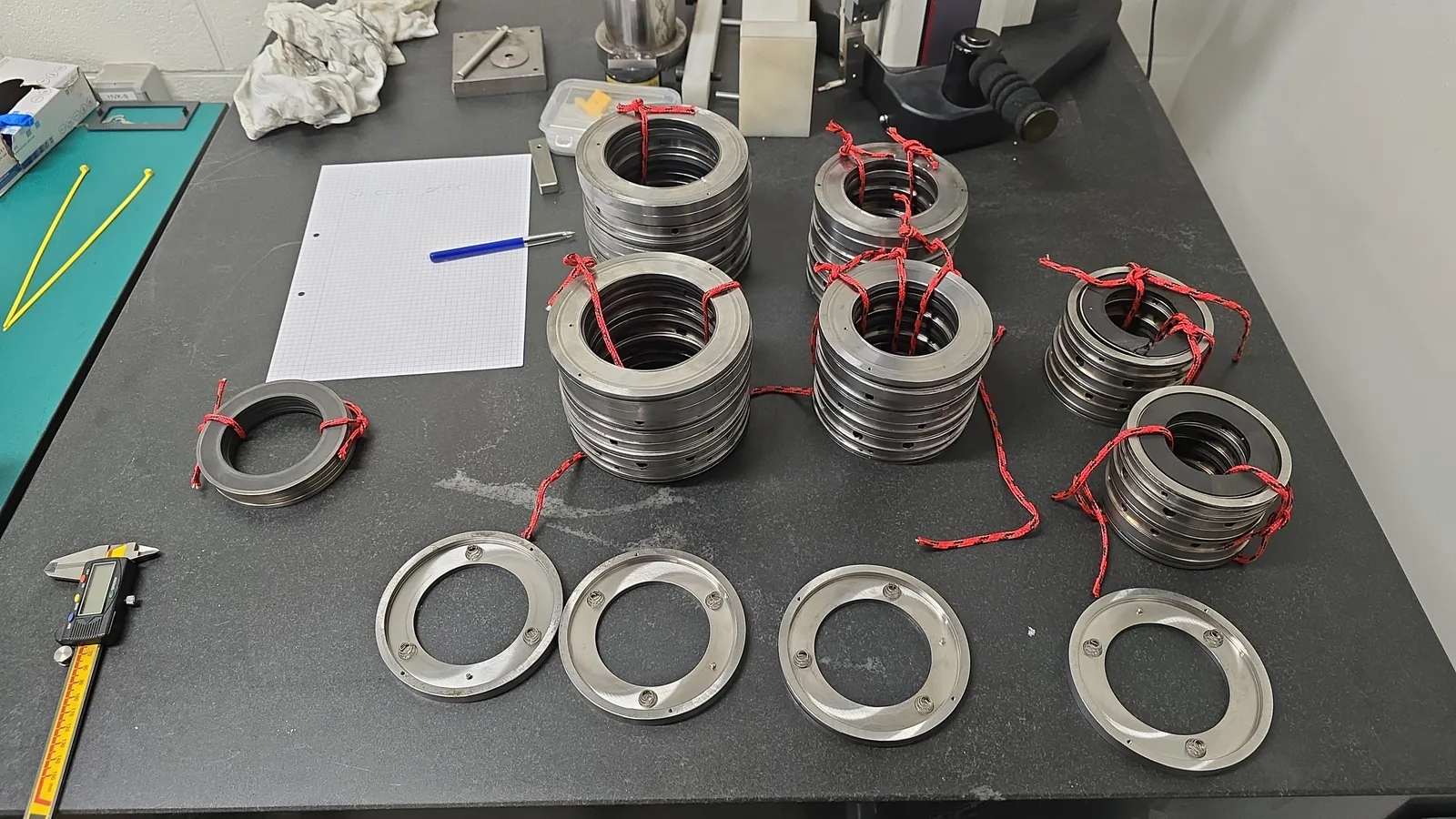
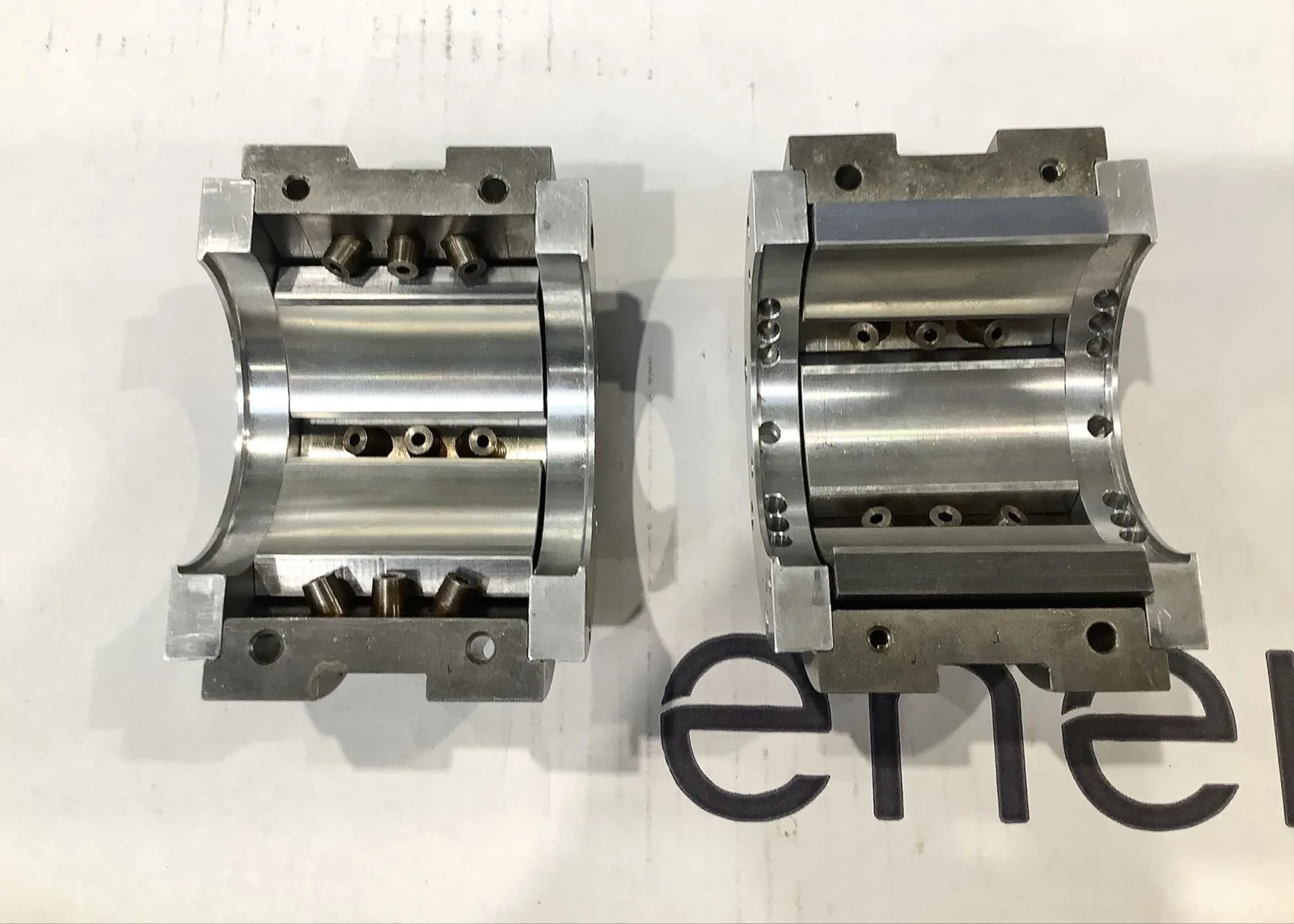
The carbon rings in the gas seals had reached the end of their service life. Rather than order and wait, Energetic Machinery's own workshop manufactured new free floating carbon rings and delivered them on site in time for installation. Seals, O rings and materials that were not in stock were delivered during the outage instead of becoming a reason to extend it.
The overhaul consumed the plant's spare bearing set. A complete new set was manufactured afterwards, radial tilting pads for stages 1 to 6, the radial bull gear bearing and the radial motor bearing, each to Energetic Machinery's own drawings and each with its own quality control report. Supplying the spare set after the outage keeps the critical path short, because the machine goes back into service on the parts that are already there.
Restart and Results
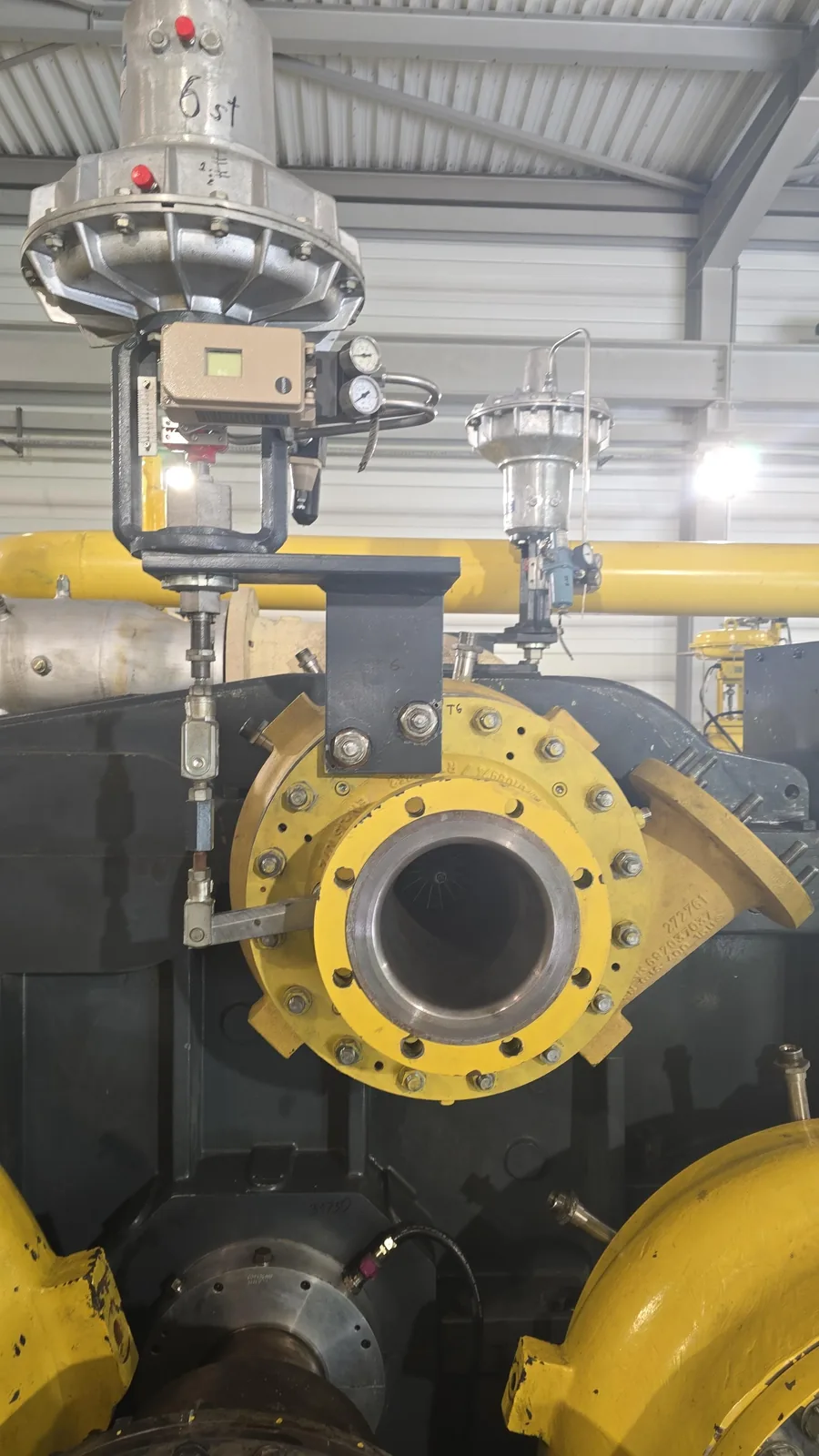
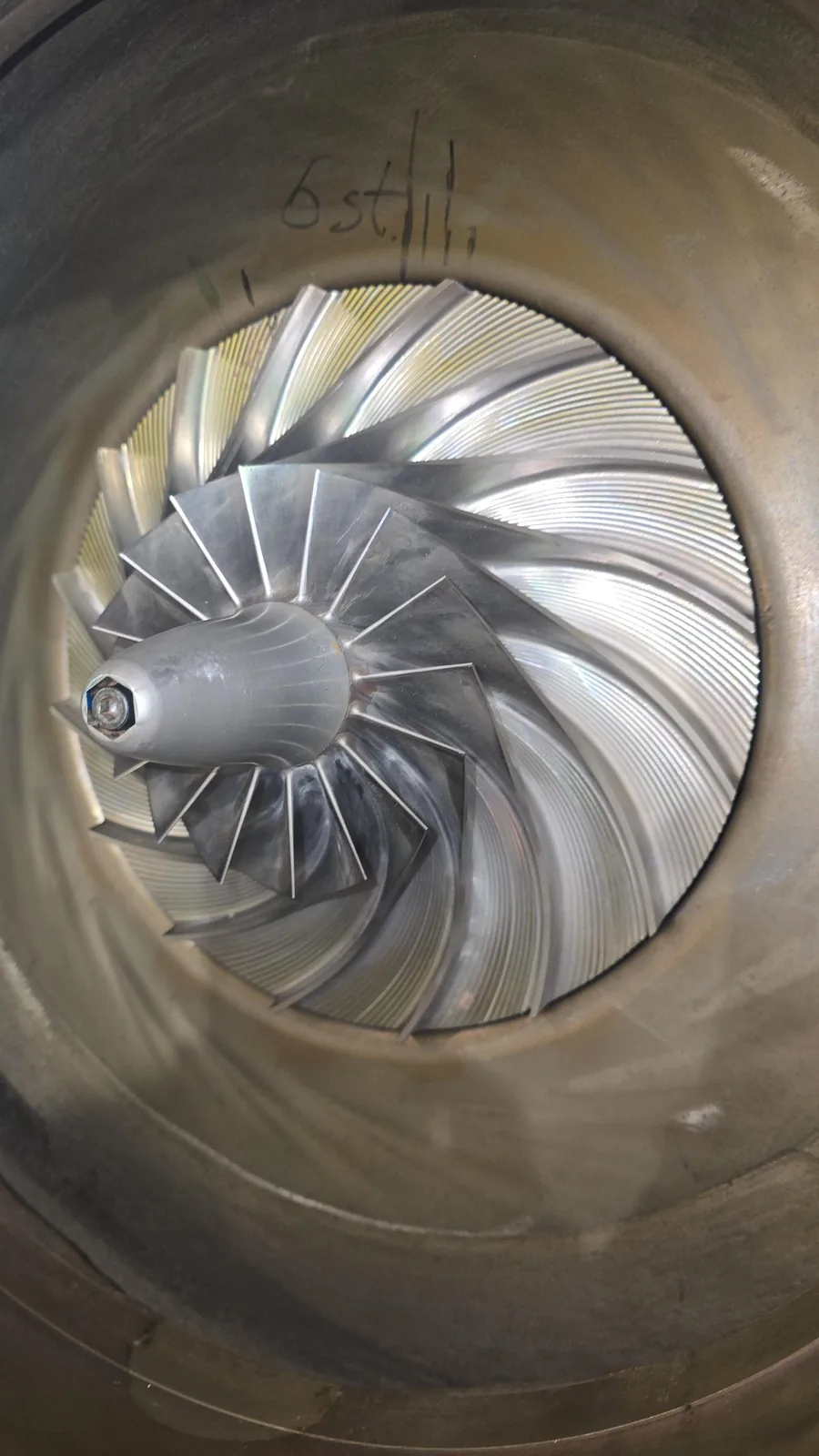
After the overhaul, the cleaning of the oil circuit and the installation of new filters, the oil system was restarted. Alignment was checked, a stroke test was performed on the inlet guide vanes, and the instrumentation and the bypass valve were verified before the installation returned to service, with an Energetic Machinery commissioner supporting the start up. The operator received a complete report with all parameters and measurements, which also serves as the baseline for the next inspection.
-
Three weeks from the troubleshooting inspection to mechanical completion.
-
The compressor was restarted immediately and permanently, together with the main air compressor.
-
A major overhaul scheduled for the following year was completed inside an unplanned stop.
-
The root cause was found and removed rather than managed, and the contaminated oil system was cleaned rather than filtered and monitored.
-
An alignment indication that the control system was filtering out was identified and documented.
-
The plant's spare bearing set was rebuilt afterwards with new, quality controlled parts.
FAQ: No Stop Checks on Integral Geared Compressors
If nothing is in alarm, what is there to find?
Alarm setpoints mark the boundary of acceptable operation, not the boundary of normal operation. Here every bearing temperature was inside the permitted band while the oil supply was being restricted by contamination. Setpoints tell you when to stop. They do not tell you what is happening.
Can a filter differential pressure gauge miss a failed filter?
Yes, and it will. A clogging element raises the pressure drop, which is what the instrument is intended to detect. A ruptured element lets oil pass through the breach, so the pressure drop falls away and the reading suggests a clean filter while contamination passes downstream.
Does converting an unplanned stop into a major overhaul actually save time?
It does when the preparation exists. The machine was already open, clean and staffed, and the alternative was to close it, run for another year and repeat the same disassembly. It only works if the overhaul scope, the measurement tables and the parts are prepared in parallel.
Conclusion: Alarm Limits Are Not a Condition Assessment
This case may be relevant if bearing temperatures on an integral geared compressor sit consistently near but below the alarm level, if a parameter changed step wise after a shutdown and stayed there, if oil filter differential pressure looks suspiciously stable, or if the maintenance history of a critical machine can no longer be reconstructed from the available documentation.
The machine was not in alarm and, as far as the control system was concerned, not in trouble. The inspection found a compressor running with almost no thermal margin, an oil system contaminated by its own failed filter, and an alignment indication filtered out before it reached the operator. Energetic Machinery combines No Stop Checks with field service, back office engineering and in house manufacturing of bearings, seals and non standard components. That combination is what allows an inspection to become a completed major overhaul in three weeks instead of a report with recommendations.