Turbo Compressor Inspection & Major Repair Overview
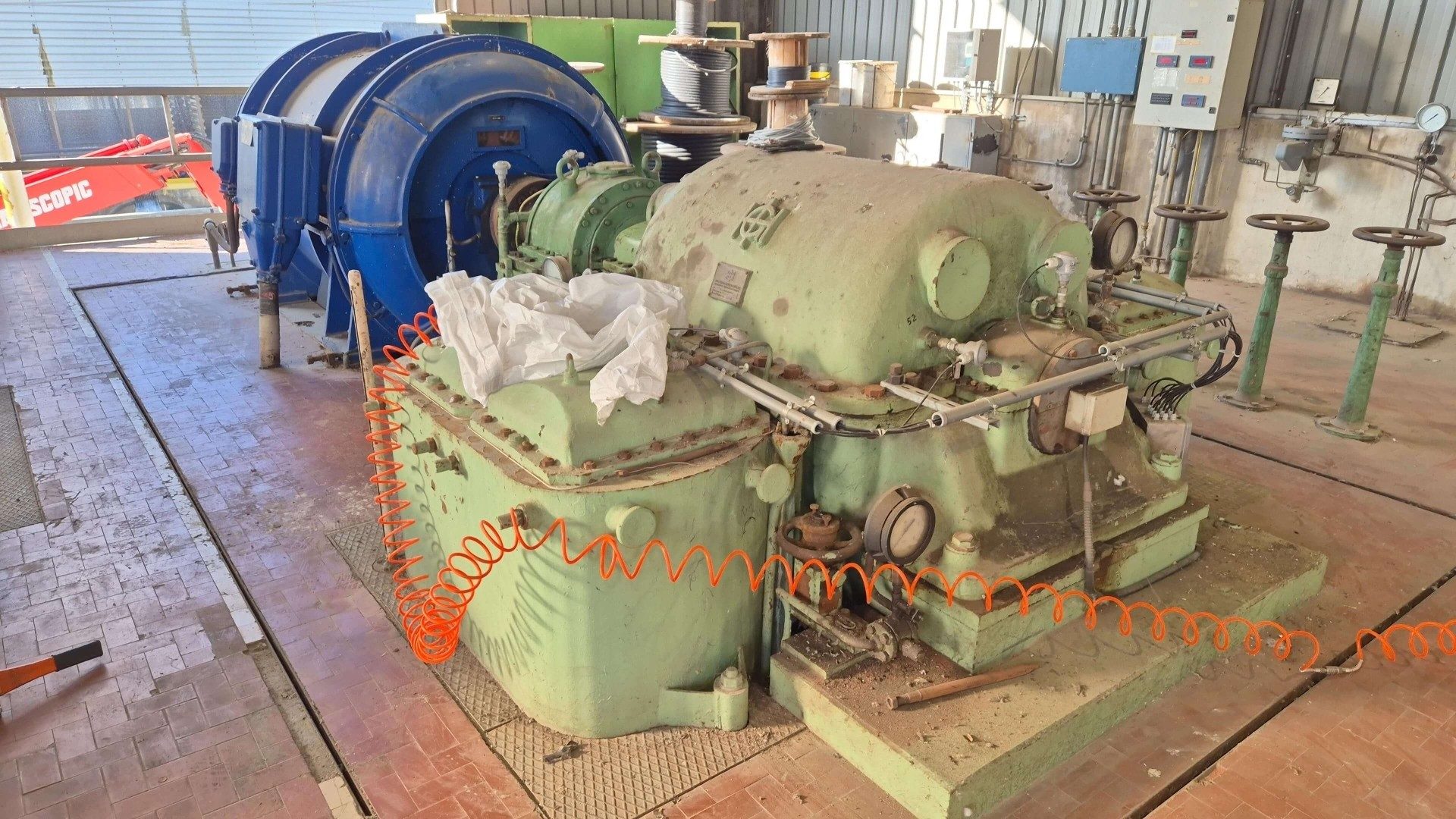
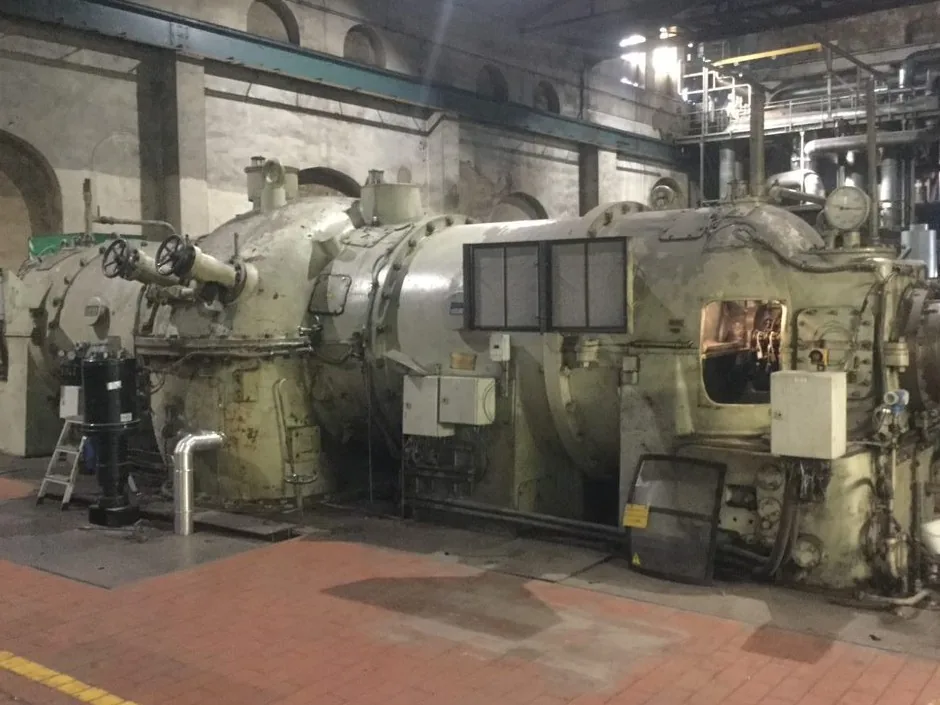
Energetic Machinery was engaged to perform a detailed industrial compressor inspection and major repair on an Escher Wyss / Brown Boveri 90-4A EK turbo compressor. This critical piece of industrial rotating equipment had experienced multiple failures over the years, including a previous overhaul, yet continued to suffer from performance issues and internal damage. This case highlights the importance of compressor maintenance, compressor overhaul, and advanced diagnostics in restoring reliability and extending equipment lifecycle.
Initial Inspection & Failure Analysis
Identifying Critical Compressor Damage
During the initial compressor inspection, severe internal damage was identified across multiple components. The stuffing boxes showed clear signs of mechanical failure, with contact between components causing friction, overheating, and material deformation. Key findings included:
- Damaged stuffing box sleeves and sealing systems
- Overheated rotor shaft surfaces
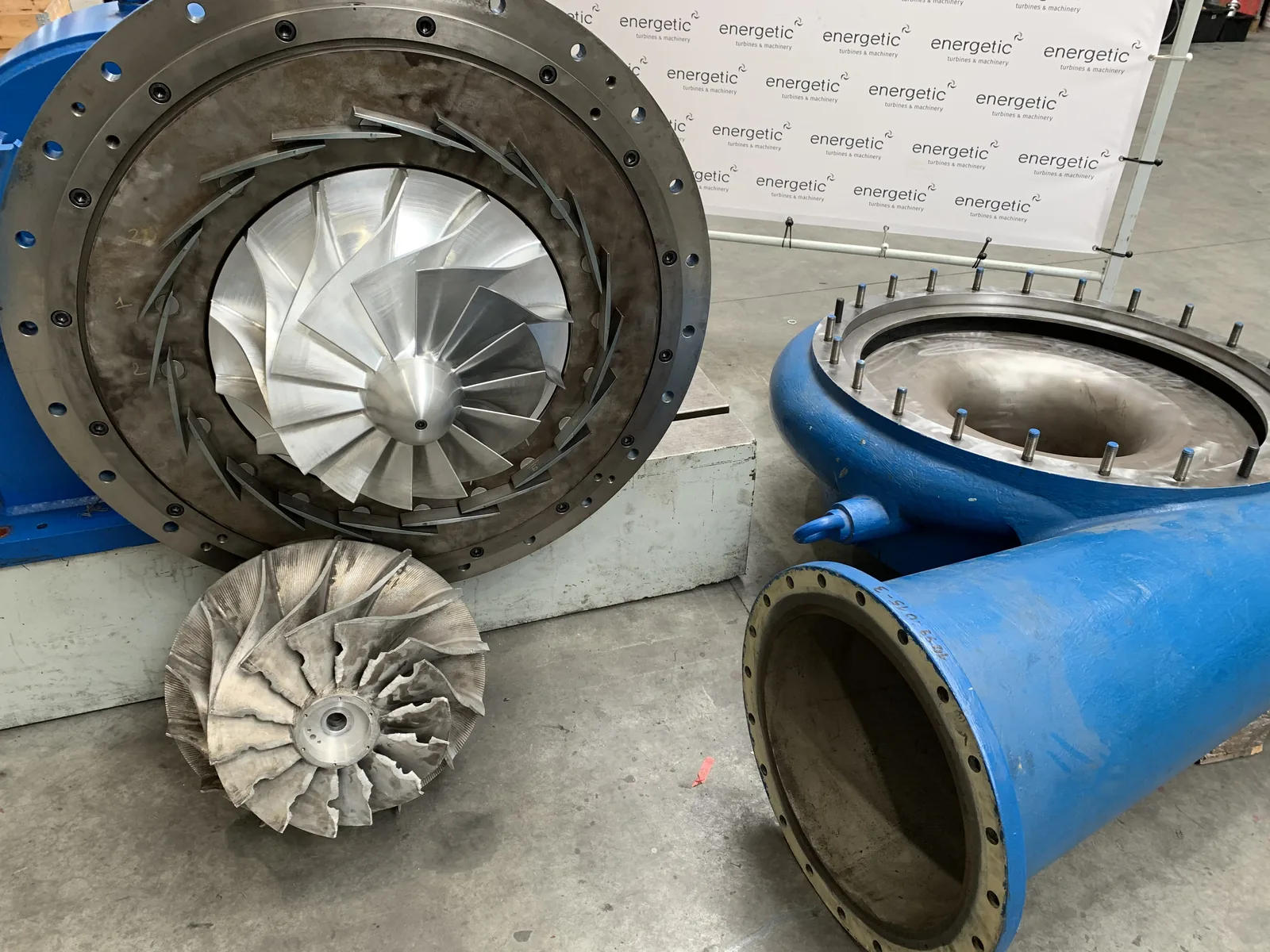
- Deformed impellers in multiple stages
- Worn and damaged labyrinth seals
- Severe wear on thrust disc and axial bearing components
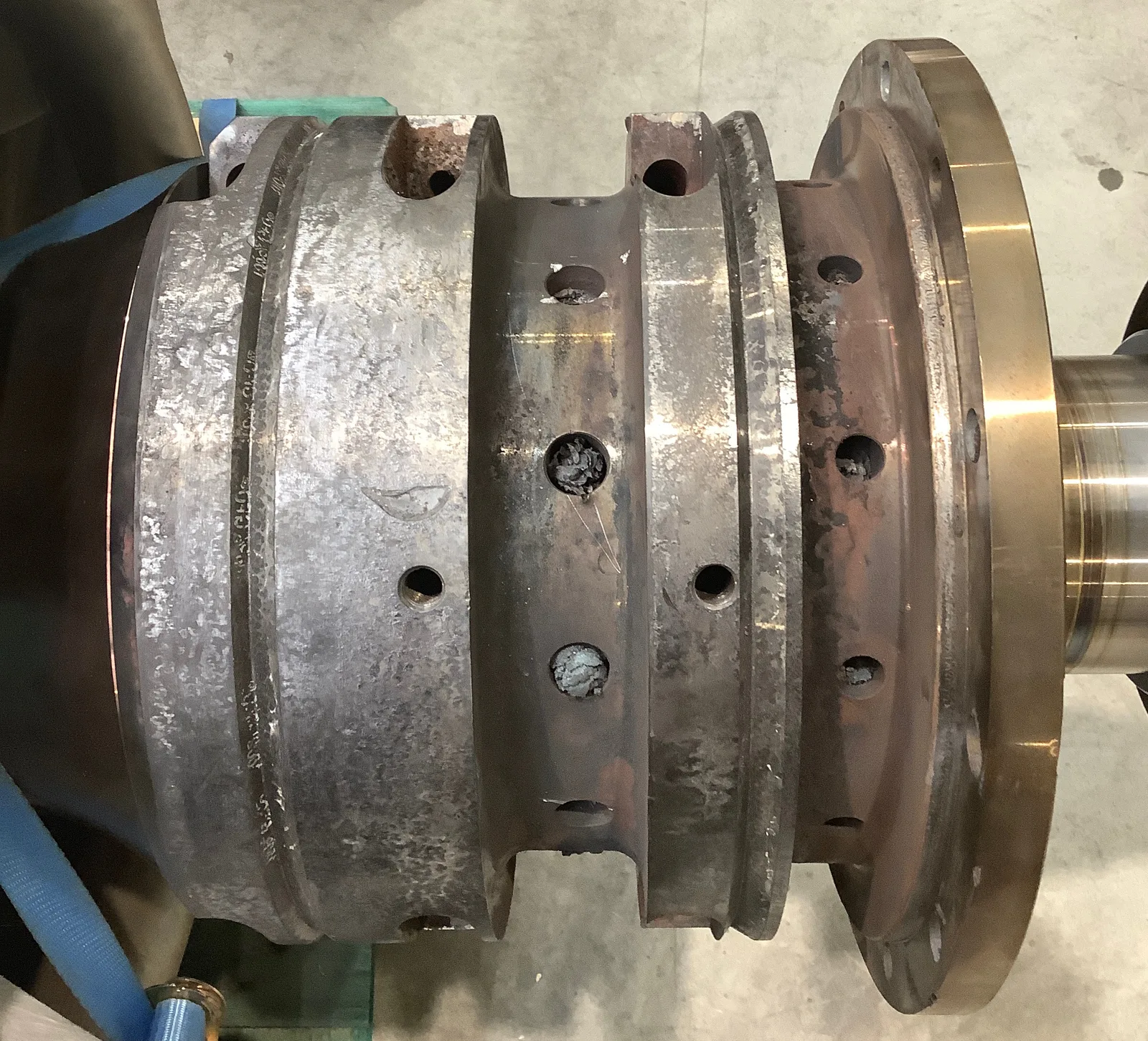
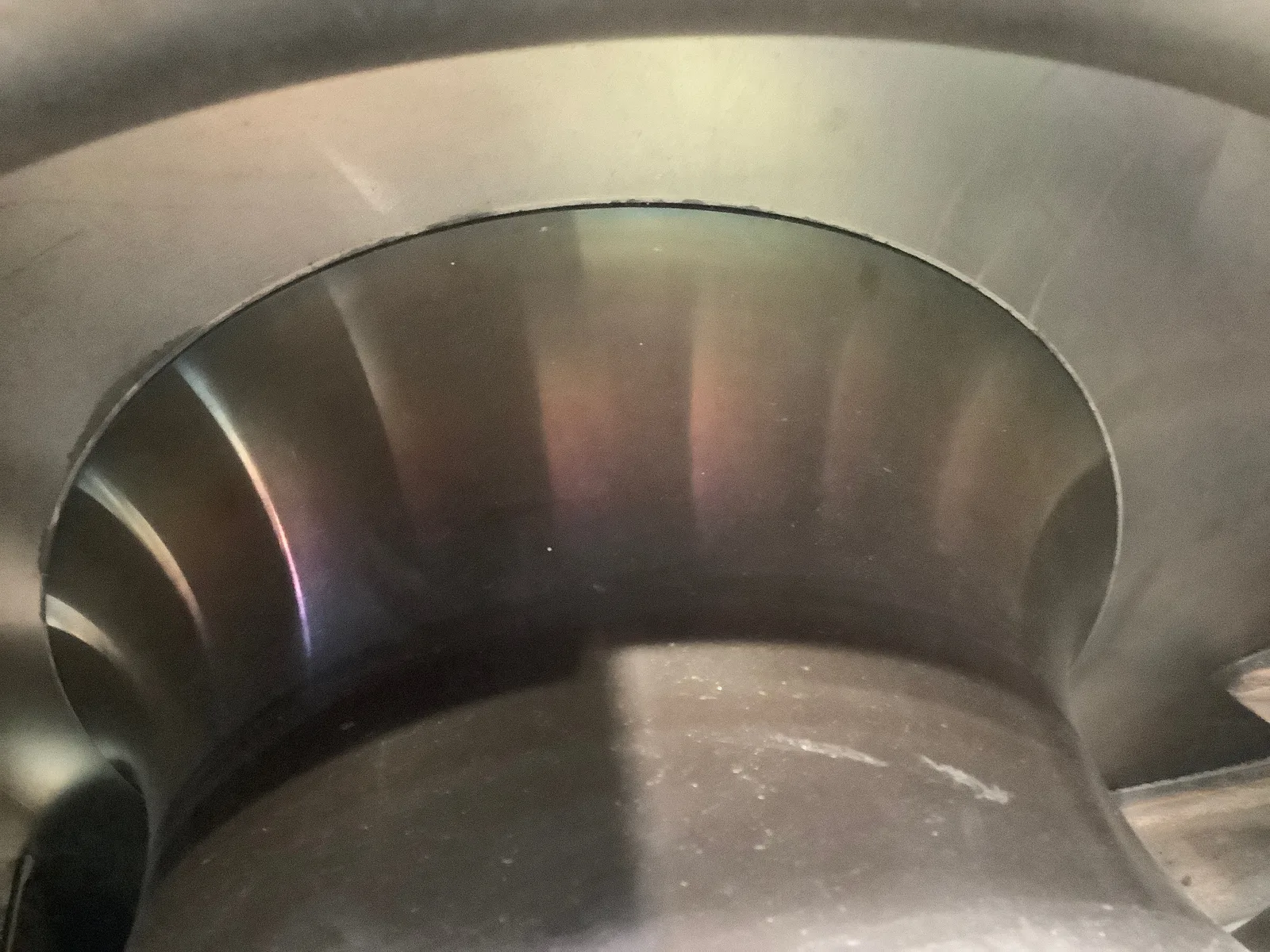
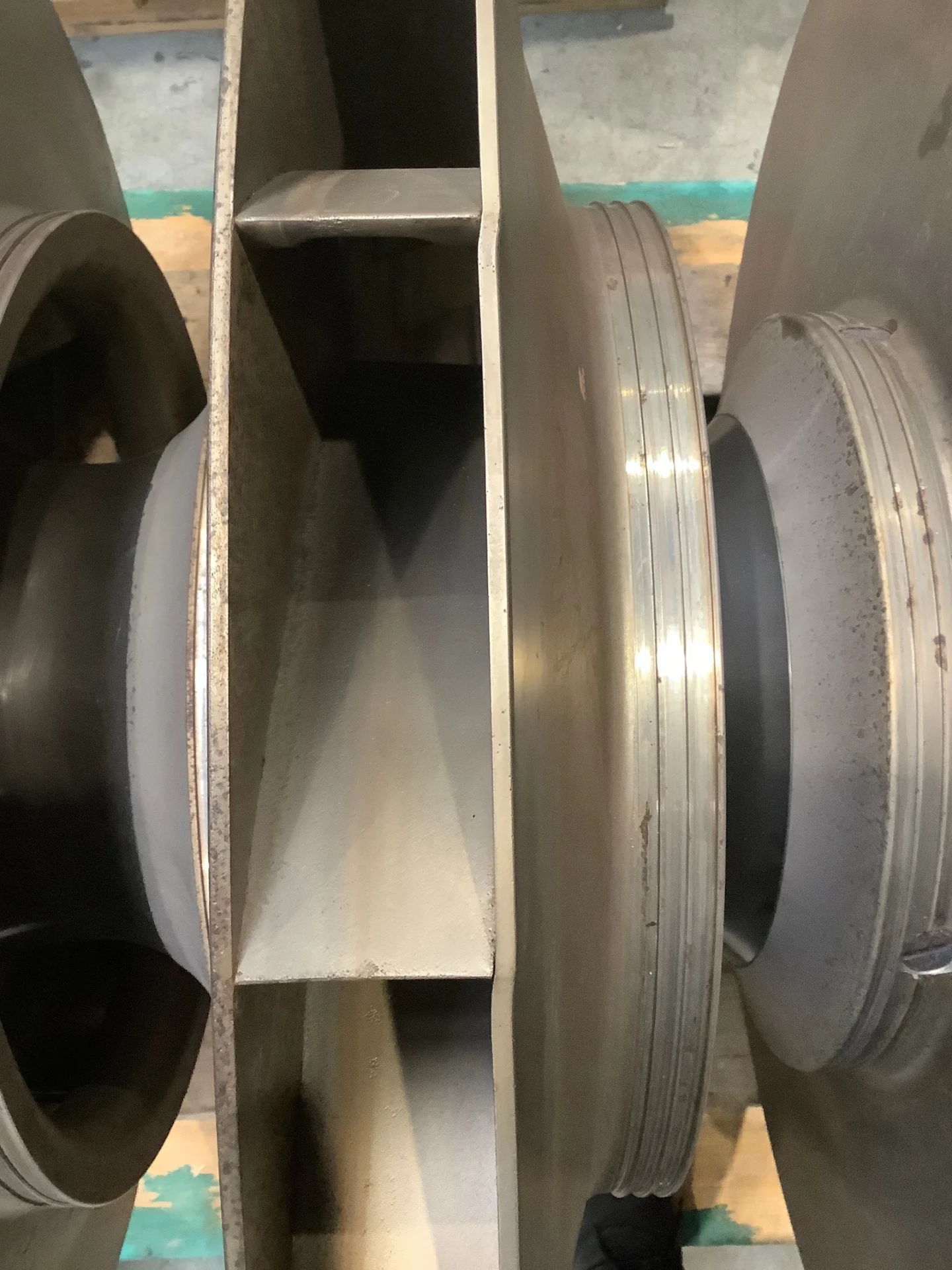
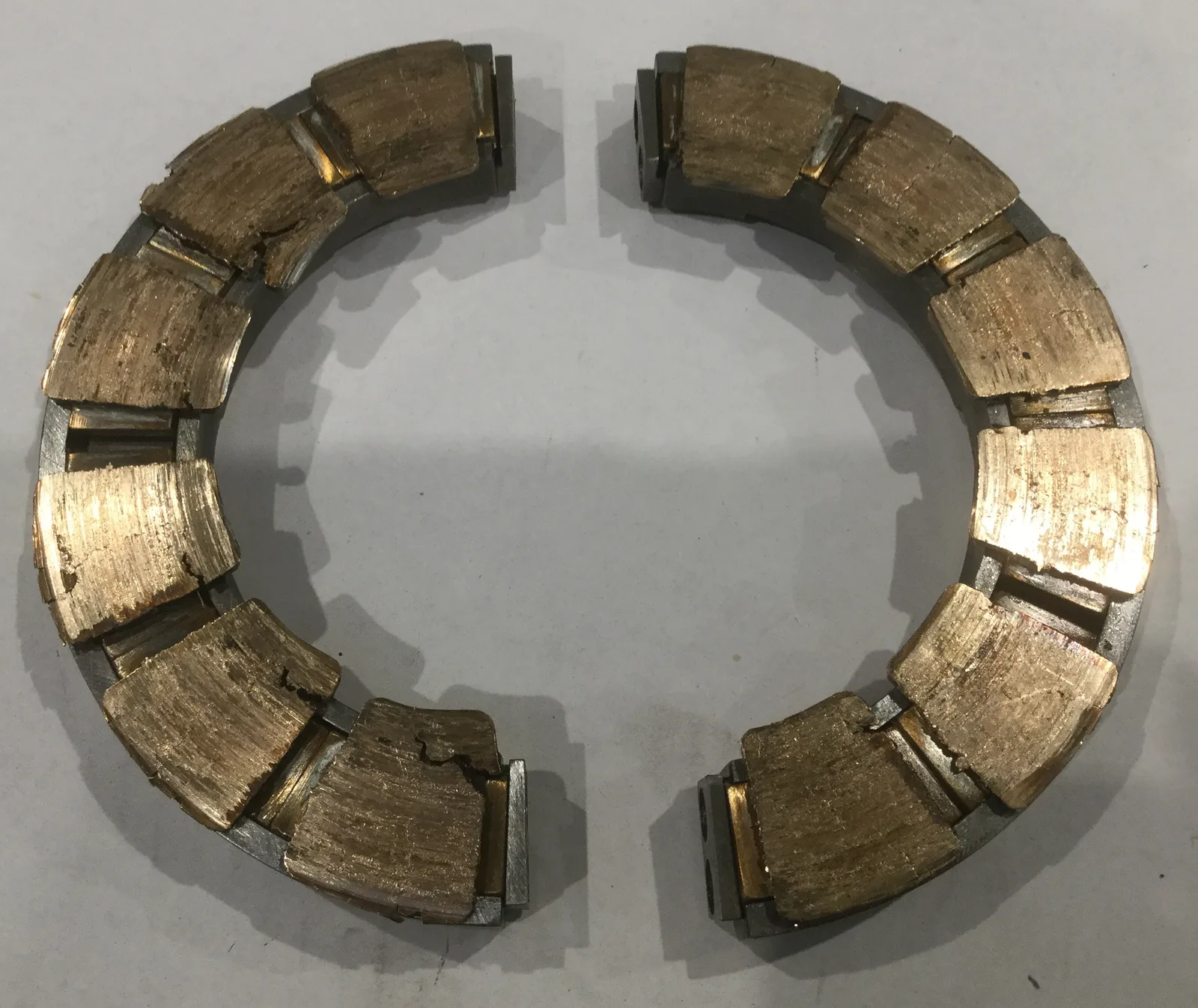 These issues are typical indicators of industrial compressor failure, often linked to misalignment, vibration, and inadequate maintenance strategies.
Root Cause Analysis & Diagnostic Approach
Understanding Compressor Failure Mechanisms
A thorough root cause analysis was conducted to determine why the compressor continued to fail despite previous repairs. The investigation revealed a combination of:
- Excessive vibration and rotor imbalance
- Seal and lubrication system degradation
- Mechanical contact between rotating and stationary parts
- Thermal damage due to friction and overheating Advanced diagnostics, including vibration analysis and component inspection, confirmed that the compressor required a full compressor overhaul rather than localized repairs.
Compressor Overhaul & Repair Execution
Full Restoration of Compressor Components
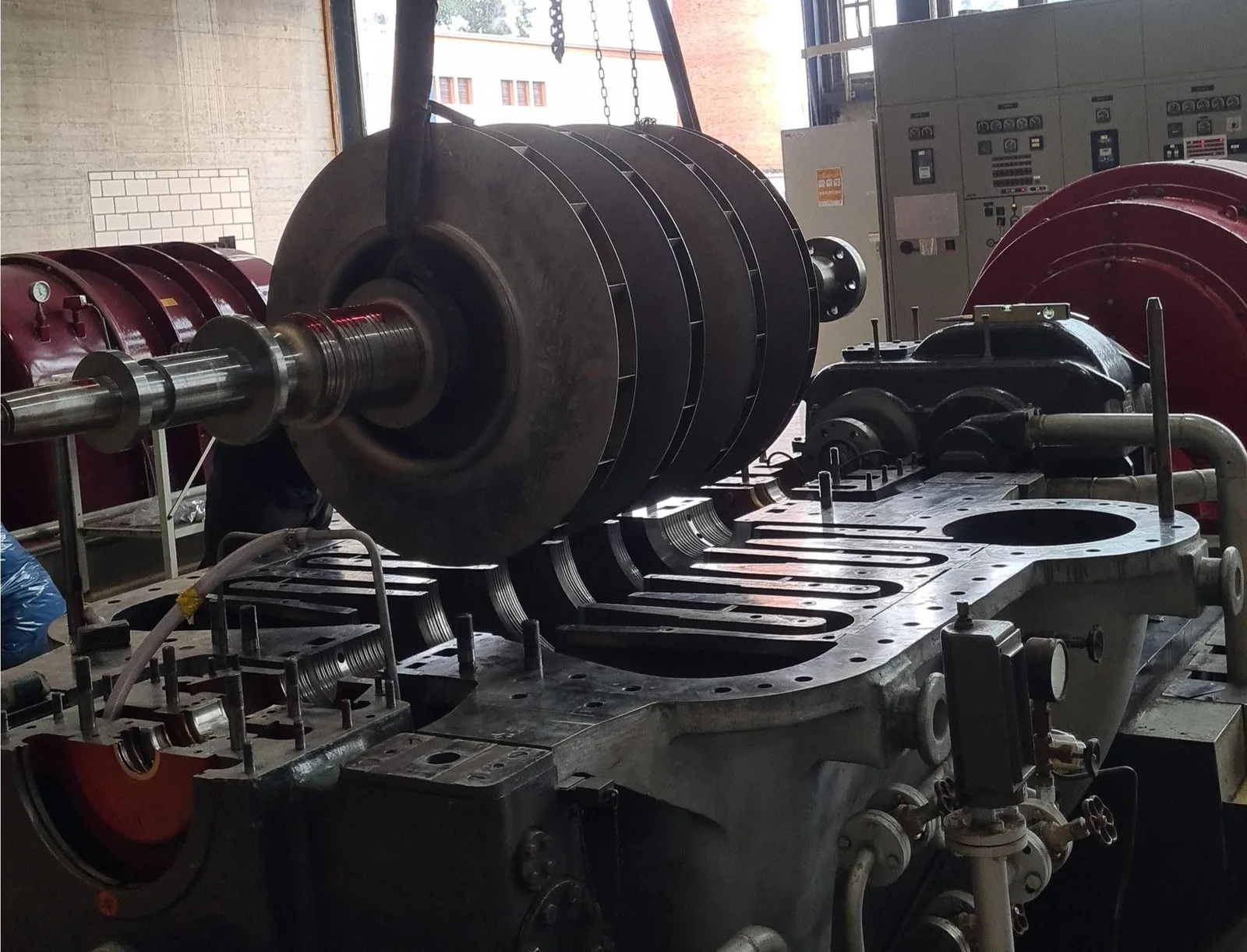
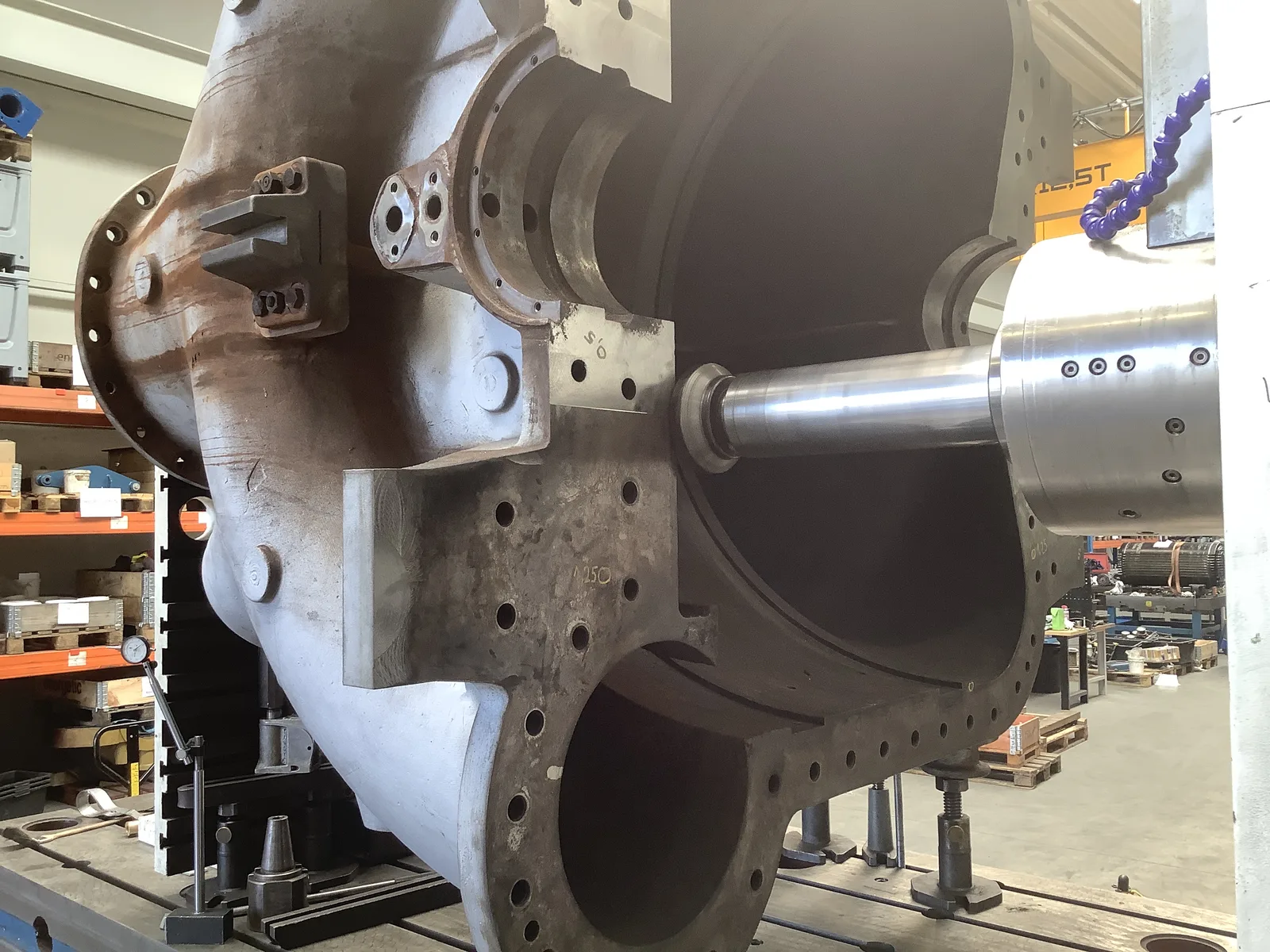
The compressor rotor was transported to the workshop for detailed inspection and repair. The overhaul process included complete disassembly and restoration of critical components. Key repair activities:
- Removal and replacement of damaged stuffing boxes
- Machining of rotor surfaces and repair of shaft damage
- Restoration of casing split lines and internal geometry
- Replacement of labyrinth seals and sealing systems
- Repair and renewal of axial bearing components Additionally, corroded and damaged surfaces within the compressor casing were machined and restored to ensure proper alignment and sealing. This structured approach ensured full compressor repair and alignment with original performance specifications.
Reverse Engineering & Spare Parts Manufacturing
OEM-Alternative Solutions for Critical Components
Due to the age of the compressor and limited OEM support, Energetic Machinery implemented reverse engineering spare parts solutions. New components were manufactured, including:
- Stuffing boxes and sleeves
- Labyrinth seals and oil seals
- Thrust disc and axial bearing parts By leveraging reverse engineering and advanced manufacturing techniques, the team was able to deliver OEM-alternative parts with improved reliability and shorter lead times.
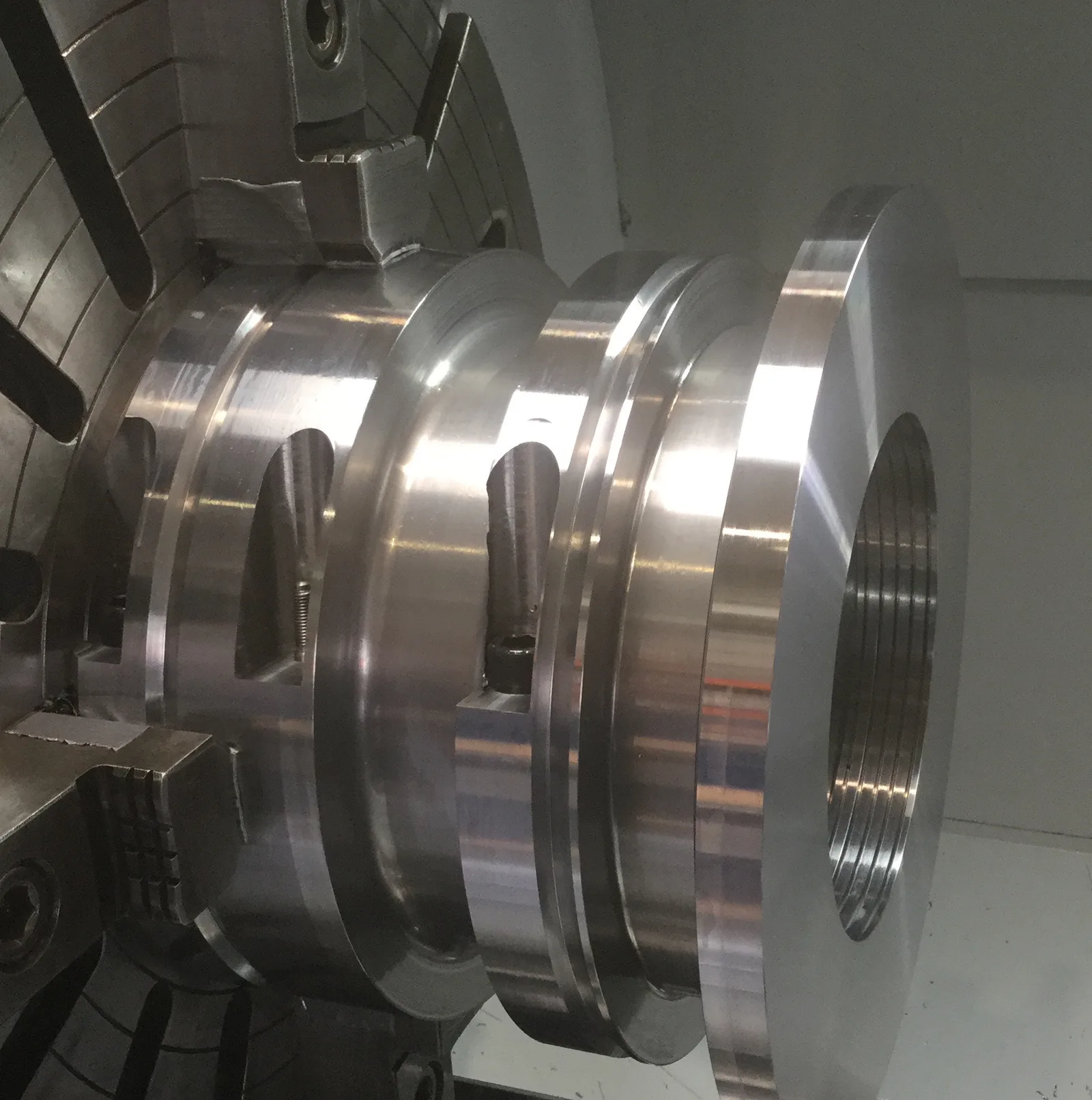
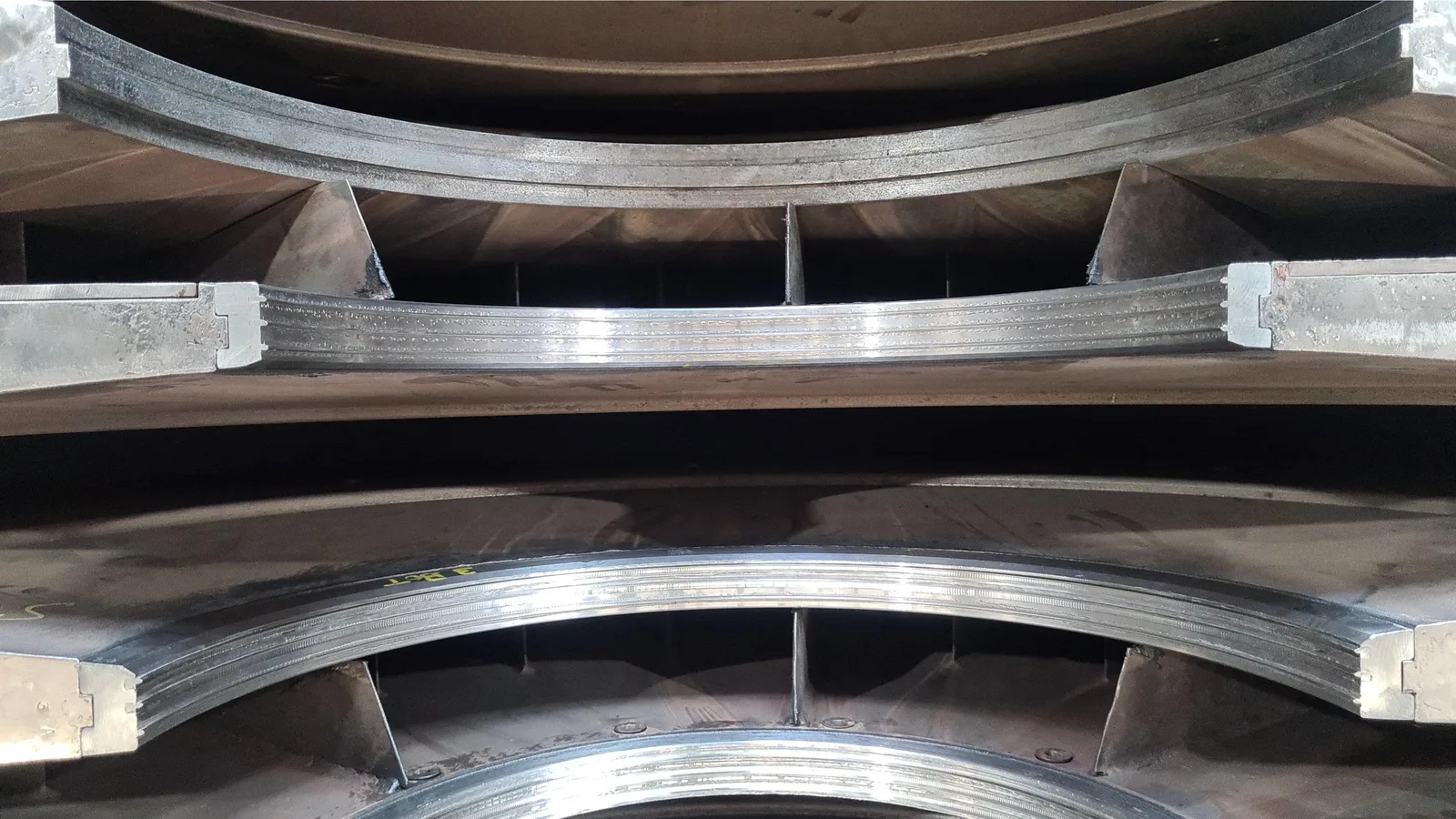 This approach is essential for maintaining legacy equipment where original parts are obsolete or unavailable.
Rotor Repair, Balancing & Performance Optimization
Improving Reliability Through Precision Engineering
The overhaul also included rotor repair and reconditioning, ensuring optimal performance and reduced vibration. Key activities:
- Rotor alignment and geometry correction
- Dynamic balancing for high-speed operation
- Inspection and repair of impeller stages
- Reassembly and precision fitting These steps are critical in high-speed rotating equipment, where even minor imbalance can lead to major performance losses or failure.
Results: Restored Compressor Performance
Reduced Downtime and Extended Lifecycle
Following the overhaul and reassembly, the compressor was successfully returned to operation. Thanks to the combination of compressor overhaul, reverse engineering, and precision repair, the system achieved:
- Restored operational reliability
- Improved efficiency and performance
- Reduced risk of future failures
- Extended equipment lifecycle This project demonstrates how expert industrial compressor service can transform severely damaged equipment into a reliable asset once again.
FAQ: Industrial Compressor Overhaul & Repair
What causes industrial compressor failure?
Common causes include vibration, rotor imbalance, poor lubrication, seal damage, and overheating. Early diagnostics help prevent major failures.
What is included in a compressor overhaul?
A compressor overhaul includes inspection, disassembly, root cause analysis, repair or replacement of damaged components, reassembly, and performance testing.
Can old compressors be repaired instead of replaced?
Yes, with compressor repair and reverse engineering spare parts, even obsolete compressors can be restored and optimized.
How are damaged compressor components replaced?
Through reverse engineering, components such as seals, rotors, and bearings can be reproduced as OEM alternatives.
Can compressor repairs be done on-site?
Initial diagnostics and some repairs can be performed on-site, but major overhauls often require workshop facilities for precision work.
Conclusion: Expert Compressor Repair for Critical Equipment
This case study highlights the value of combining compressor inspection, compressor overhaul, and reverse engineering to restore critical industrial rotating equipment. Energetic Machinery's expertise in industrial compressor repair ensures reliable, cost-effective solutions for even the most complex turbomachinery challenges.