Critical Turbo Blower Failure in Wastewater Treatment Plant
Energetic Machinery was called in to perform a full industrial blower repair and compressor overhaul on a Schiele GX-420 turbo aeration blower installed in a wastewater treatment facility. The blower was essential for aeration processes, and its failure resulted in the loss of backup capacity and increased operational risk. Initial inspection revealed severe damage to key components, including the impeller, bearings, and gearbox elements. This case demonstrates the importance of proactive compressor maintenance and rapid industrial rotating equipment repair in critical infrastructure.
Inspection & Damage Assessment
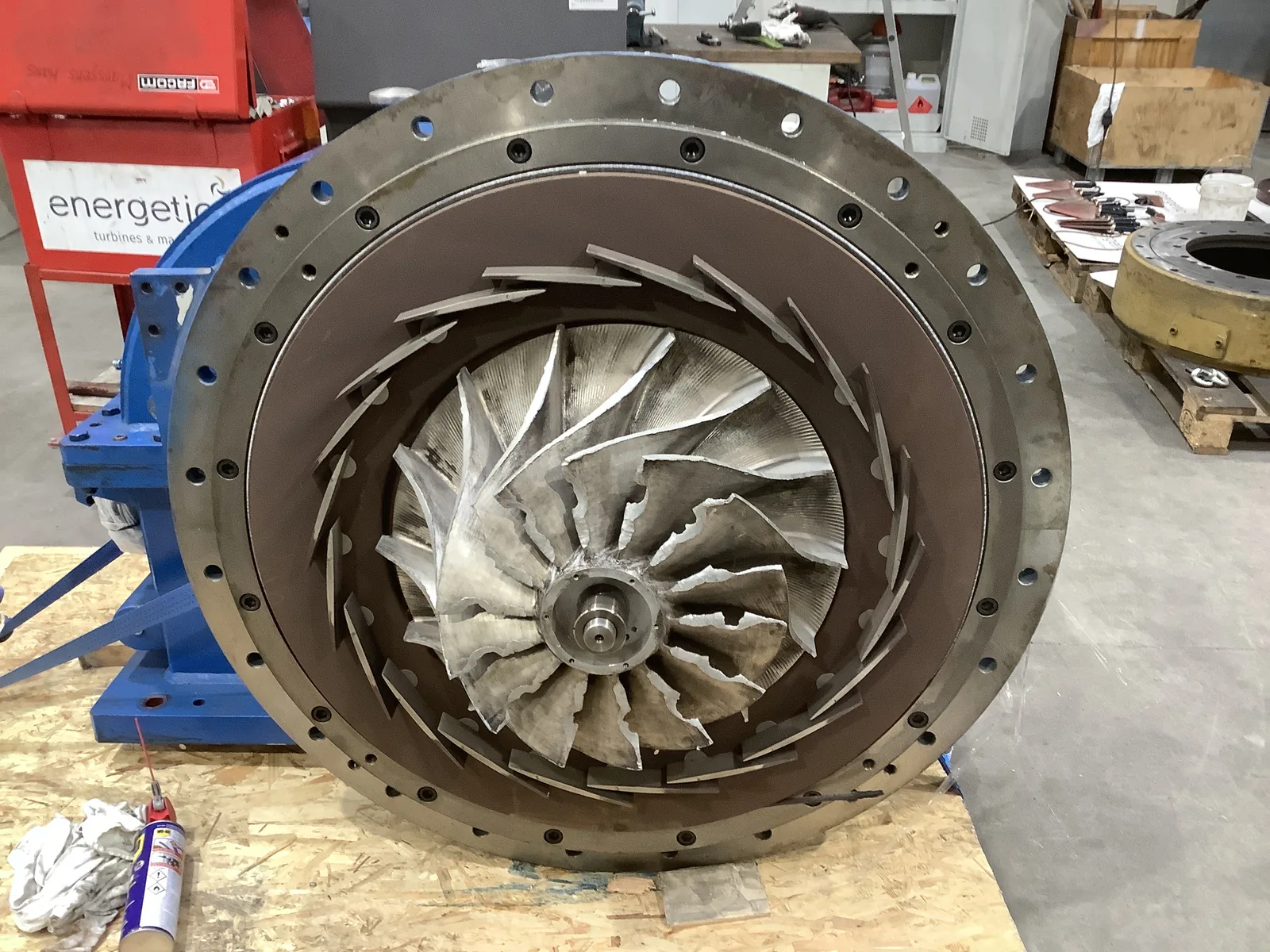
Severe Impeller, Bearing and Gear Damage
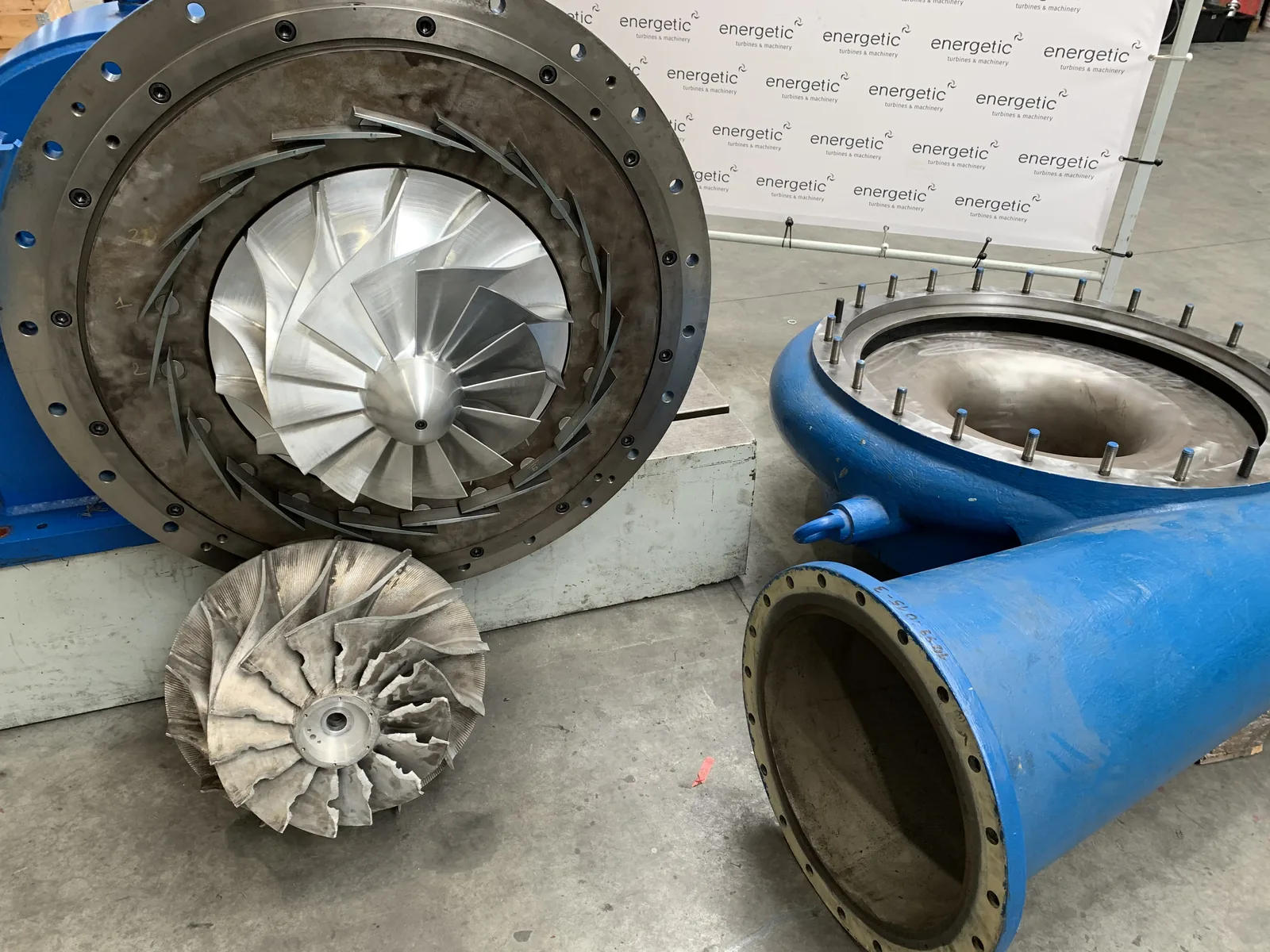
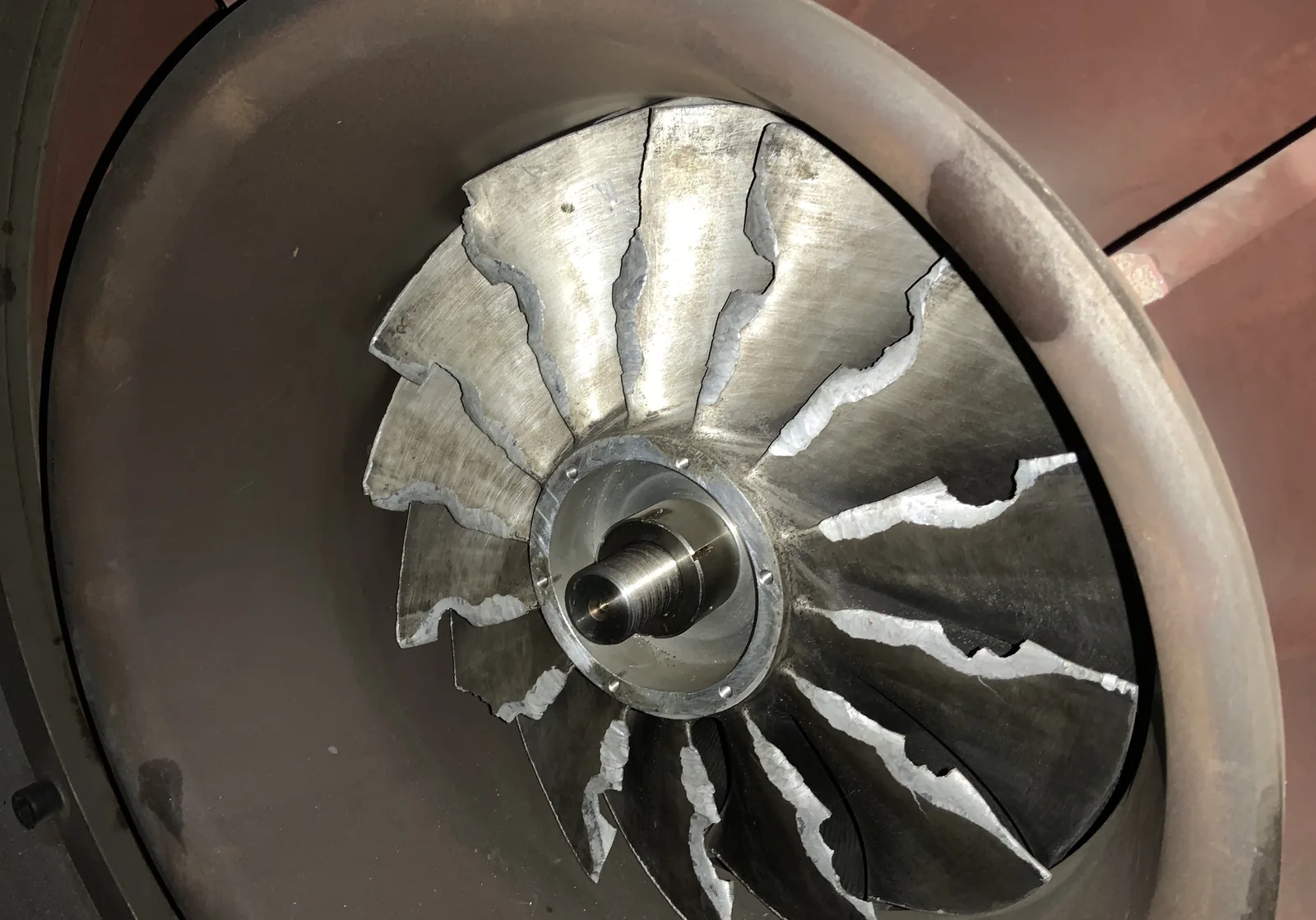
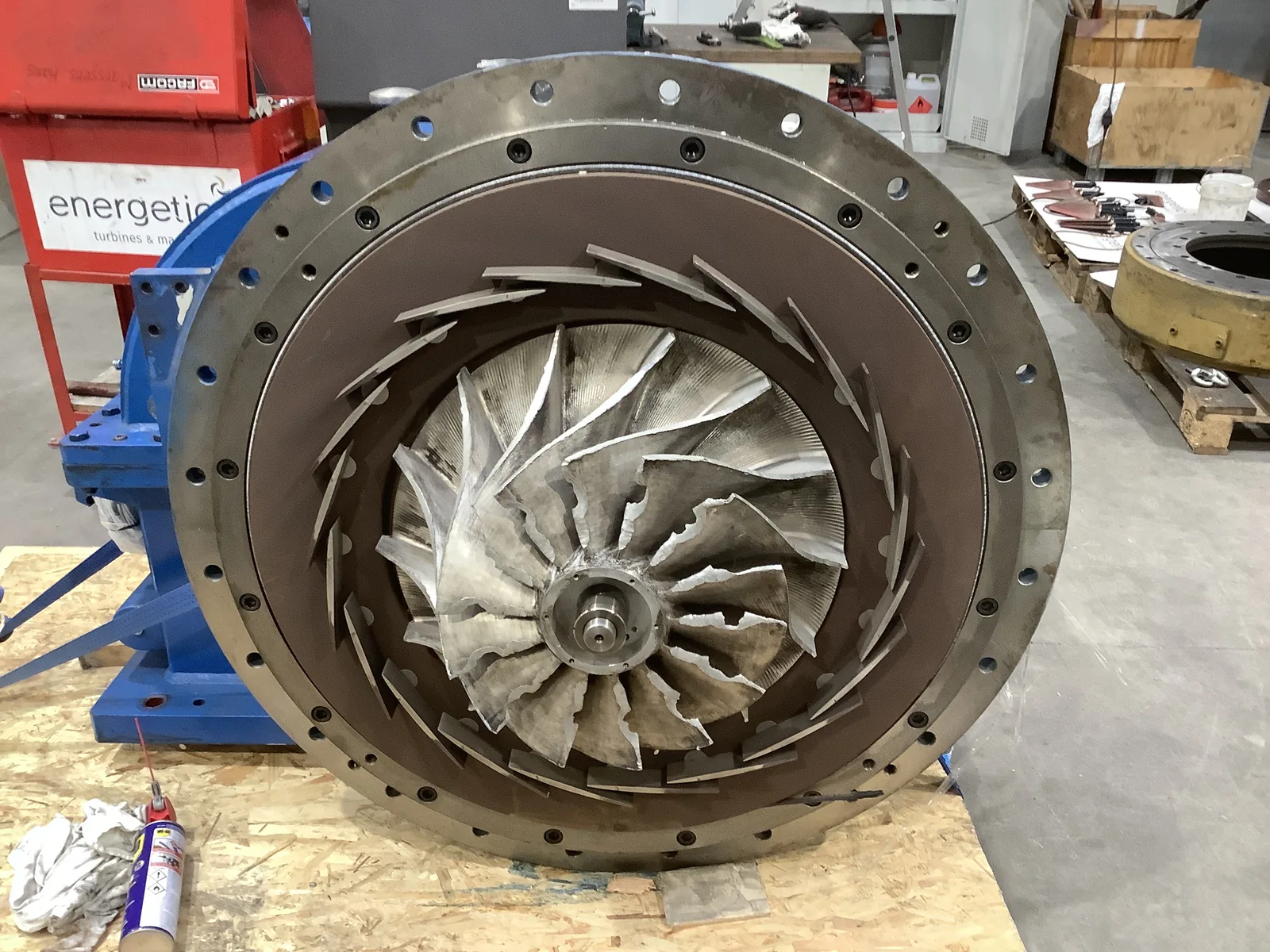
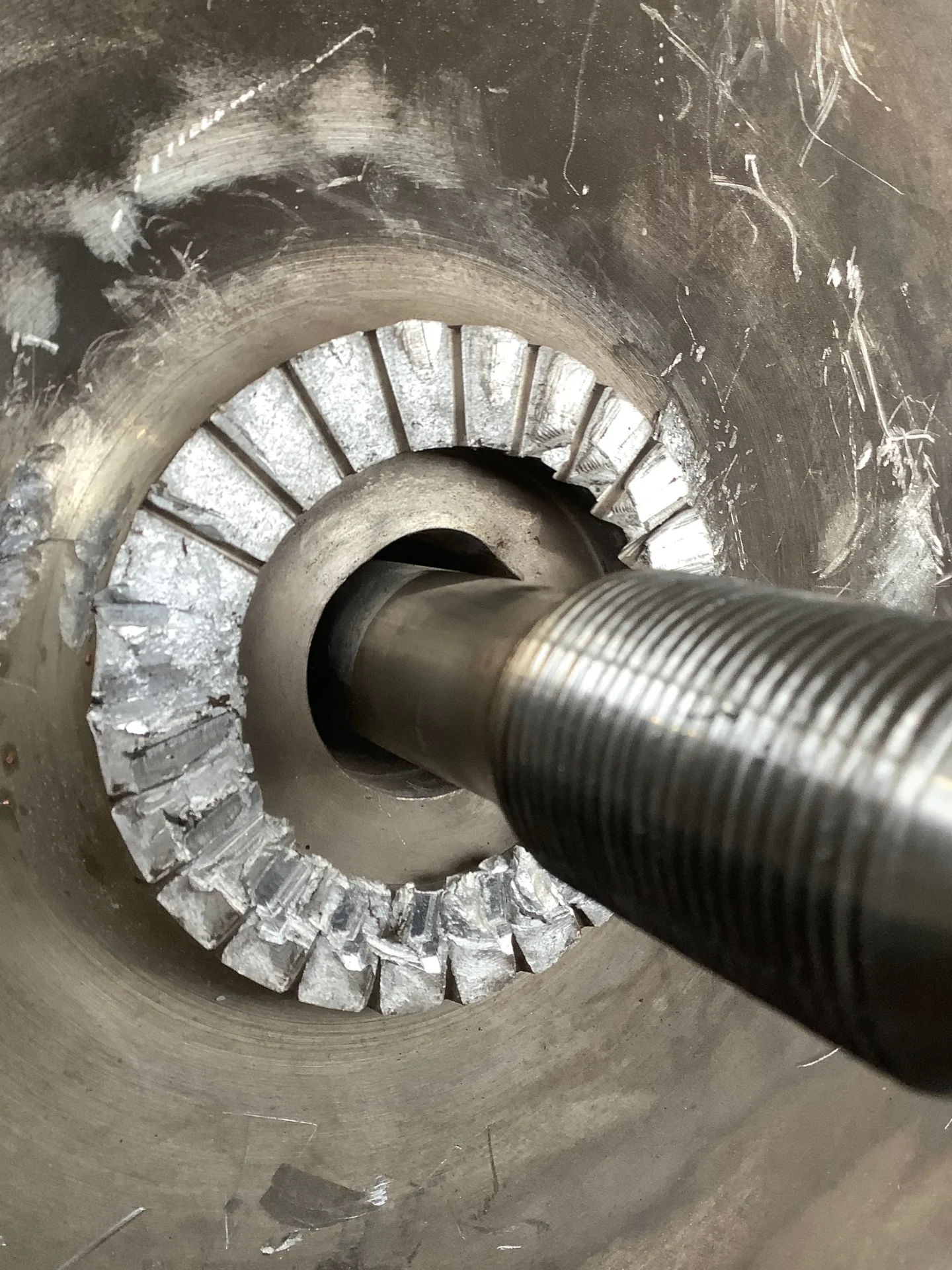
During the initial blower inspection, the unit was disassembled on-site and transported to the workshop for further analysis. The inspection revealed extensive internal damage across multiple components. Key findings included:
- Complete failure of the impeller, which was beyond repair
- Severely bent high-speed pinion and damaged gear connections
- Critical damage to rotor bearings and worn gearbox bearings
- Faults in inlet guide vane (IGV) system and diffuser blades The root cause was traced to a failed bolt connection in the impeller assembly, which was under-designed in both material selection and dimensions. Such failures are typical in high-speed rotating equipment, where design limitations and mechanical stress can lead to catastrophic breakdowns.
Root Cause Analysis & Engineering Evaluation
Identifying Design Weaknesses
A detailed root cause analysis was conducted to understand the failure mechanisms. Engineering calculations showed that the impeller bolt connection could not withstand operational loads, leading to detachment during operation. Key contributing factors:
- Insufficient bolt strength and incorrect material selection
- High rotational forces and dynamic loads
- Progressive wear and fatigue in critical components This highlights the importance of combining vibration analysis, mechanical calculations, and engineering validation in diagnosing industrial compressor failure.
Reverse Engineering & Spare Parts Manufacturing
Designing a New High-Performance Impeller
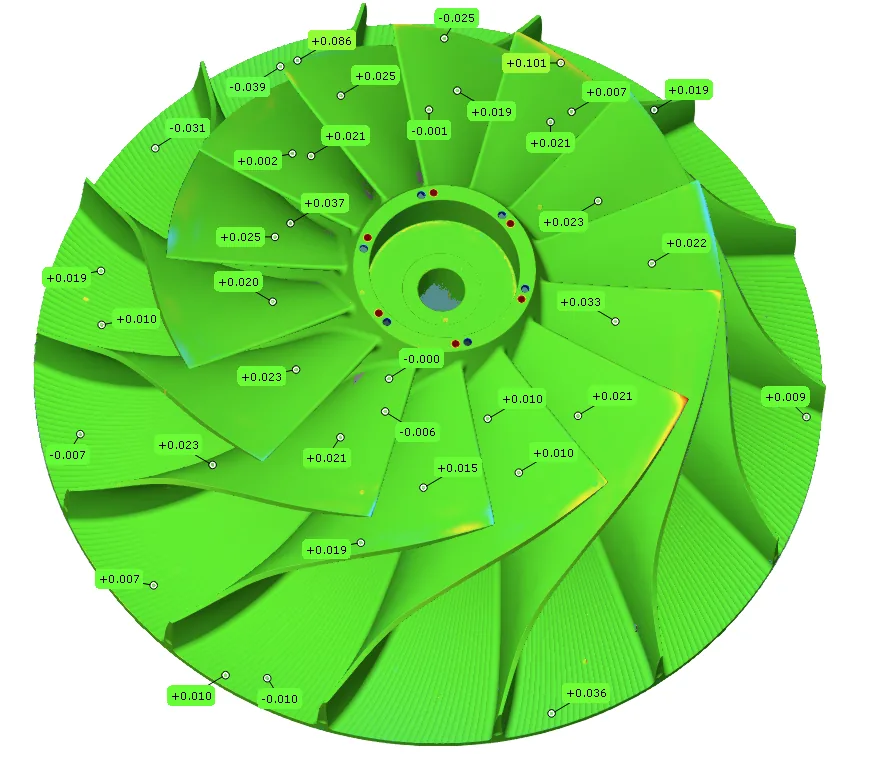
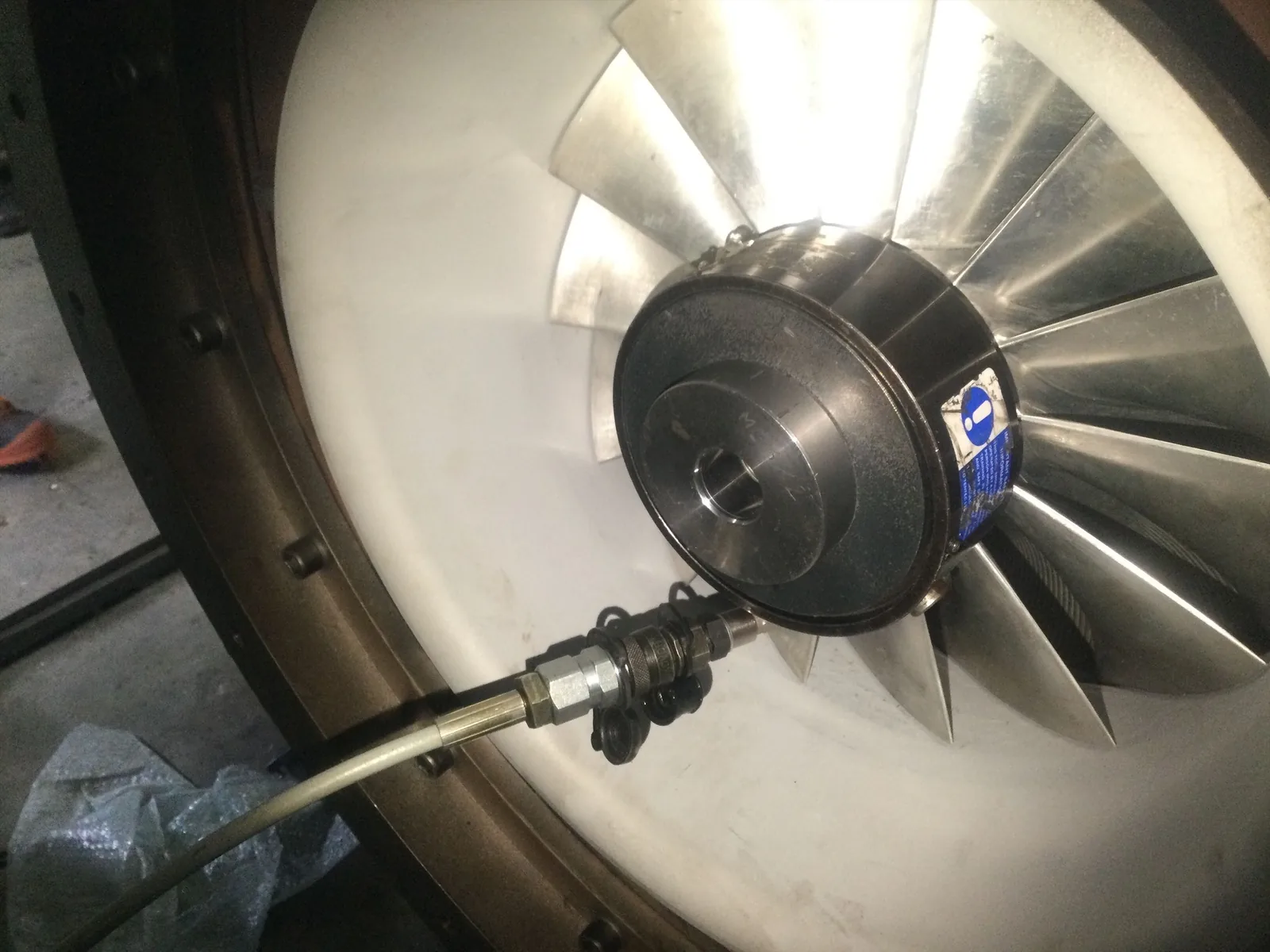
Due to the lack of technical documentation and original drawings, Energetic Machinery applied advanced reverse engineering techniques to redesign and manufacture critical components. The process included:
- CFD-based impeller design and performance simulation
- 3D modelling and CAD engineering
- CAM-based manufacturing using high-precision machining
- Material selection and thermal treatment for durability A completely new impeller and high-speed pinion were manufactured, with improved design parameters to enhance performance and reliability. This approach enabled the creation of OEM-alternative spare parts with optimized performance characteristics.
Bearing Repair & Rotor Reconditioning
Restoring Stability and Reliability
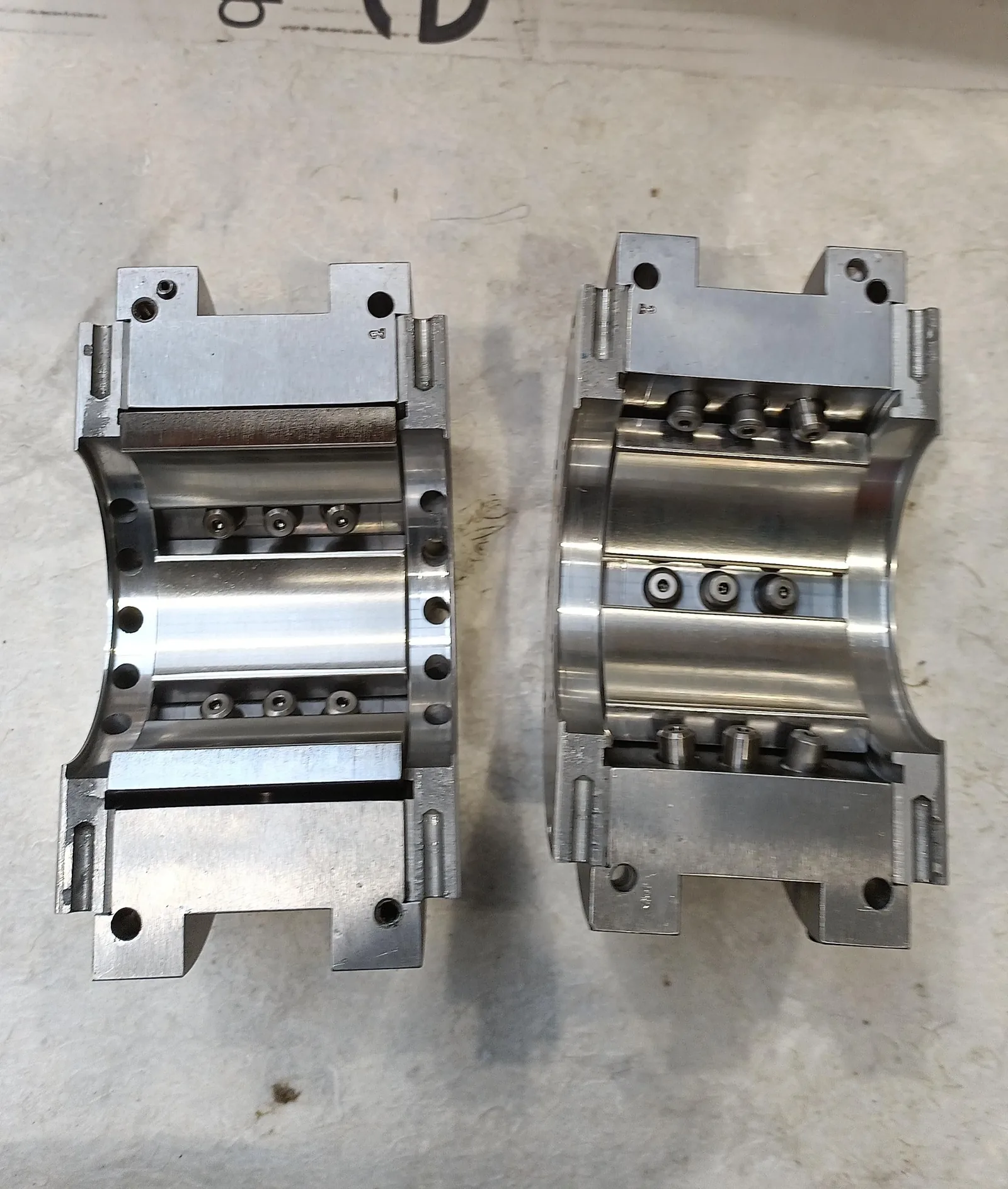
The overhaul included extensive babbitt bearing refurbishment and rotor repair and reconditioning. Key activities:
- Manufacturing of new high-speed rotor bearings
- Repair of reusable gearbox bearings
- Bearing load calculations and simulation
- Production of tilting pad bearings for improved stability Additionally, damaged oil labyrinth seals were re-manufactured to restore proper sealing and lubrication. These steps are essential to ensure proper operation of hydrodynamic bearings and to reduce vibration in high-speed turbomachinery.
Assembly, Balancing & Quality Control
Precision Engineering for High-Speed Operation
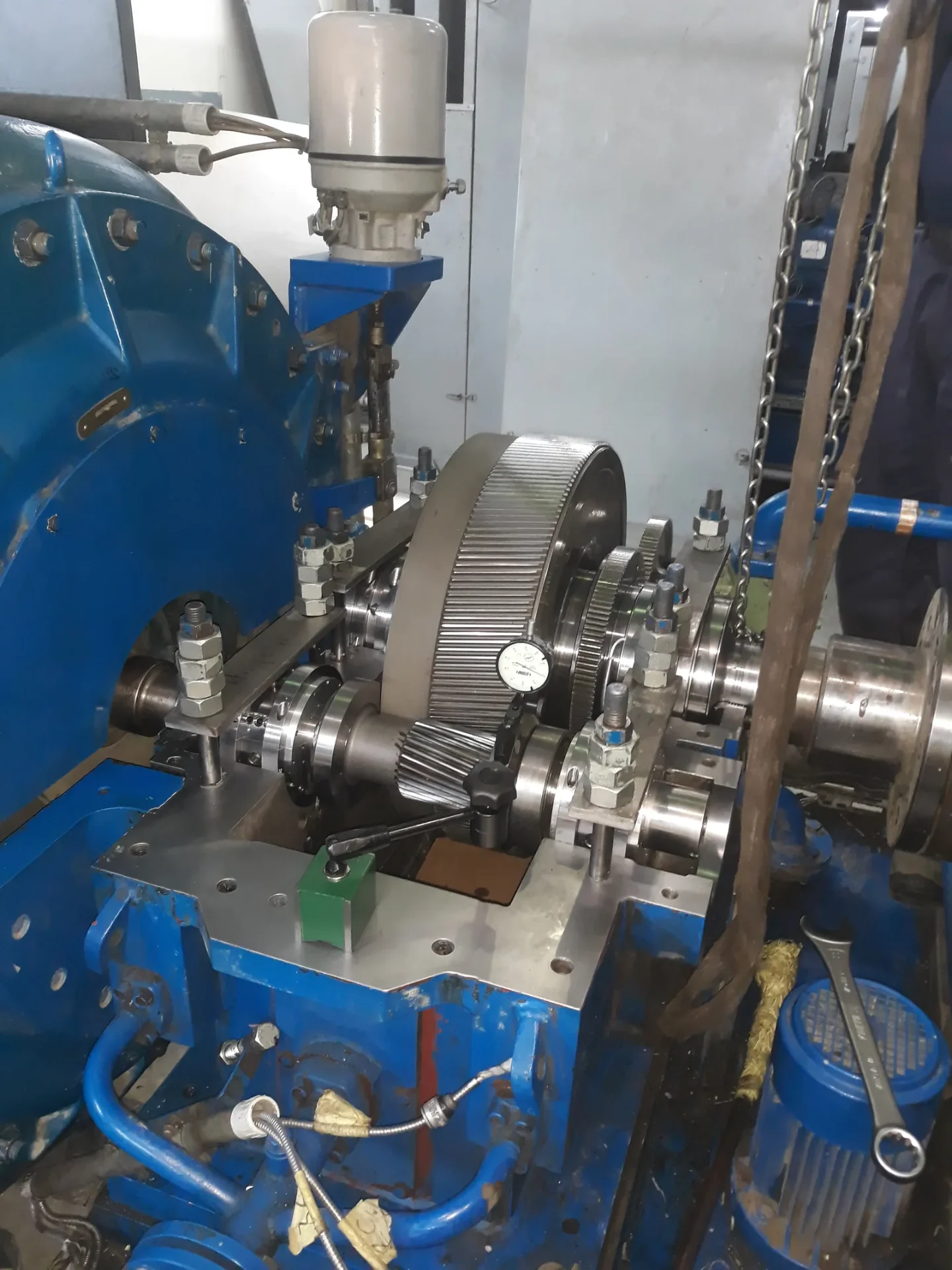
After manufacturing, all components were assembled and tested under strict quality control procedures. Key processes:
- Incremental dynamic balancing of rotor and impeller
- Overspeed testing (+10% operational speed)
- Non-destructive testing (NDT) and quality validation
- Precision assembly and clearance adjustment The use of advanced tools and simulation ensured that all components met required tolerances and performance standards.
Results: Improved Performance & Long-Term Reliability
From Failure to Stable Operation
After installation and commissioning, the blower returned to operation with significantly improved reliability. The system has been running successfully for over a year without issues. Key results:
- Elimination of recurring failures
- Improved efficiency and operational stability
- Extended lifecycle of critical components
- Availability of spare parts through reverse engineering Additionally, complete 3D models and production drawings were created to support future maintenance and reduce dependency on OEM suppliers.
FAQ: Industrial Blower & Compressor Overhaul
What causes turbo blower or compressor failure?
Common causes include design flaws, vibration, bearing wear, imbalance, and material fatigue. Early diagnostics help prevent major damage.
What is included in a blower or compressor overhaul?
A typical compressor overhaul includes inspection, disassembly, root cause analysis, repair or replacement of components, reassembly, and performance testing.
Can damaged blower components be replaced without OEM support?
Yes, reverse engineering spare parts allows obsolete or unavailable components to be reproduced as high-quality OEM alternatives.
How are impellers manufactured or repaired?
Impellers are designed using CFD simulations, manufactured with CNC machining, and tested for balance and performance.
Can blower repairs extend equipment life?
Yes, industrial blower repair and bearing refurbishment can significantly extend lifecycle and improve reliability.
Conclusion: Advanced Engineering for Turbo Blower Reliability
This case study demonstrates how combining compressor overhaul, reverse engineering, and precision engineering can restore critical industrial rotating equipment. Energetic Machinery's expertise in industrial blower repair, bearing solutions, and spare parts manufacturing ensures reliable, cost-effective solutions for complex turbomachinery challenges.