Reviving a 1958 Main Air Compressor
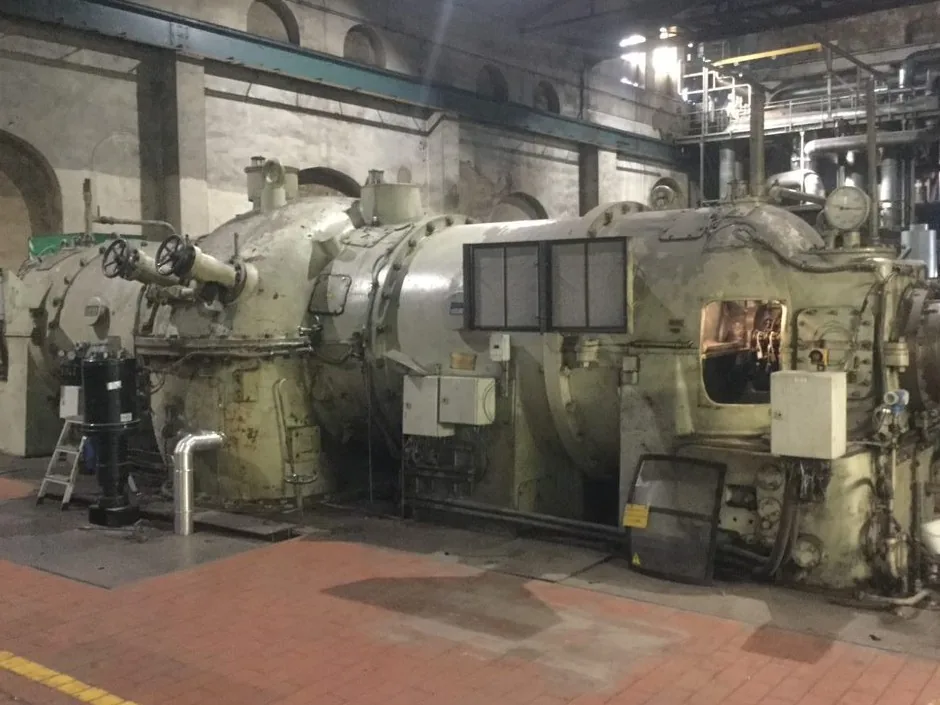
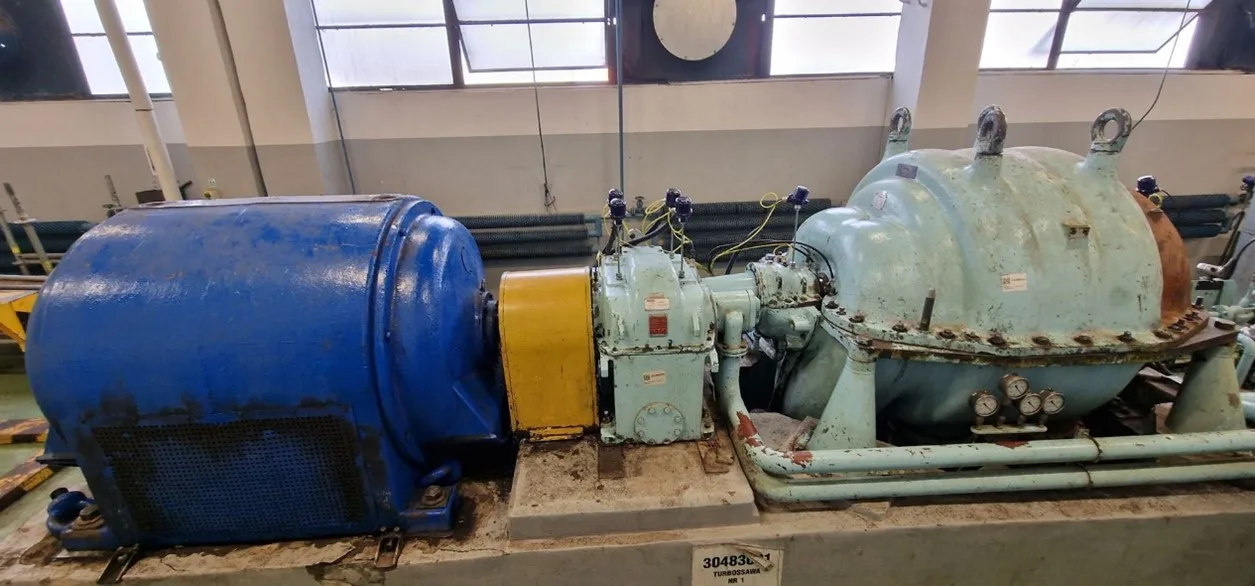
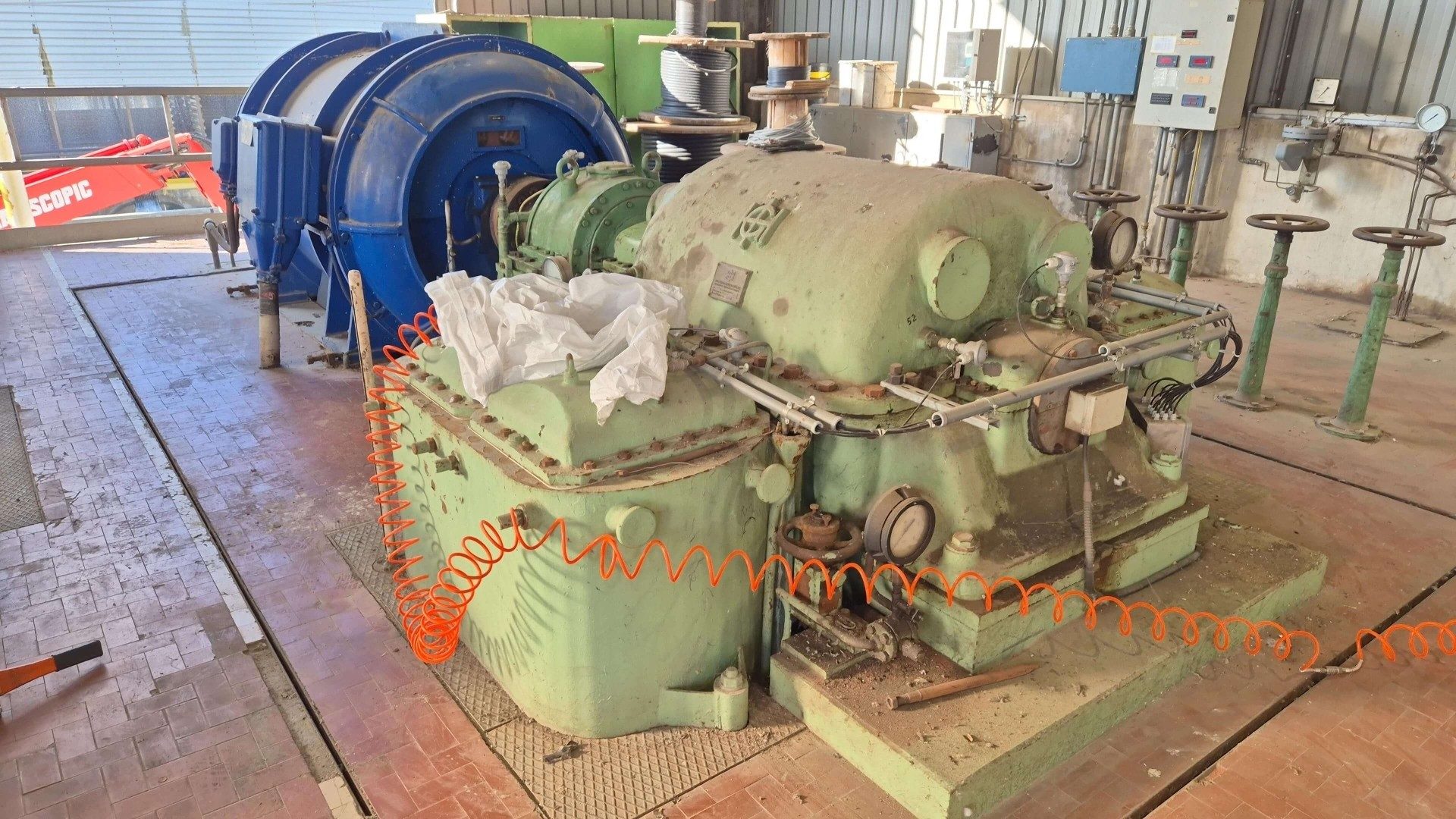
Energetic Machinery was tasked with the complete industrial compressor overhaul of a GHH Borsig main air compressor, originally commissioned in 1958. This critical piece of industrial rotating equipment had been in service for decades and required a full restoration to maintain operational reliability.
Due to the age of the compressor, many components were obsolete, and OEM support was limited. This made reverse engineering spare parts and advanced compressor repair techniques essential for the success of the project.
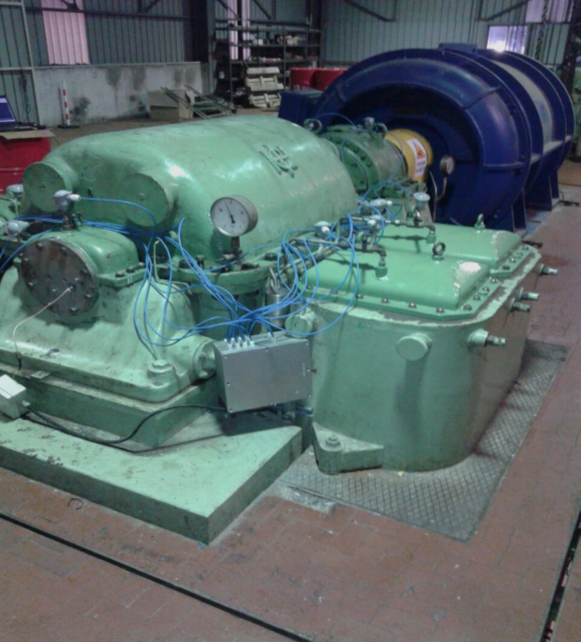
Initial Inspection & Condition Assessment
Identifying Wear and Structural Damage
The project began with a comprehensive compressor inspection and condition assessment. The unit was fully dismantled, allowing detailed evaluation of all critical components.
Key findings included:
- Significant wear on rotor components and shaft surfaces
- Damaged seals and worn bearing housings
- Corrosion and aging effects on internal parts
- Reduced efficiency due to long-term operation
These issues are typical in aging industrial compressors, where prolonged use and outdated designs lead to performance degradation.
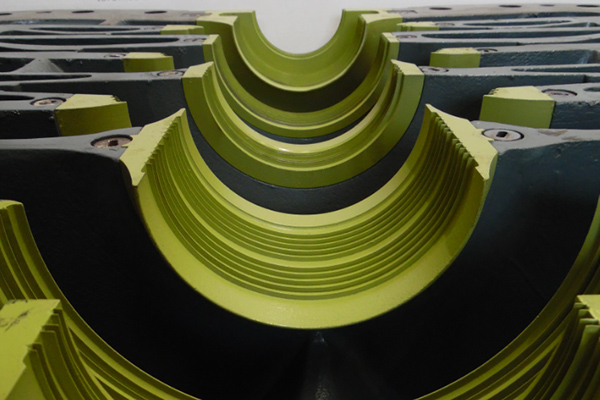
Reverse Engineering & Spare Parts Manufacturing
Reproducing Obsolete Components
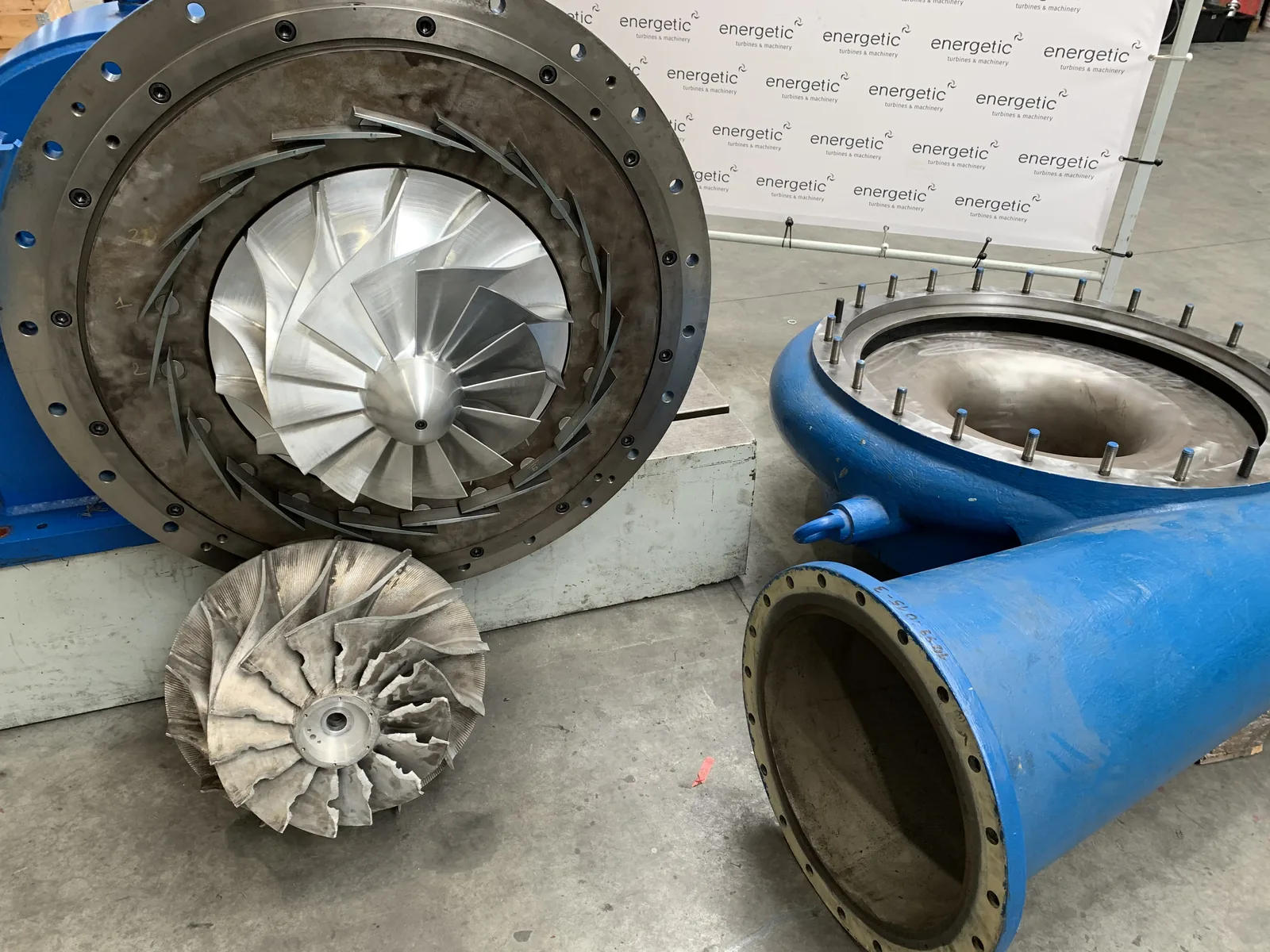
Because original drawings and spare parts were no longer available, Energetic Machinery applied advanced reverse engineering techniques to recreate critical components.
The process included:
- 3D scanning and dimensional analysis
- CAD modelling and technical drawings
- Material identification and optimization
- CNC machining and precision manufacturing
New components were produced for:
- Sealing systems and labyrinth seals
- Bearings and structural elements
- Compressor internals requiring replacement
These OEM-alternative spare parts ensured compatibility with the existing system while improving durability and performance.
Rotor Repair & Bearing Refurbishment
Restoring Mechanical Integrity
The overhaul included extensive rotor repair and reconditioning to restore the compressor's mechanical performance.
Key activities:
- Shaft repair and machining
- Dynamic balancing for high-speed stability
- Alignment correction and tolerance verification
In addition, babbitt bearing repair and white metal bearing refurbishment were carried out to restore proper load distribution and lubrication.
These steps are essential for ensuring reliability in high-speed rotating equipment and preventing vibration-related failures.
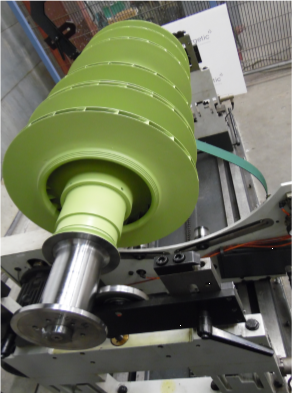
Compressor Overhaul & Reassembly
Precision Engineering for Long-Term Performance
After manufacturing and repair, the compressor was reassembled using strict quality control procedures. Each component was inspected and validated before installation.
Key processes:
- Precision fitting and alignment
- Clearance checks for seals and rotating parts
- Verification of lubrication systems
- Final inspection and testing
This structured approach ensured that the compressor overhaul met modern performance standards while preserving the integrity of the original design.
Results: Extended Lifecycle and Improved Reliability
From Obsolete Equipment to Reliable Asset
Following the overhaul, the GHH Borsig compressor was successfully returned to operation with significantly improved performance.
Key outcomes:
- Extended lifecycle of legacy equipment
- Improved efficiency and operational stability
- Reduced risk of failure and downtime
- Availability of spare parts for future maintenance
This case demonstrates how industrial compressor repair, combined with reverse engineering, can give new life to aging machinery.
The Value of Reverse Engineering for Legacy Equipment
Maintaining Performance Without OEM Dependency
For older machines, reverse engineering spare parts is often the only viable solution to maintain operation. By reproducing and improving components, operators can avoid costly replacements and maintain production continuity.
Benefits include:
- Reduced dependency on OEM suppliers
- Faster lead times for critical components
- Improved design using modern materials
- Cost-effective lifecycle management
This approach is particularly valuable for industries relying on legacy rotating equipment.
FAQ: Industrial Compressor Overhaul & Repair
Can old compressors be repaired instead of replaced?
Yes, industrial compressor overhaul and reverse engineering allow even decades-old machines to be restored and optimized.
What is included in a compressor overhaul?
A full compressor overhaul includes inspection, disassembly, root cause analysis, repair or replacement of components, reassembly, and testing.
What are the benefits of reverse engineering spare parts?
Benefits include reduced lead times, lower costs, and the ability to replace obsolete components with improved designs.
How are compressor rotors repaired?
Rotor repair involves machining, balancing, alignment correction, and inspection to restore mechanical integrity.
Can bearing damage be repaired?
Yes, babbitt bearing repair and refurbishment restore bearing performance and extend equipment life.
Conclusion: Restoring Legacy Compressors with Modern Engineering
This case study highlights how combining compressor overhaul, reverse engineering, and precision engineering can transform aging equipment into reliable assets. Energetic Machinery's expertise in industrial compressor service ensures long-term performance, reduced downtime, and cost-effective solutions for critical rotating equipment.