Vacuum Blower Failure in Paper Mill Operations
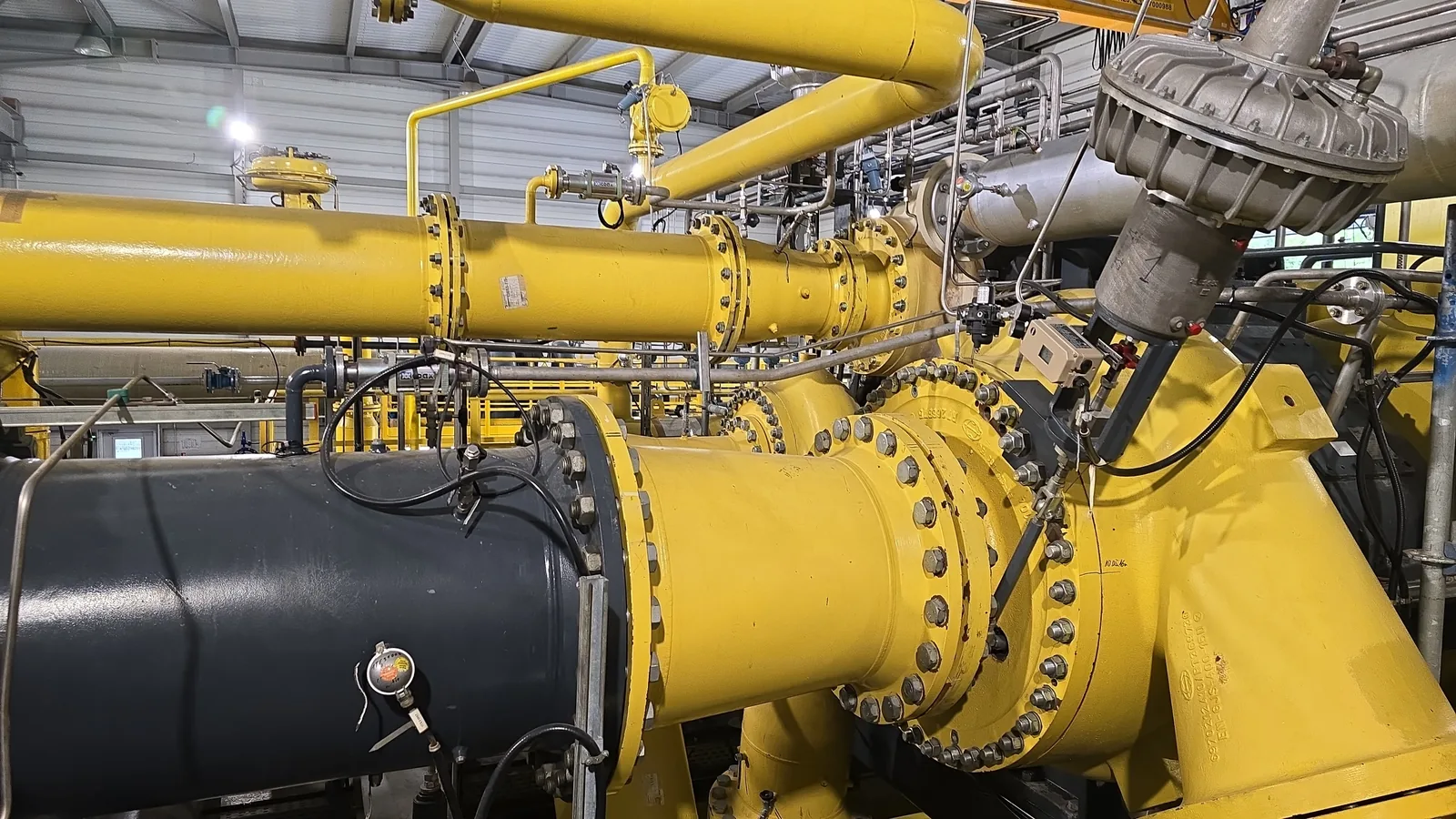
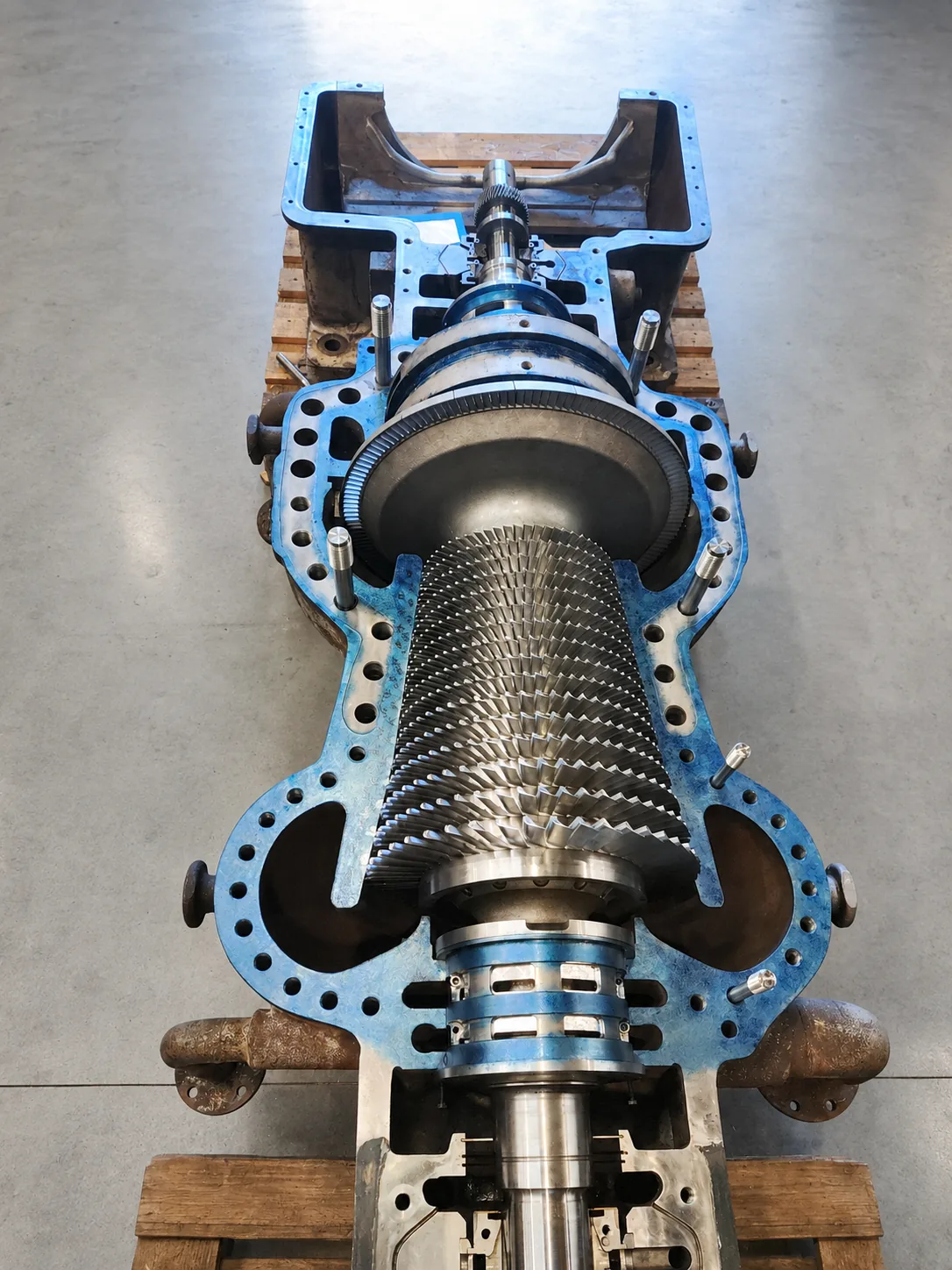
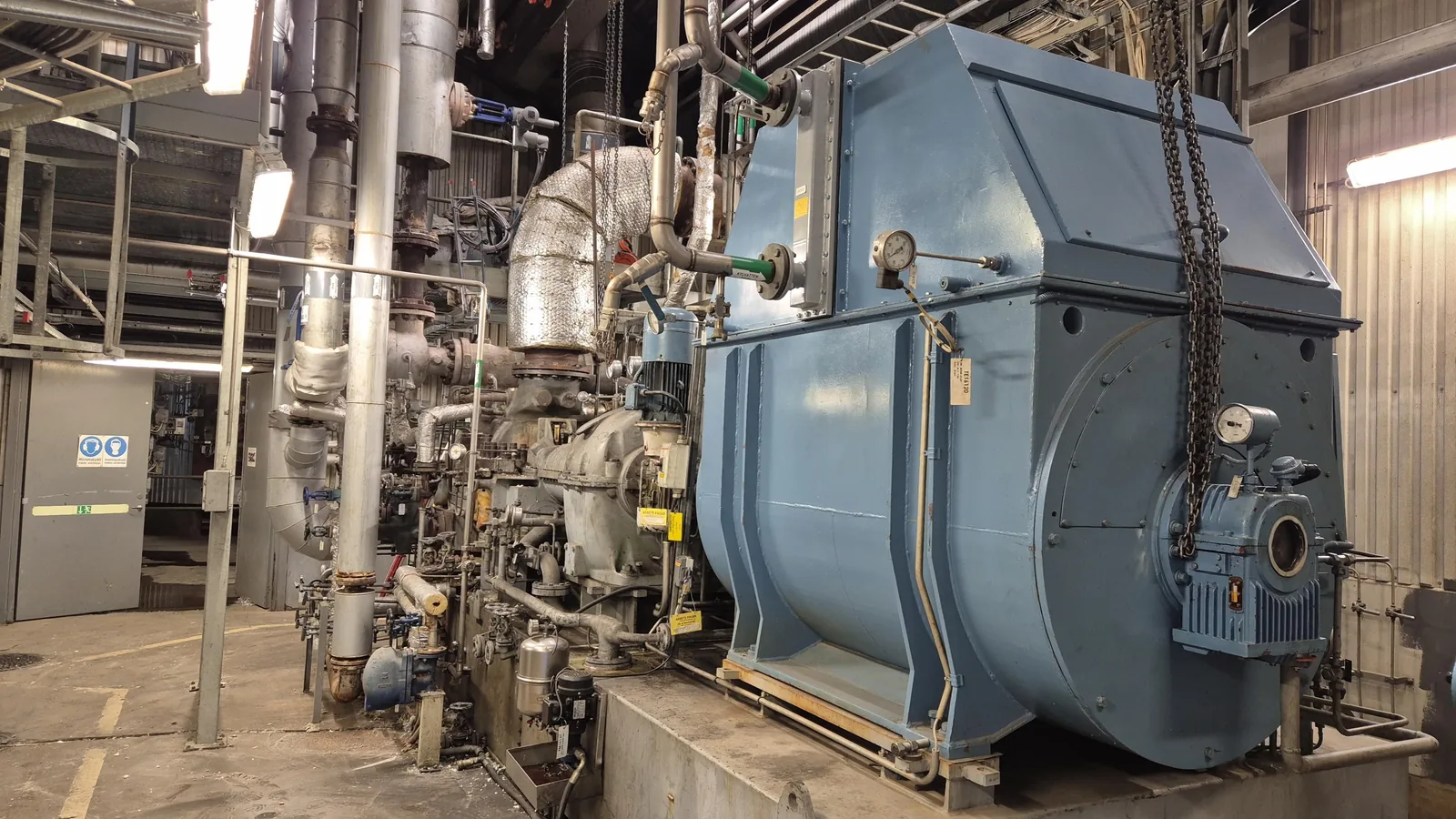
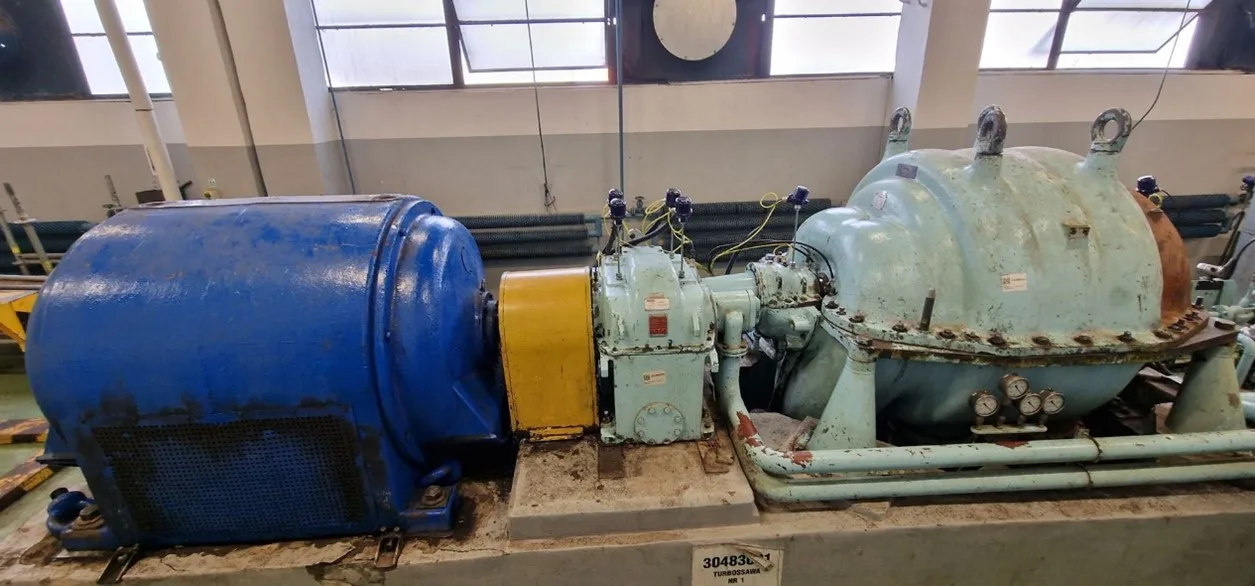
Energetic Machinery was engaged to perform advanced industrial blower troubleshooting on a Sulzer 2RC-4A-4N-67 vacuum blower, used in a pulp & paper plant for vacuum dewatering processes. The system was experiencing recurring shutdowns due to excessive vibration, significantly reducing production capacity and efficiency. This case highlights the importance of industrial rotating equipment diagnostics, compressor maintenance, and targeted engineering solutions to restore reliability.
Problem Identification: High Vibration & Instability
Diagnosing Industrial Compressor Failure
The vacuum blower operated at high speed (±8000 RPM) and showed frequent trip events caused by elevated vibration levels. Initial analysis revealed that the issue was not isolated but systemic, affecting overall machine stability. Using detailed vibration analysis and spectrum evaluation, the engineering team identified sub-synchronous vibrations, a common issue in high-speed turbomachinery. The root of the problem was traced to the oil whirl phenomenon, a dynamic instability often associated with bearing design and lubrication behavior. This is a well-known cause of industrial compressor failure and can lead to severe damage if not addressed.
Root Cause Analysis & Rotor Dynamic Simulation
Engineering-Based Troubleshooting Approach
To fully understand the issue, Energetic Machinery performed a complete root cause analysis supported by rotor dynamic simulation. The process included:
- Full 3D scanning of the rotor
- Digital modelling and simulation of rotor behavior
- Analysis of bearing stiffness and clearance
- Comparison between measured and simulated vibration data The analysis confirmed that the existing cylindrical bearing design contributed to rotor instability. High instability risk matched real-world trip events, proving that the problem was structural rather than operational.
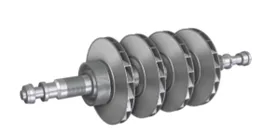 This approach aligns with industry best practices, where rotor dynamics and bearing interaction are key factors in troubleshooting turbomachinery issues.
Engineering Solution: New Bearing Design
Eliminating Vibration Through Bearing Optimization
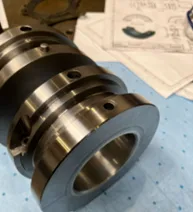
Based on the findings, a new bearing concept was developed to eliminate instability. The solution involved replacing the original cylindrical bearings with lemon profile bearings, which provide improved stability under high-speed conditions. Key improvements:
- Optimized bearing stiffness
- Reduced oil whirl risk
- Improved rotor stability across operating ranges The redesigned bearings were engineered using precise calculations and validated through simulation before implementation. This type of babbitt bearing refurbishment and redesign is a proven method for improving reliability in high-speed rotating equipment.
Rotor Inspection, Repair & Balancing
Ensuring Mechanical Integrity
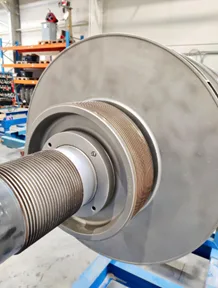
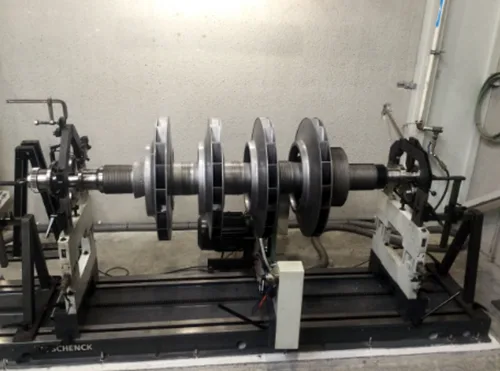
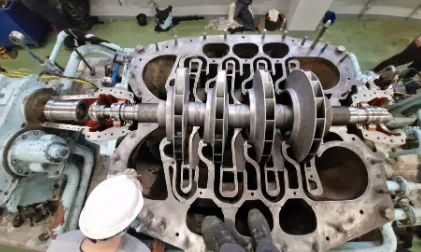
Following the design phase, the rotor underwent a complete rotor inspection and rotor repair and reconditioning process. Key activities included:
- Visual inspection and run-out measurement
- Glass bead cleaning and surface treatment
- Magnetic particle testing (MPT)
- Dynamic balancing according to ISO standards
- Correction of mechanical and electrical run-out These steps ensured that the rotor met strict tolerances required for high-speed operation and minimized the risk of future vibration issues.

Reassembly, Alignment & Start-Up
On-Site Implementation and Validation
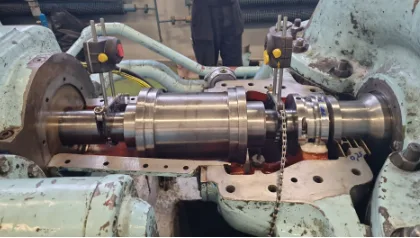
After workshop repairs, the vacuum blower was reassembled on-site. Critical steps included:
- Clearance checks of seals and internal components
- Precision shaft alignment
- Preparation for controlled start-up Proper alignment and installation are essential to prevent recurrence of vibration issues and ensure long-term reliability.
Results: Improved Reliability & Performance
From Instability to Stable Operation
The troubleshooting and repair process successfully resolved the vibration issues. The implementation of the new bearing design resulted in:
- Elimination of instability and trip events
- Improved operational reliability
- Increased production capacity
- Extended lifecycle of the vacuum blower This case demonstrates how advanced industrial compressor service and engineering-driven troubleshooting can transform underperforming equipment into reliable assets.
FAQ: Industrial Blower & Compressor Troubleshooting
What causes high vibration in industrial compressors or blowers?
Common causes include rotor imbalance, bearing instability, misalignment, and lubrication issues such as oil whirl.
What is oil whirl in rotating equipment?
Oil whirl is a dynamic instability caused by fluid-induced forces in bearings, leading to sub-synchronous vibration and potential failure.
How is compressor or blower failure diagnosed?
Diagnosis involves vibration analysis, rotor dynamic simulation, inspection, and root cause analysis.
What is included in industrial troubleshooting services?
Typical services include inspection, diagnostics, simulation, repair, component redesign, and performance optimization.
Can vibration issues be solved without replacing the entire machine?
Yes, targeted solutions such as bearing redesign, rotor balancing, and alignment can effectively resolve issues without full replacement.
Conclusion: Engineering Solutions for Complex Rotating Equipment Issues
This case study highlights the importance of combining advanced diagnostics, rotor dynamics, and bearing engineering in solving complex turbomachinery problems. Energetic Machinery's expertise in industrial compressor repair, babbitt bearing solutions, and reverse engineering ensures reliable, cost-effective outcomes for critical rotating equipment.