Steam Turbine Failure After Reverse Power Event
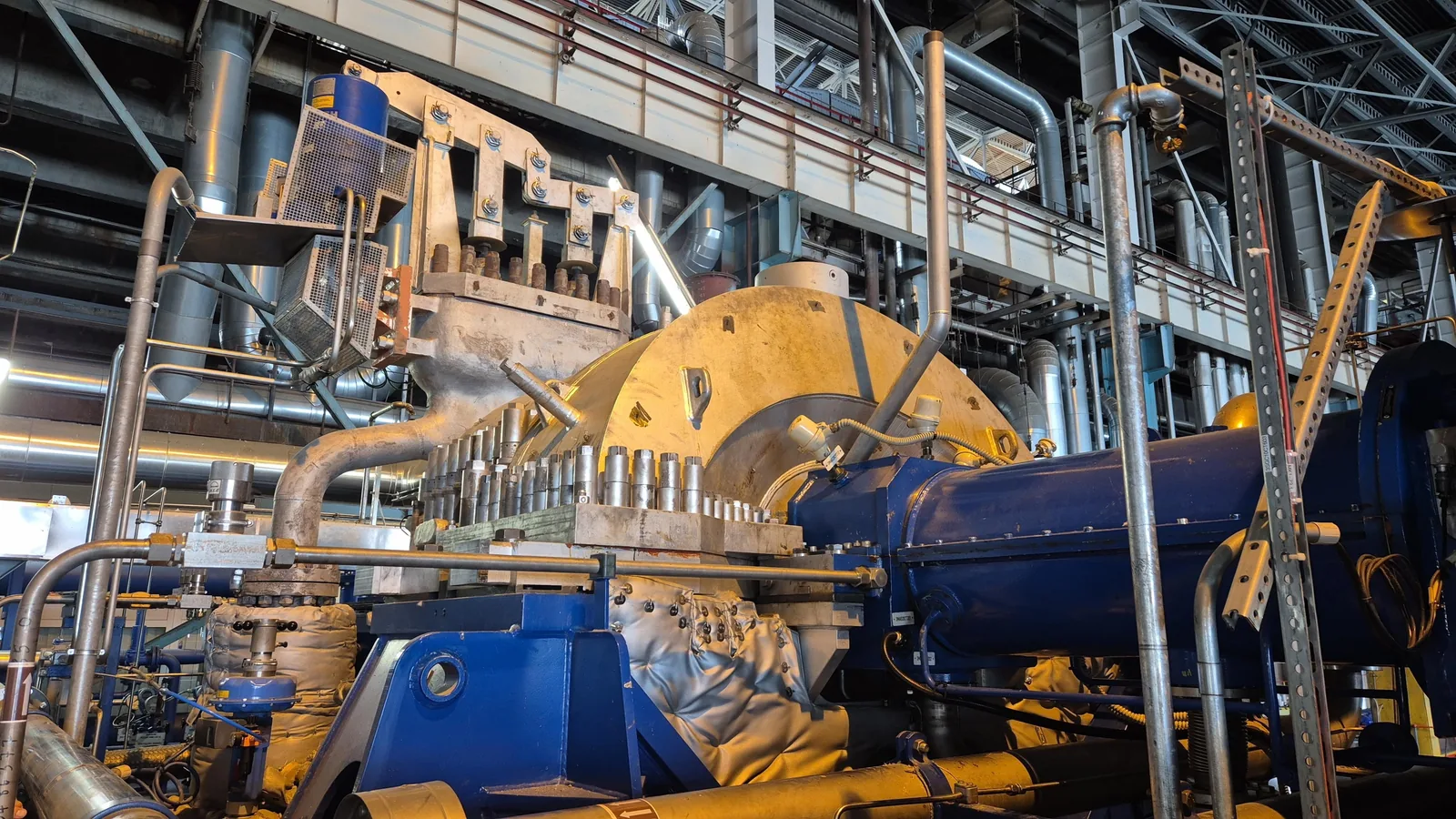
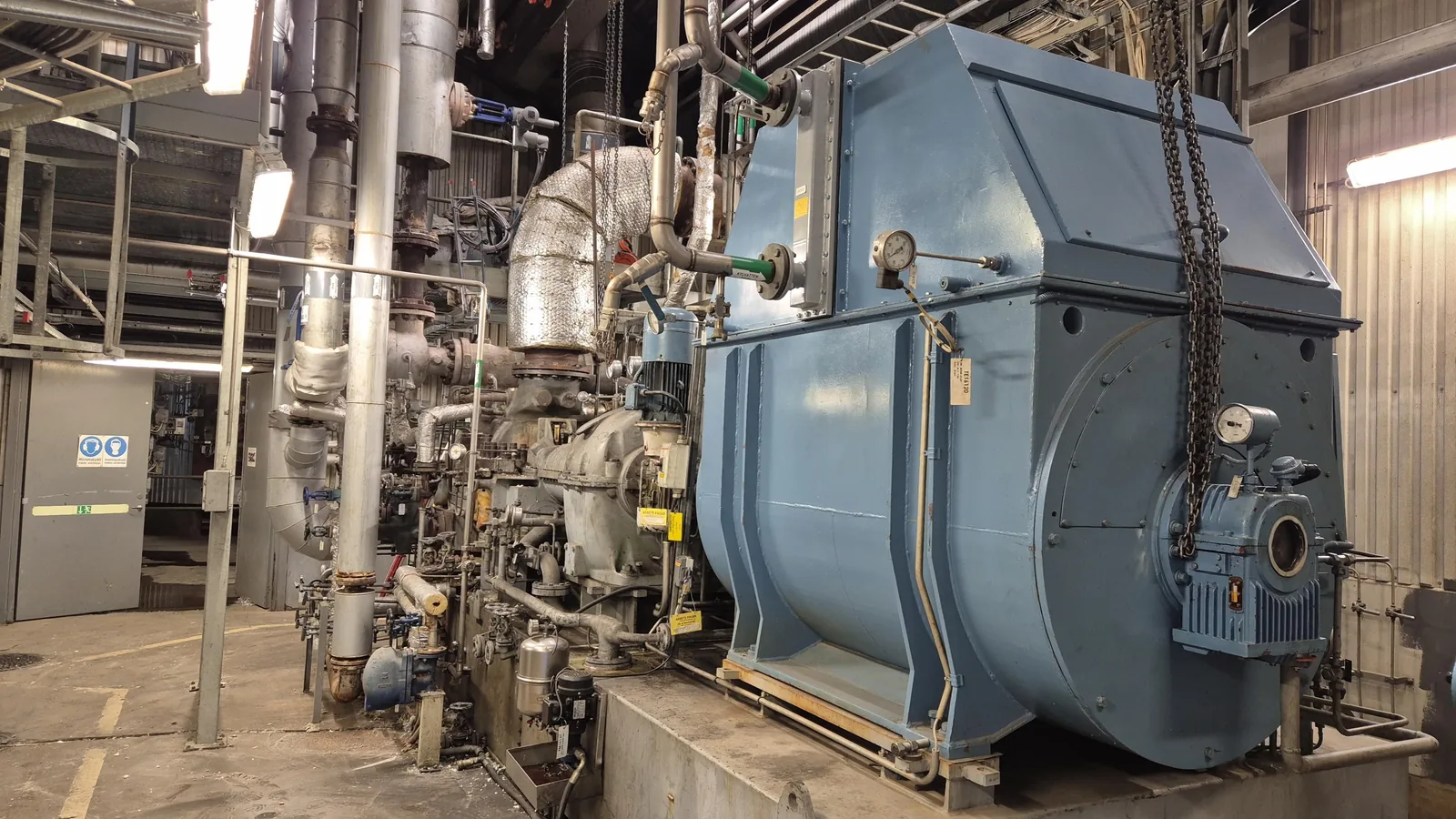
Energetic Machinery was called in to perform an urgent steam turbine inspection and steam turbine overhaul on an ABB AEG Kanis G20 (9.445 MW) unit after a critical failure. Following a power supply issue in the control system, the generator began operating as a motor while the turbine was offline,a phenomenon known as reverse power.
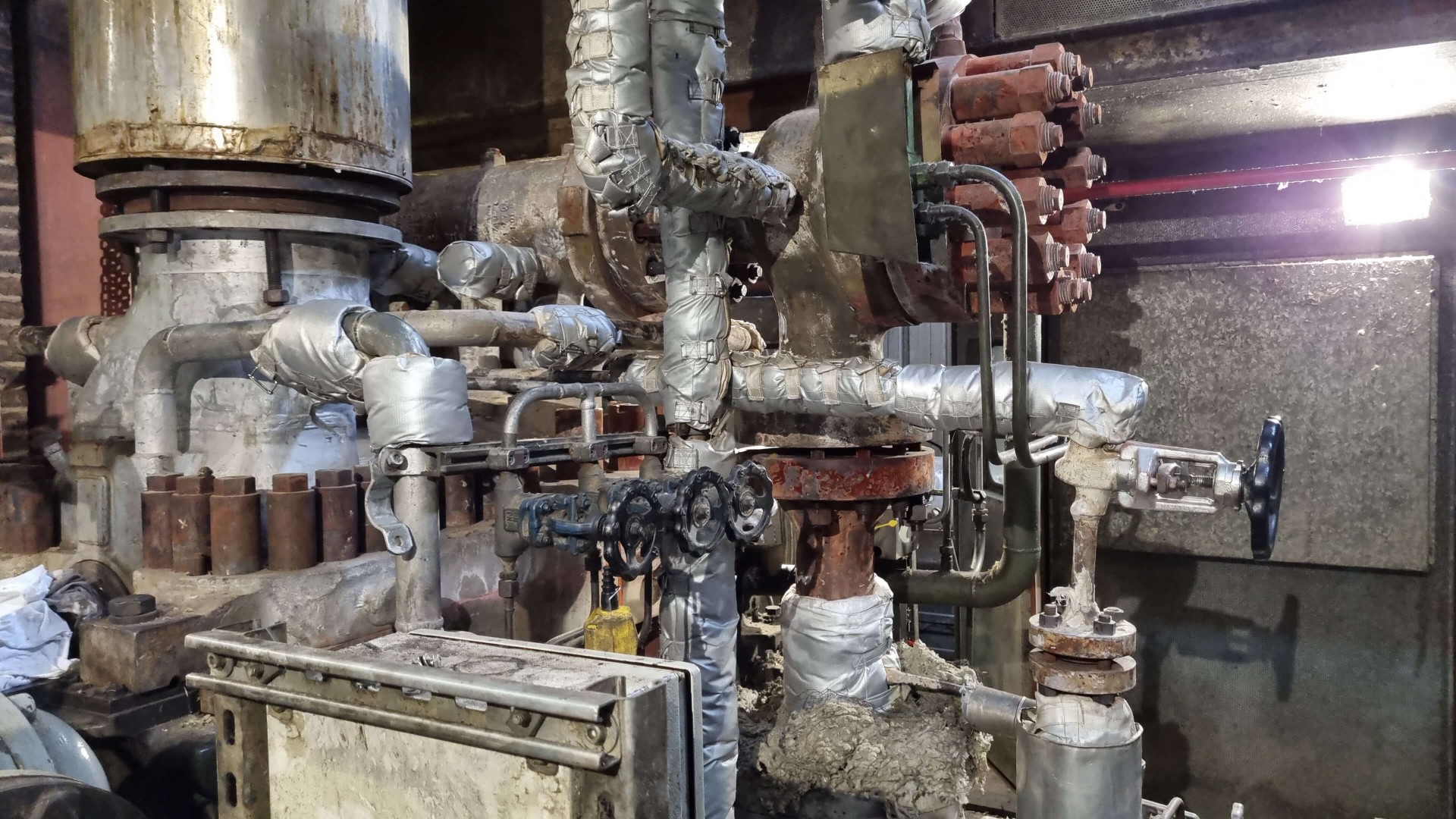
This abnormal condition lasted for several hours and caused severe internal damage to the steam turbine and associated rotating equipment.
This case demonstrates the importance of steam turbine maintenance, rapid diagnostics, and expert turbine repair strategies in preventing long-term operational losses.
Detailed Turbine Inspection & Damage Assessment
Identifying Rotor and Blade Damage
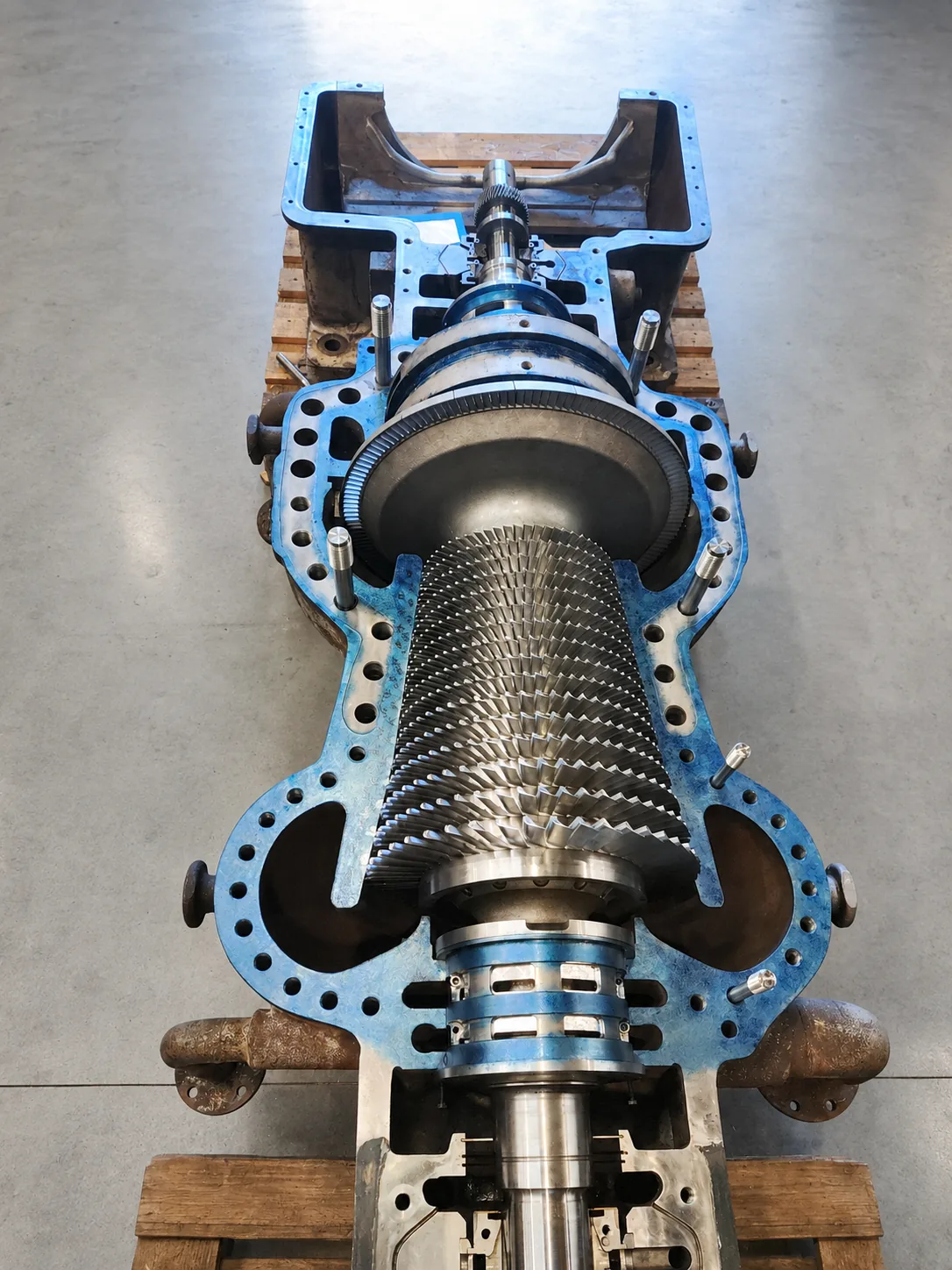
After disassembly, a comprehensive turbine inspection revealed extensive damage across critical components. The most severe issues were found in the rotor and blade carriers.
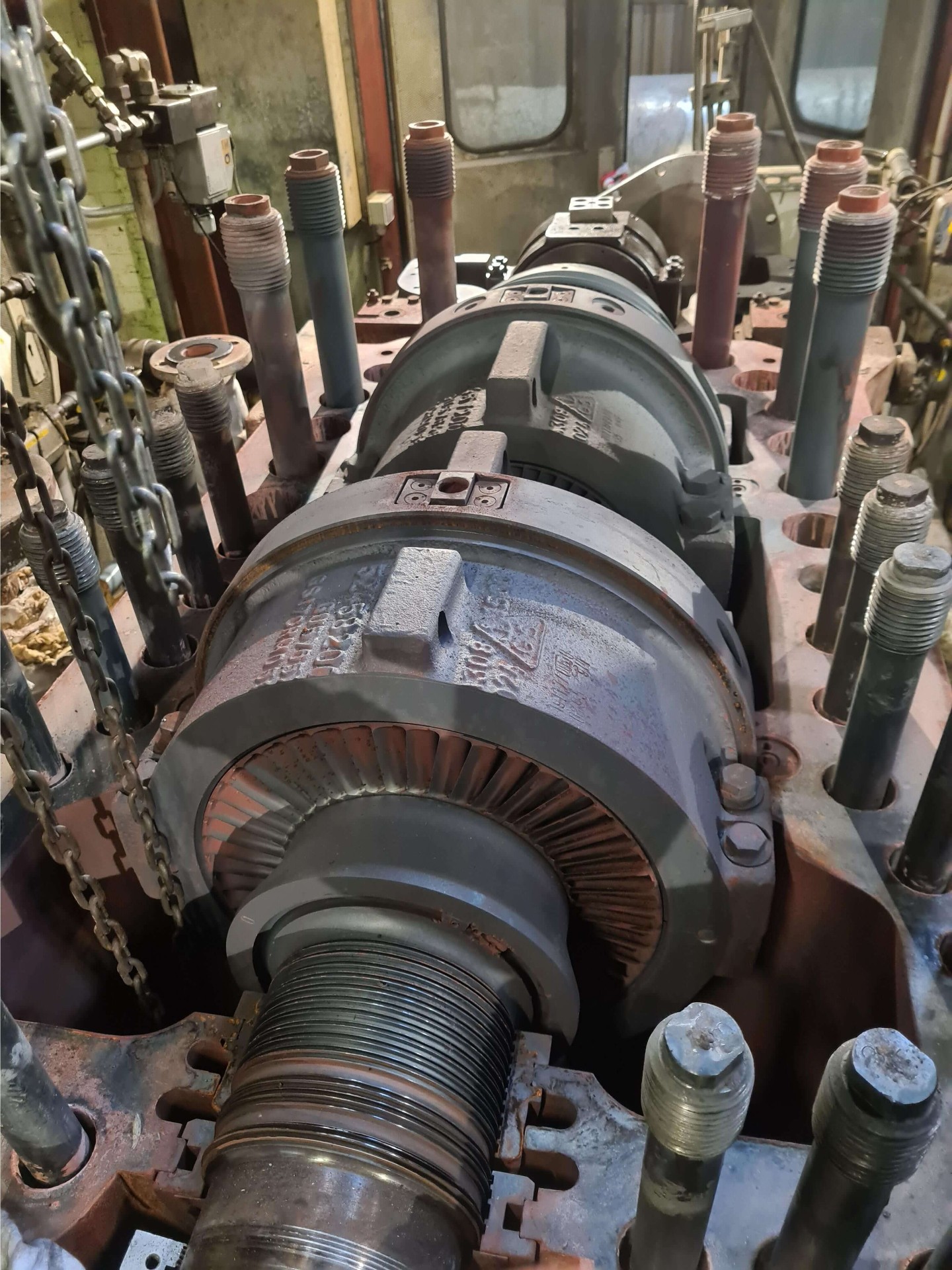
Key findings included:
-
Multiple rotor blades displaced or broken
-
Blades from the second carrier completely detached
-
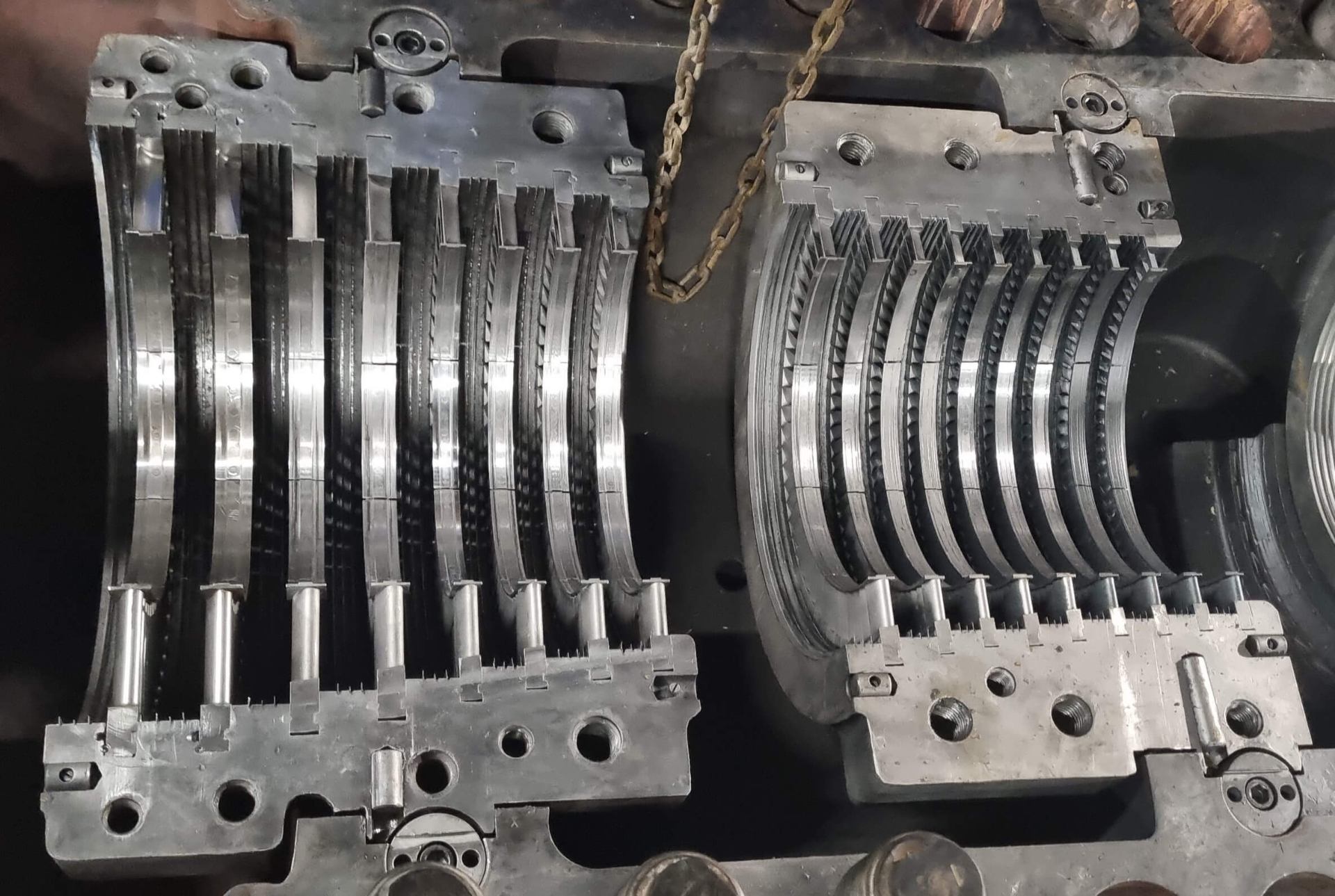
Severe wear on seal strips and blade carriers
-
Damage in multiple blade rows across the turbine
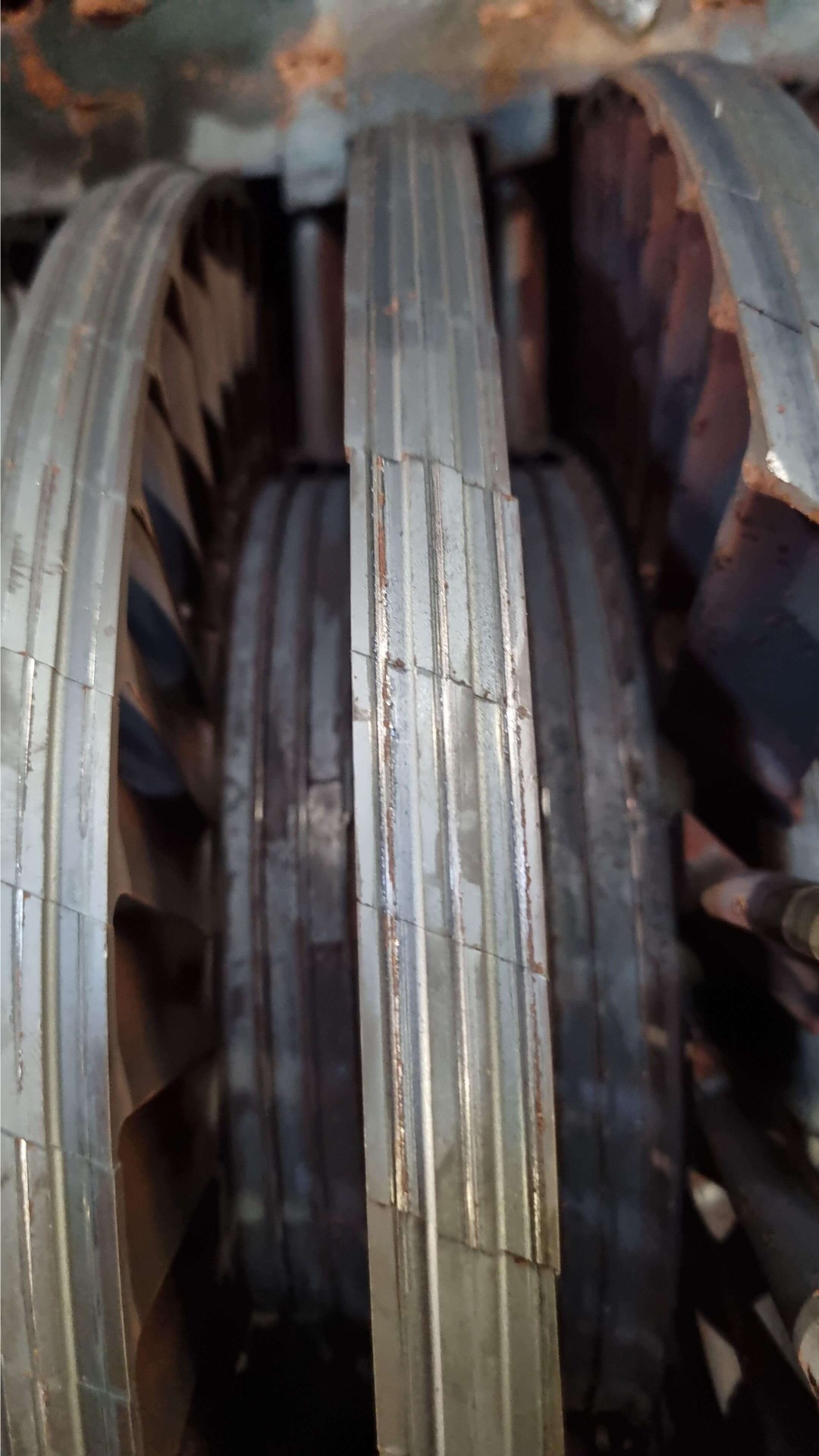
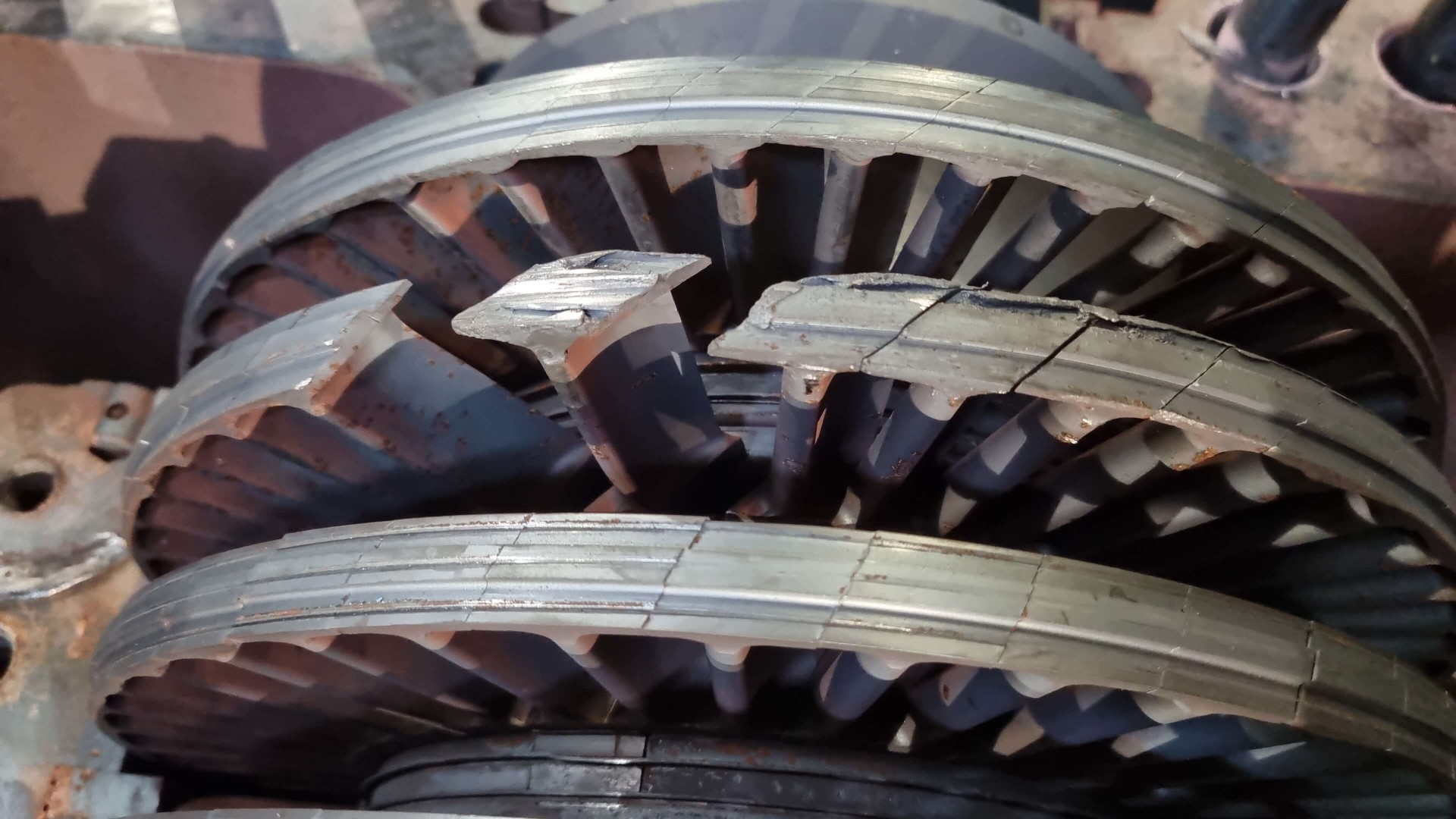
These types of failures are often linked to abnormal operating conditions such as reverse power, which can cause extreme mechanical stress and imbalance in high-speed rotating equipment.
Root Cause Analysis & Material Investigation
Evaluating Thermal and Mechanical Degradation
A detailed root cause analysis was conducted to assess the condition of the damaged components. Using replica metallurgical techniques, the team evaluated the microstructure of the turbine blades.
The analysis showed:
-
Signs of thermal degradation
-
No critical material defects or creep damage
This confirmed that the failure was primarily caused by operational conditions rather than material flaws. Understanding these mechanisms is essential for effective steam turbine repair and future reliability improvement.
Steam Turbine Overhaul & Repair Strategy
Full Blade Replacement and Component Restoration
Based on the findings, a full steam turbine overhaul service was required. The repair strategy focused on restoring all damaged components and improving long-term reliability.
Major repair activities included:
-
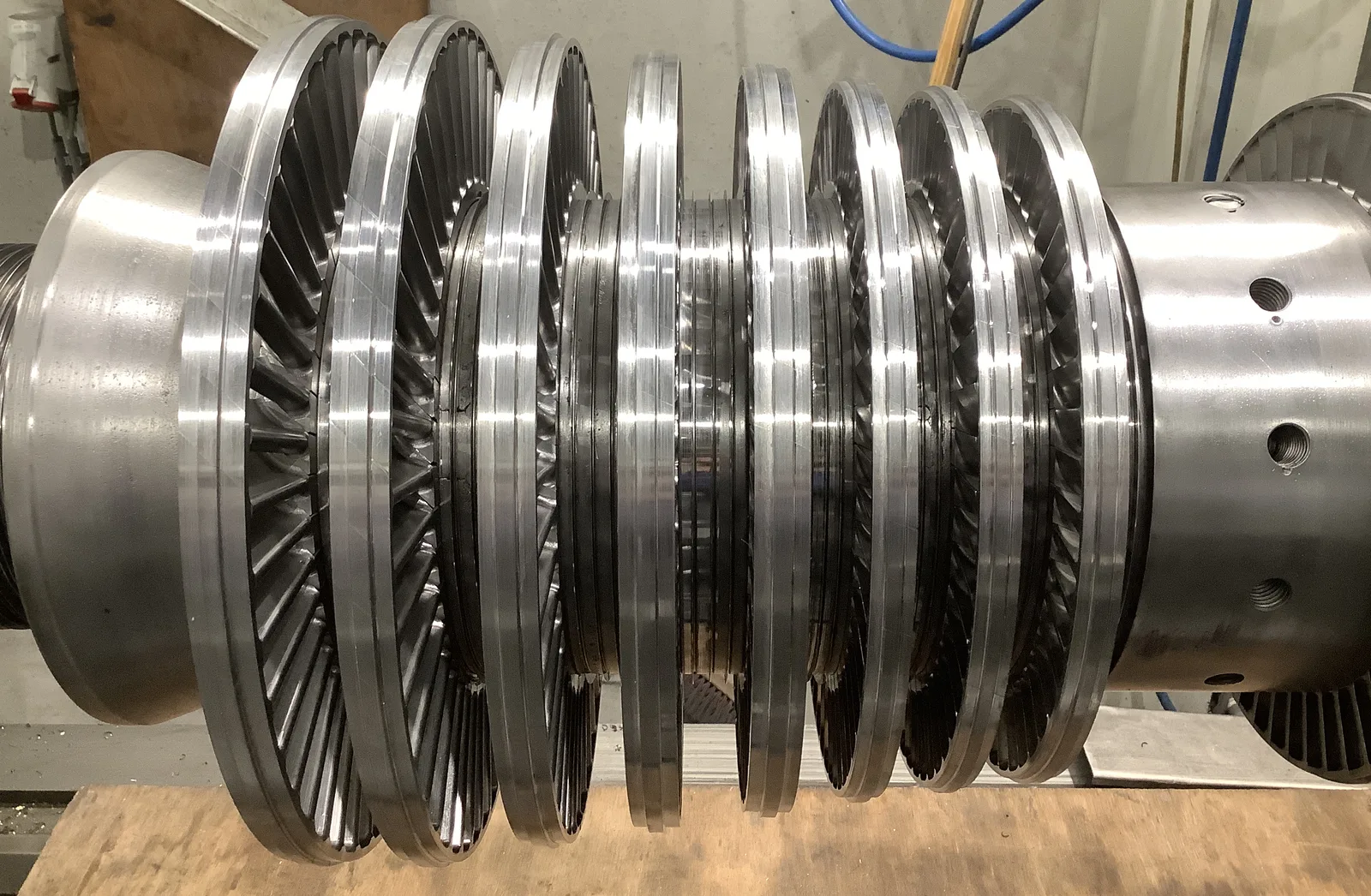
Complete replacement of rotor blades in the affected stages
-
Renewal of stationary blades in multiple rows
-
Replacement of all seal strips on rotor and carriers
-
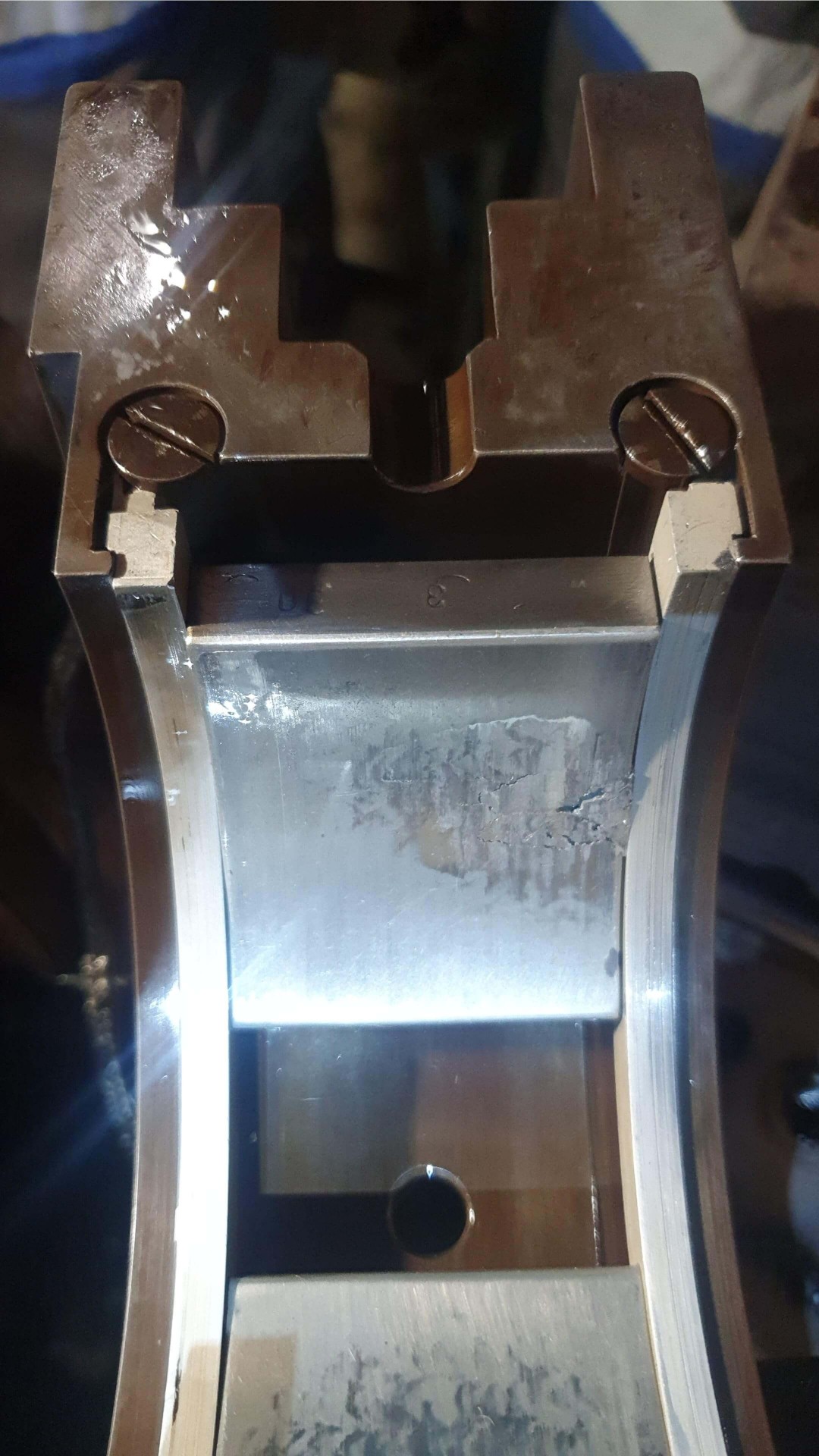
Bearing repair and refurbishment of damaged turbine bearings
-
Restoration of gearbox bearing journals using laser cladding
Additionally, damaged white metal bearings were repaired through babbitt bearing refurbishment, ensuring proper load distribution and lubrication.
Reverse Engineering & Spare Parts Manufacturing
OEM-Alternative Blade and Component Production
Due to the age of the turbine and limited OEM support, Energetic Machinery applied advanced reverse engineering techniques to manufacture new components.
The process included:
-
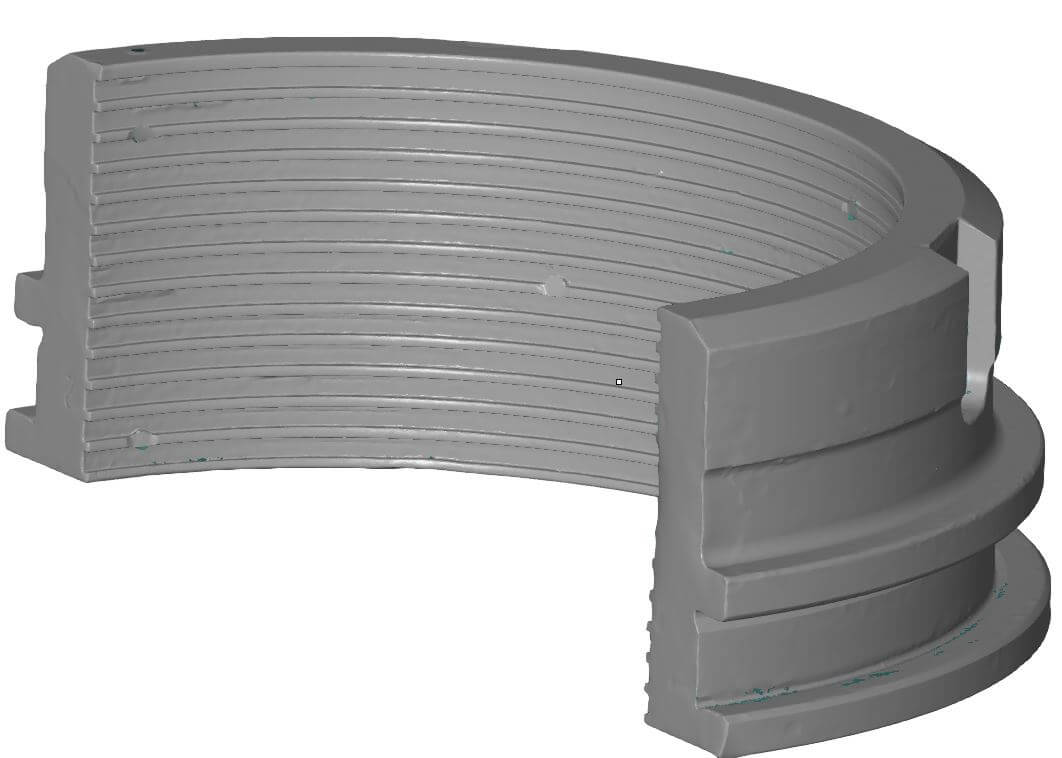
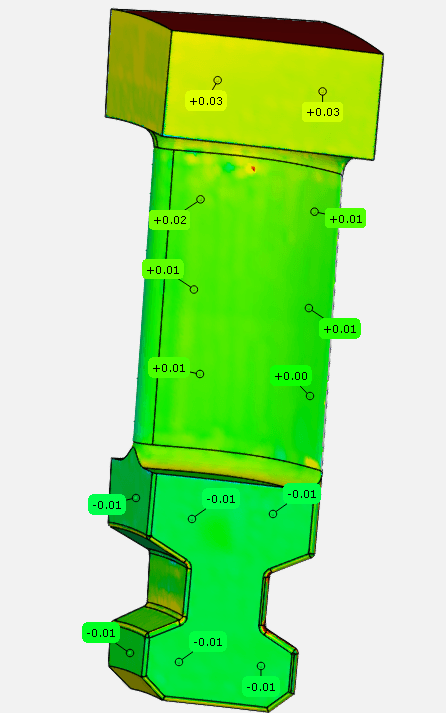
High-precision 3D scanning of rotor blades
-
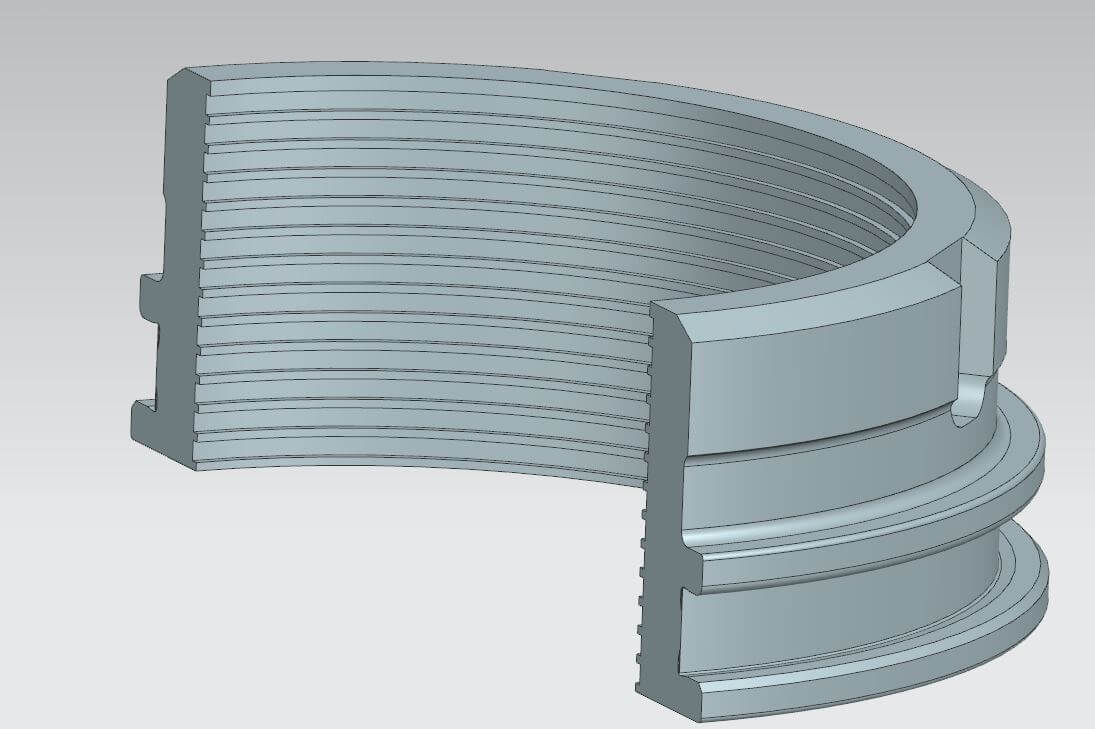
CAD modelling and design optimization
-
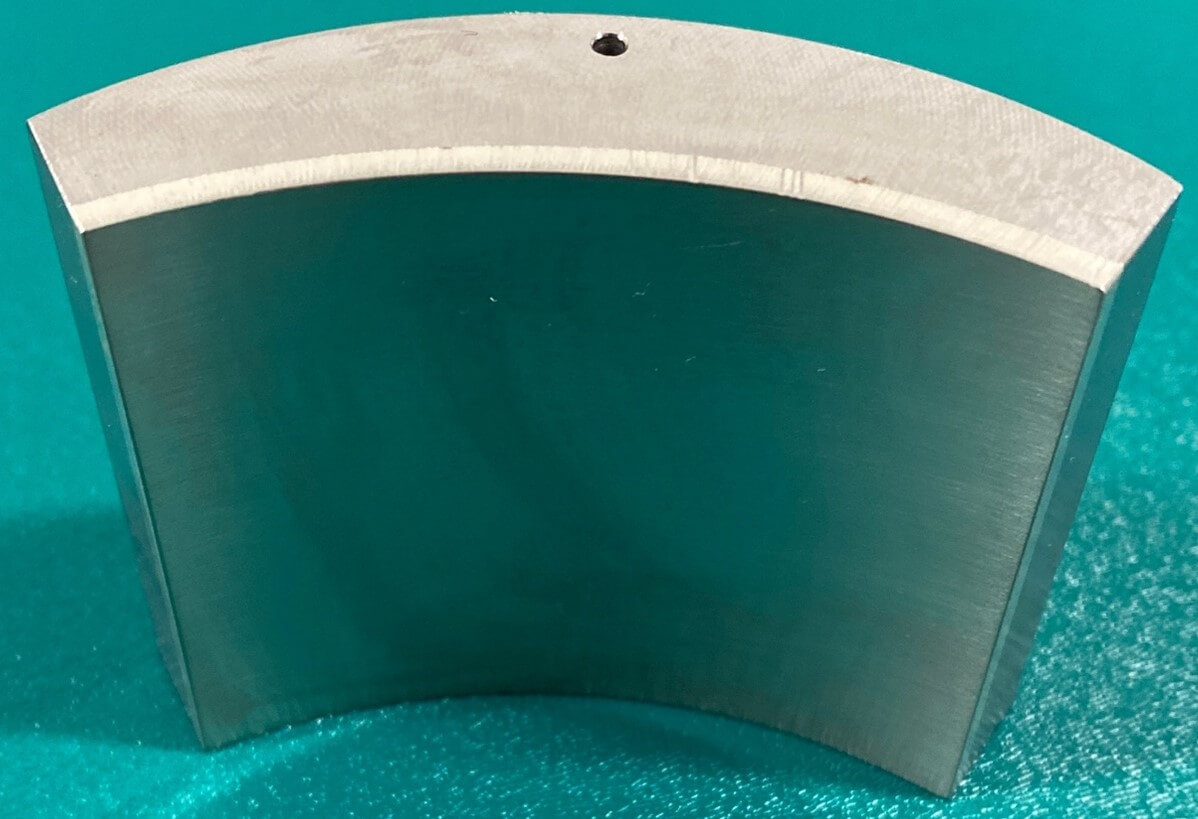
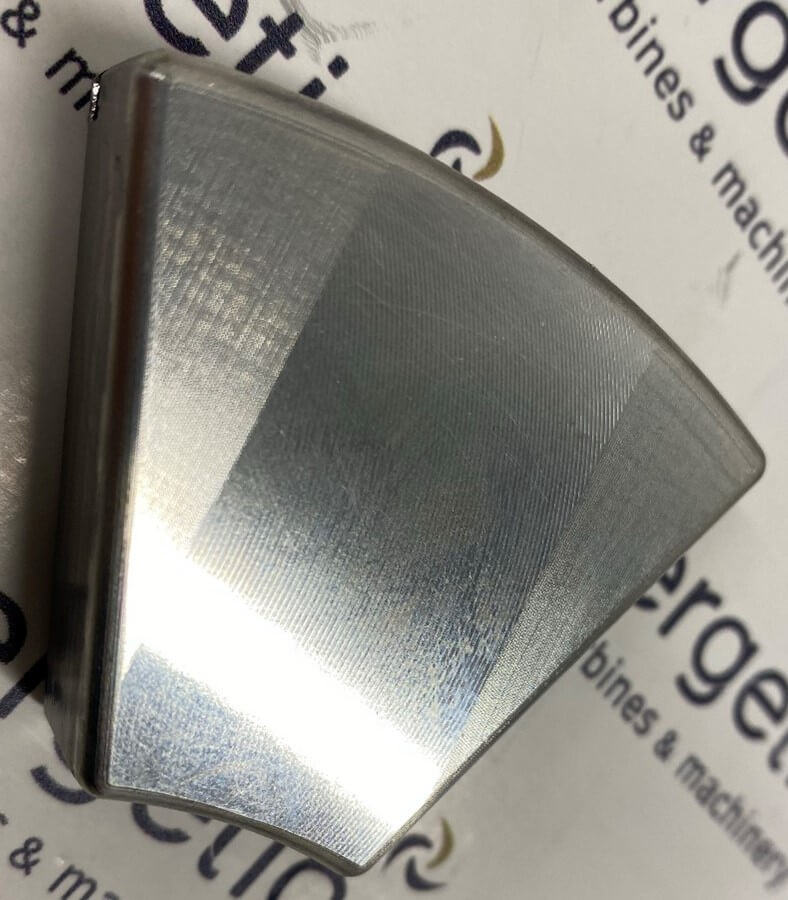
Production of new turbine blades and components
-
3D quality inspection and validation
In addition to blades, critical parts such as steam boxes and oil labyrinth seals were also reproduced using reverse engineering spare parts manufacturing.
This approach enabled:
-
Faster delivery times
-
Improved component performance
-
Reduced dependency on OEM suppliers
Rotor Repair, Bearings & Alignment
Restoring Turbine Reliability
The overhaul also included extensive rotor repair and reconditioning to ensure proper operation under high-speed conditions.
Key activities:
-
Rotor inspection and geometry correction
-
Installation of new sealing systems
-
Repair of gearbox journals and alignment
-
Replacement and refurbishment of journal bearings and thrust bearings
These steps are critical to reduce vibration, improve efficiency, and ensure long-term reliability of industrial rotating equipment.
Results: Improved Performance & Extended Lifecycle
Reliable Operation After Major Overhaul
Following the overhaul, the turbine was successfully returned to service with significantly improved performance and reliability.
Key outcomes:
-
Restored turbine efficiency
-
Reduced vibration and mechanical stress
-
Extended equipment lifecycle
-
Lower risk of future failures
This project highlights the value of combining steam turbine overhaul, reverse engineering, and precision repair techniques for complex turbomachinery challenges.
FAQ: Steam Turbine Maintenance & Overhaul
How often should a steam turbine be serviced?
Regular steam turbine maintenance depends on operating conditions, but periodic inspections and preventive maintenance are essential to avoid major failures.
What are the warning signs that a turbine needs an overhaul?
Indicators include increased vibration, efficiency loss, abnormal noise, and visible wear on blades or seals.
What is included in a steam turbine overhaul?
A typical steam turbine overhaul service includes inspection, disassembly, root cause analysis, repair or replacement of components, reassembly, and performance testing.
Can turbine components be replaced without the OEM?
Yes, reverse engineering spare parts allow obsolete or unavailable components to be reproduced as high-quality OEM alternatives.
Can turbine repairs be performed on-site?
Initial inspections and minor repairs can be done on-site, but major overhauls typically require workshop facilities.
Conclusion: Expert Turbine Repair for Critical Equipment
This case study demonstrates how severe turbine damage caused by reverse power can be effectively resolved through expert steam turbine service, turbine repair, and reverse engineering. Energetic Machinery delivers reliable, cost-effective solutions that restore performance and extend the lifecycle of critical turbomachinery systems.